
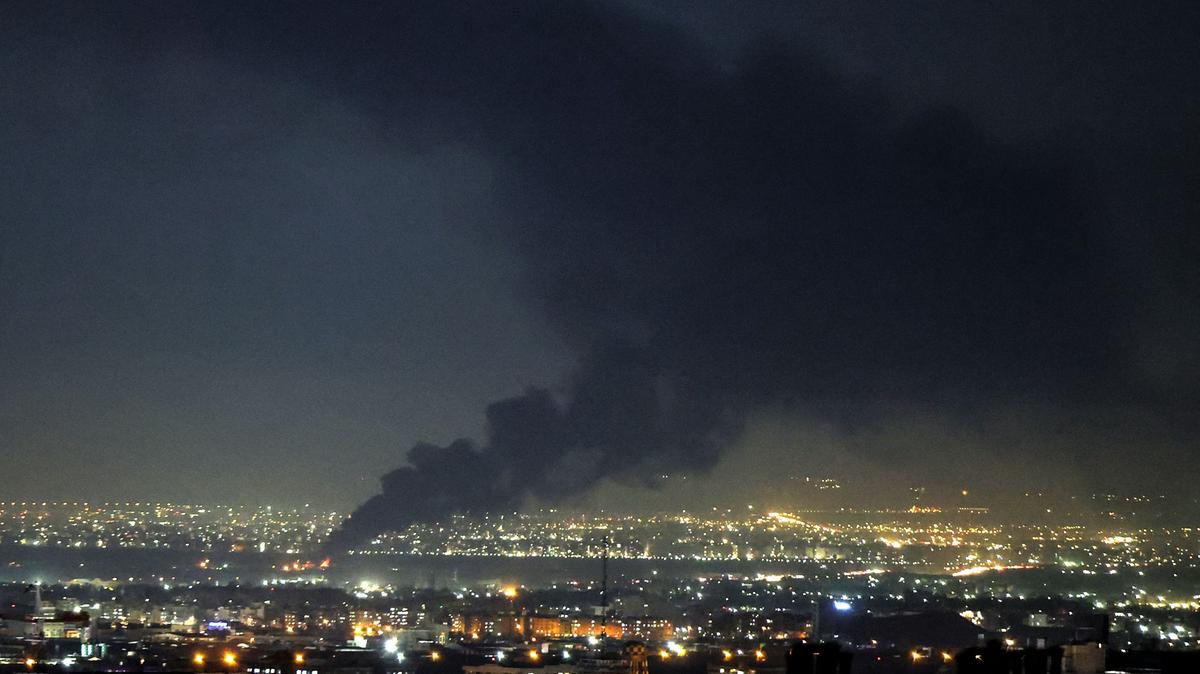
Fragile US-Iran Ceasefire Threatened as Strikes Hit Oil Hubs and Tehran
A tentative two-week ceasefire between the United States, Israel, and Iran is facing immediate instability following a wave of strategic strikes on Iranian oil and industrial infrastructure. The developments underscore the precarious nature of the diplomatic truce and the potential for further escalation in a conflict that has already disrupted global energy markets.

Reports indicate a series of targeted assaults coinciding with the expiration of deadlines set by U.S. President Donald Trump. These include an explosion at an oil refinery on Lavan Island and a US attack on Kharg Island, which serves as a primary hub for Iran’s crude oil exports. Simultaneously, Israel targeted Iran’s largest petrochemical plant as the window for President Trump’s ultimatum closed.
The violence has too reached the capital, where heavy airstrikes in Tehran have left at least 13 people dead. In a separate development, Israel issued a warning against train travel in Iran, a move reportedly linked to the ongoing threats from the Trump administration.
These events follow a conditional ceasefire that took effect on April 7, 2026. However, the agreement has been strained by continued Israeli operations in Lebanon—which US VP JD Vance clarified is not part of the ceasefire—and reports that Iran has once again closed the strait. President Trump has maintained that US forces will remain stationed near Iran, ready for potential further action.
The current escalation is part of a broader conflict that began on February 28, 2026, when wide-ranging US and Israeli strikes targeted Iran’s missile infrastructure and leadership. Those initial attacks resulted in the death of Supreme Leader Ayatollah Ali Khamenei, who was succeeded by his son, Mojtaba Khamenei, on March 8. Other high-ranking casualties included security chief Ali Larijani, intelligence minister Esmail Khatib, and Basij force head Gholamreza Soleimani.
The conflict has seen significant strategic losses for Iran, including the sinking of a warship by a US submarine in the Indian Ocean on March 4 and strikes on the South Pars natural gas field. The ongoing volatility suggests that the current ceasefire may be unable to withstand the competing military objectives of the involved powers.
