

Iran Vows ‘Crushing’ Retaliation as Tensions Mount Between U.S., Israel, and Tehran
Iran has threatened to launch “crushing” attacks against the United States and Israel, marking a sharp escalation in regional hostilities following a recent speech by Donald Trump. The threat underscores a volatile security environment in the Middle East, where diplomatic channels appear to be failing in the face of increasing military posturing.
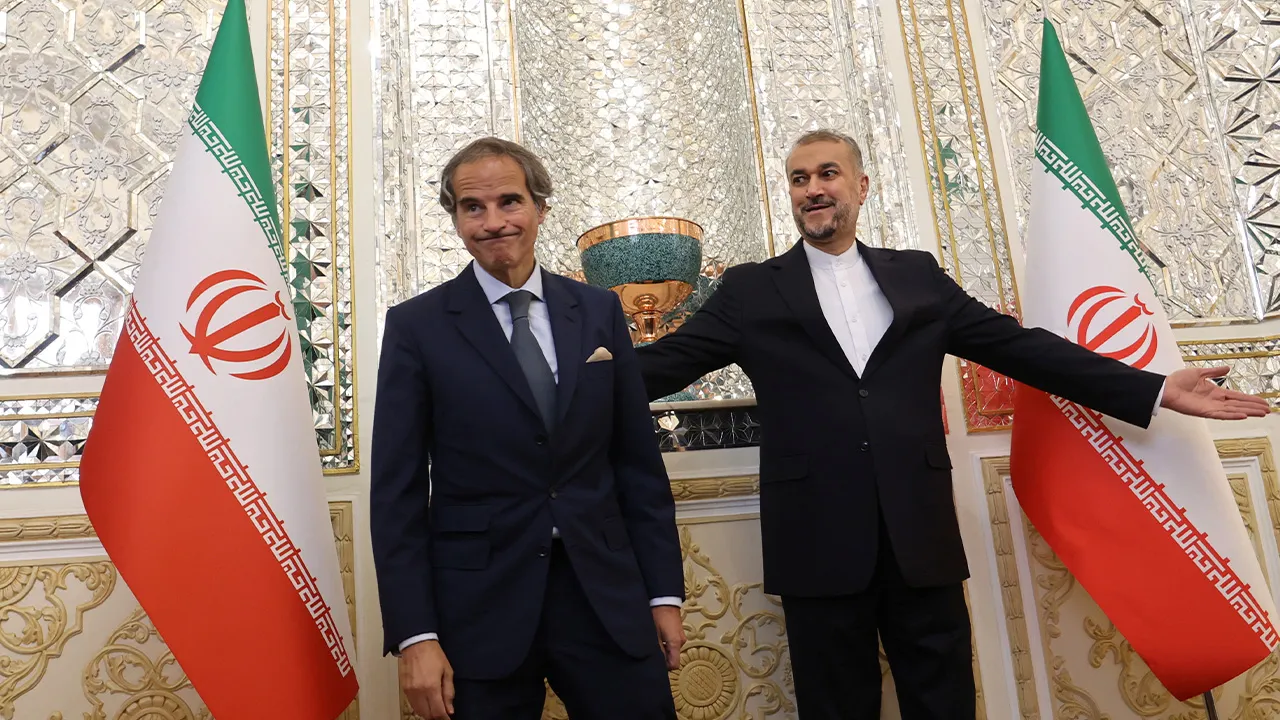
The volatility of the conflict has already manifested in direct military action, with reports indicating that missiles were intercepted in Kuwait. This kinetic activity coincides with significant internal turmoil within the United States, adding a layer of domestic political complexity to the foreign crisis.
Geopolitical analysts are closely monitoring a perceived shift in the balance of power. Some reports suggest that while U.S. Military capabilities may be waning, Iran is actively pursuing a strategy of strategic escalation. This dynamic has left Donald Trump in a precarious political position, described by some as being “trapped” in the conflict, where any move—whether aggressive or conciliatory—could carry significant risks.
The broader implications of the war are sparking fears of a global catastrophe, with growing questions regarding whether the world is drifting toward World War III. The conflict is not limited to the primary combatants; various nations are being directly impacted by the fallout of the war on Iran.
International oversight bodies have also raised alarms over the conduct of the war. The United Nations has condemned the silence of both the United States and Israel regarding the state of press freedom during the conflict. This lack of transparency has drawn criticism from the global community, as journalist safety and information flow remain critical during wartime.
The conflict is also resonating far beyond the borders of the Middle East. In Indonesia, surveys conducted by three different institutions have revealed how the Indonesian public views the clash between the U.S.-Israel alliance and Iran.
These combined developments underscore the growing regional tensions and suggest that the current trajectory of the conflict could heavily influence future diplomatic talks and global security stability.
