
Geopolitical tensions stemming from the conflict in Iran are raising concerns across the global economy, with consumers beginning to feel the impact, particularly at the fuel pump.
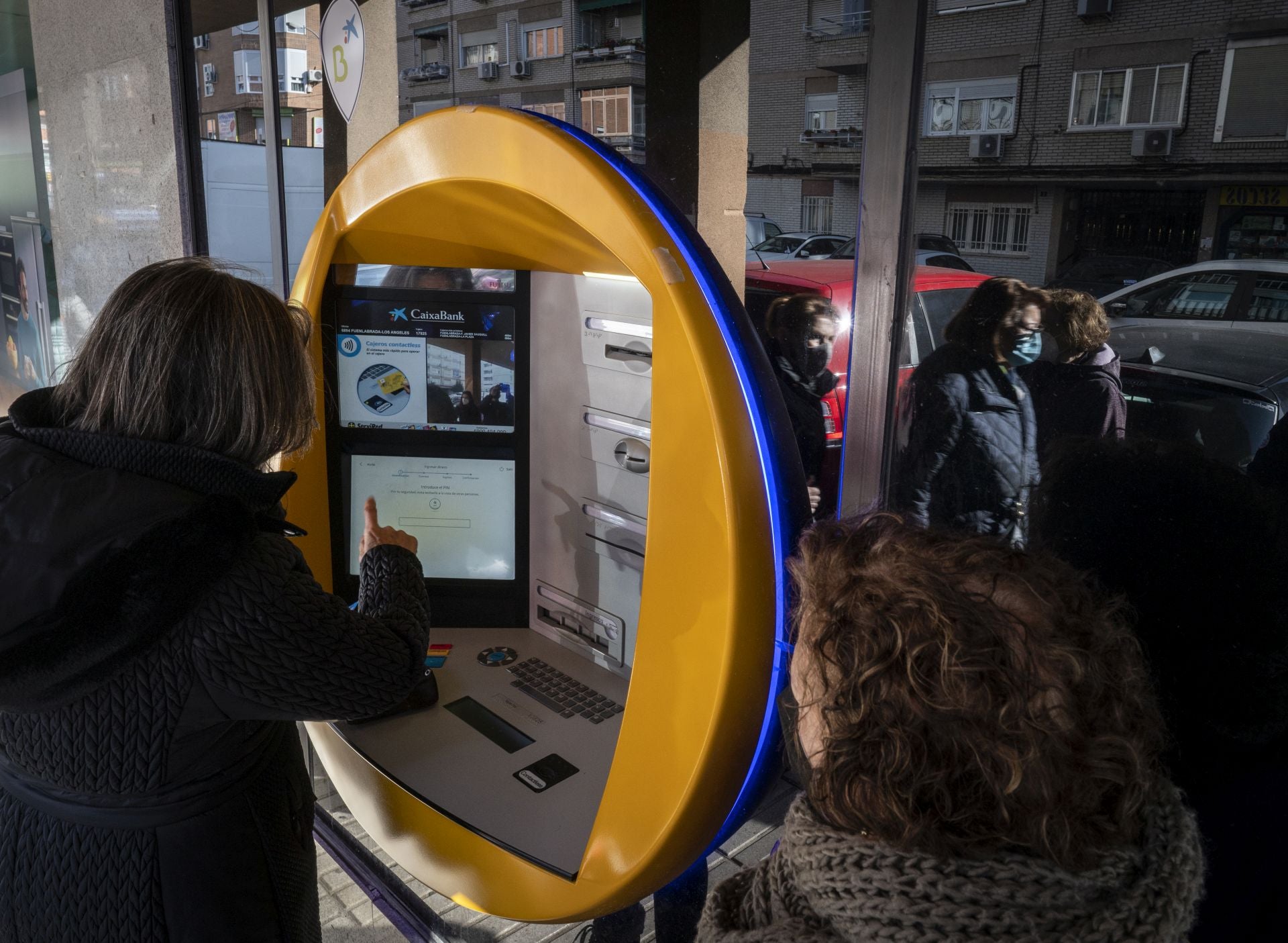
Amid this uncertainty, Sweden’s central bank, Riksbank, has issued an unusual recommendation: citizens should keep cash on hand. The advice, released this week, comes as a response to escalating geopolitical risks in a nation that has rapidly embraced digital payment systems.
While the recommendation from the Swedish central bank is notable given the current climate, cash continues to play a vital role in economic stability, extending beyond everyday transactions.
This guidance echoes findings from a report published by the European Central Bank (ECB) in the summer of 2025, titled ‘Keep Calm and Carry Cash: Lessons from the Unique Role of Physical Money in Four Crises.’
The ECB warned that “demand for banknotes has shown solid growth despite the continued digitalization of payments.” While daily transactions across the Eurozone have decreased, the value of physical currency has “increased significantly over the last two decades.”
The Importance of Cash During Crises
The study highlights the importance of cash and public behavior during several emergency situations over the past decades, including the Greek debt crisis in 2008, the Iberian Peninsula blackout of April 28, 2024, the Russian invasion of Ukraine, and the COVID-19 pandemic. “The value of banknotes in circulation has consistently maintained a share of over 10% of Eurozone GDP over the last ten years, with a temporary increase during the years of the COVID-19 pandemic and a moderation since the second half of 2022 due to rising interest rates,” the ECB explained.
The ECB’s Conclusions on Cash
The ECB concluded that during times of crisis “when stability is threatened,” cash proves useful. A common factor across these crises was the preventative stockpiling of physical currency. “It offers a distinctive psychological and practical utility, which explains its well-documented global persistence,” the analysis stated. It also “offers certainty about its nominal value, immediate access, and privacy” among its advantages.
“The utility of cash is notably intensified when stability is threatened”
The institution emphasized that “no system is foolproof,” but in these situations, cash generates a ‘positive externality’ or a “liquidity safety net for the Eurozone community.” It also qualifies it as a “social insurance” against “severe systemic instability.” It can also serve as a counterweight to the concentration of power within payment systems. As such, the report argues that We see “crucial” during crises and reminds us that central banks in various Eurozone countries and civil protection agencies recommend keeping some cash at home.
The Role of Cash in Four Crises
The ECB noted in the report that the 2020 pandemic “triggered an extraordinary and sustained increase in demand for euro banknotes.” They insist that even in early 2021, the excess circulation remained considerable. This increase occurred even “despite a simultaneous decrease for everyday transactions,” a phenomenon the ECB describes as “the banknote paradox.” This accumulation was driven by uncertainty surrounding the health emergency.
The April blackout demonstrated, according to the organization, “the crucial role of physical cash when digital infrastructure fails.” Spending with physical cards plummeted compared to unaffected areas. BBVA Research sampled 4,500 Spanish ATMs, and the data allows the ECB to point to a “marked divergence in cash demand” before and after the energy crisis. Withdrawals fluctuated normally in the days leading up to the blackout, collapsed on the day of the event, and “a marked increase in cash withdrawals occurred in the following days, significantly exceeding typical levels.” The institution concludes that this clearly demonstrates cash’s dual function as a resilient payment method and a store of value.
The Russian invasion of Ukraine saw similar episodes. Neighboring countries experienced a significant increase in cash demand, a response to the uncertainty. Regarding the Greek debt crisis, uncertainty and the evolution of the macroeconomic adjustment program increased the demand for cash. The ECB provides a data point: the net monthly issuance of banknotes by the Bank of Greece soared to a historic high of nearly 5 billion euros in June 2015.
How Much Cash to Keep on Hand
The amount of cash to keep at home should not be excessive, but enough to cover essential purchases for a few days. Authorities in the Netherlands and Finland recommend amounts between 70 and 100 euros per household member, or enough to cover needs for 72 hours.
Regarding Sweden, it has been recommended to keep 1,000 Swedish krona in cash per adult, equivalent to approximately 90 euros. “This should be considered a reference and is intended to cover a week of essential purchases. Households may need more or less cash available, depending on the number of people in the household or their specific needs. Whenever possible, households are recommended to keep cash in various denominations,” Riksbank advises.
