
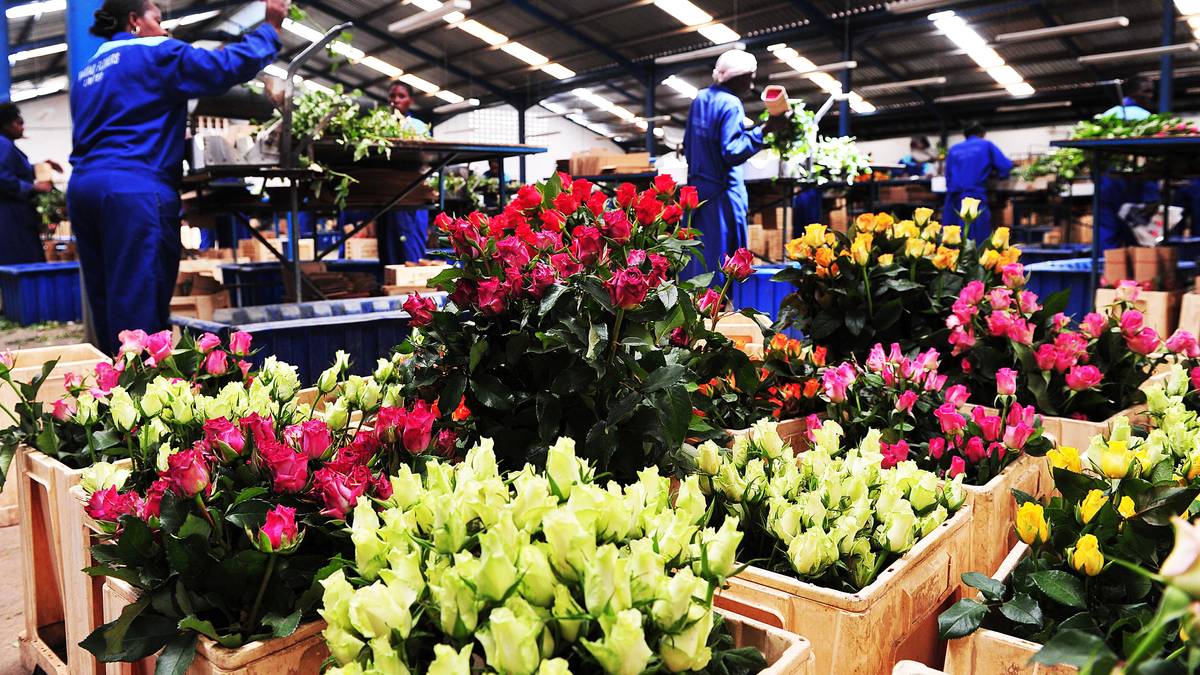
Kenya’s Rose Export Industry Plummets as Iran Conflict Drives Shipping Costs Skyward
The conflict in Iran and escalating unrest in the Strait of Hormuz have triggered a severe crisis for Kenya’s flower industry, leaving seven major flower farms on the brink of closure. The geopolitical instability has caused shipping costs to triple, creating an economic burden that industry leaders say is more devastating than the disruptions seen during the COVID-19 pandemic.
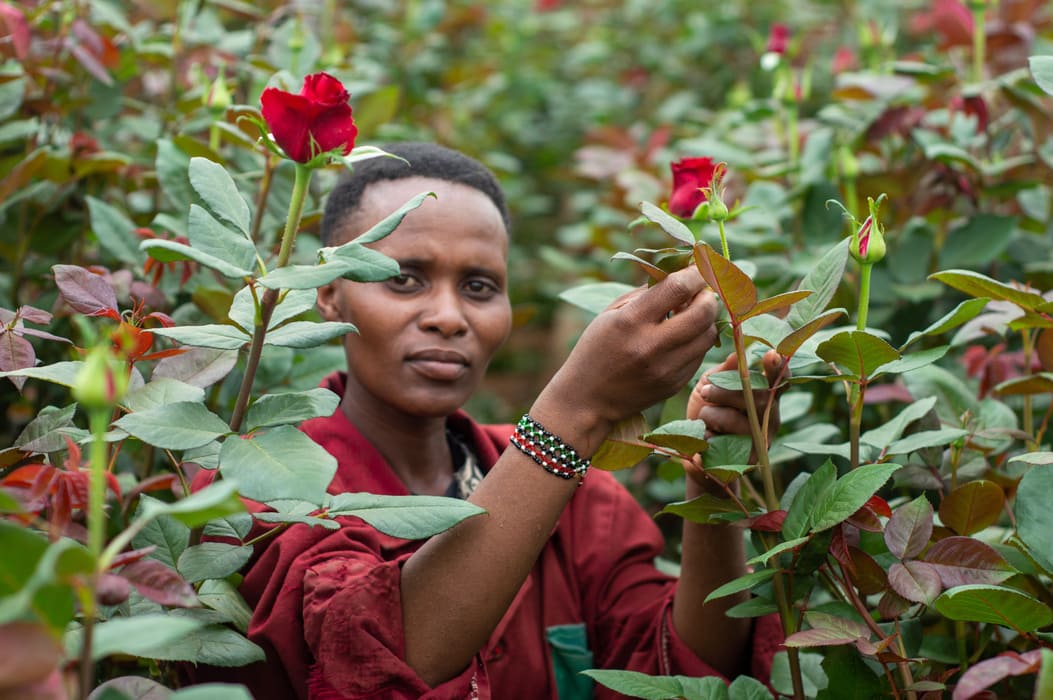
The logistical strain is most evident in the soaring cost of transport. Shipping rates for roses have jumped from 20 kroner per kilogram to 60 kroner, a spike that many farm managers warn is unsustainable for continued operations. This volatility underscores how regional conflicts in the Middle East can create immediate and drastic ripple effects across global supply chains, particularly for perishable goods.
At Isintha Flowers, one of the largest floral enterprises in Kenya, the impact has been stark. Ananthan Kumar, the company’s sales manager, reported that daily exports have plummeted to roughly half of their previous volume. Before the conflict began, the firm exported between 400,000 and 450,000 cut flowers every day; that number has since been slashed.
“Yes, clearly, we are hit harder now than in the time with covid,” Kumar told the Associated Press.
The crisis is compounded by a shortage of available flights and the rising cost of aviation fuel. At Jomo Kenyatta International Airport in Nairobi, there have been significantly fewer departures than before the conflict began. Ethiopian Airlines, the largest carrier in Africa and a primary transporter of Kenyan roses, has seen a marked decrease in flights, further strangling the export pipeline.
The stakes are high for the local economy. Kenya is the largest flower exporter in Africa and ranks as the third-largest globally, followed in the region by Ethiopia, Uganda, and Tanzania. The industry supports a massive workforce, with approximately 500,000 people employed across the country’s many flower farms. In regions like Kajiado, workers are already feeling the pressure as staffing levels are reduced to cope with the falling export volumes.
As the rose export crisis continues, the situation threatens not only the viability of Kenya’s agricultural leadership in Africa but also the job security of half a million laborers dependent on the global flower trade.
