
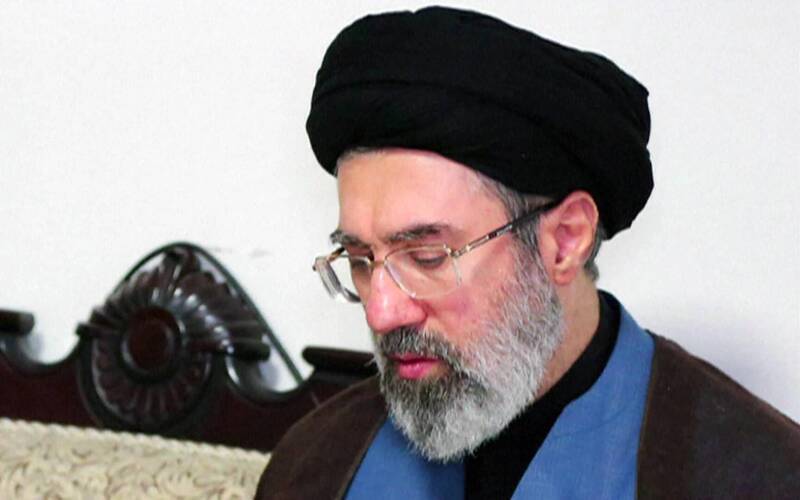
Iran’s new Supreme Leader, Mojtaba Khamenei, has issued a series of defiant statements vowing revenge and threatening the strategic stability of the Strait of Hormuz, even as a fragile two-week ceasefire holds between the United States and Iran.
In a statement released on April 9, 2026, Mojtaba declared that “aggressors” would pay a price and announced that the management of the Strait of Hormuz is entering a “new stage.” This follows previous remarks made on March 12, where he asserted that the blockade of the strait must continue as a “tool to pressure enemies.” These developments underscore the volatility of the region, as any disruption to this critical waterway could trigger global energy price shocks.
The new leader, who assumed power on March 9, has maintained a hardline stance since his appointment. He has explicitly vowed to avenge the death of his father, the late Supreme Leader Ayatollah Ali Khamenei, and other “martyrs.” Mojtaba has also called for the immediate closure of all U.S. Military bases in the Middle East, warning that such facilities would otherwise be targeted.
Despite the aggressive rhetoric, the physical condition of the Supreme Leader remains a subject of intense speculation. While he has issued multiple statements, he has not made a public appearance in nearly a month. According to reports cited by the New York Times, some Iranian officials suggest his absence is due to security concerns regarding his location. However, other sources claim he was severely injured during the initial days of the conflict with the U.S. And Israel. Unconfirmed reports suggest he may have suffered critical injuries, including the loss of at least one leg and severe damage to his abdomen and liver, leaving him in a coma.
Diplomatic efforts to stabilize the region are currently centering on Pakistan, which is scheduled to host the first round of peace talks in its capital on April 11, 2026. However, the prospects for a lasting agreement remain uncertain. Iran is insisting that any ceasefire must include Hezbollah, while Israel continues its bombing campaign in Lebanon.
In recent communications, Mojtaba has urged neighboring countries to distance themselves from “hegemonic powers” and warned against trusting Western promises. This rigid diplomatic posture suggests that while a temporary truce is in place, the underlying ideological and military conflict remains unresolved.
Reports of the Supreme Leader’s injuries and the vow for revenge highlight a leadership transition marked by both physical fragility and political aggression.
