
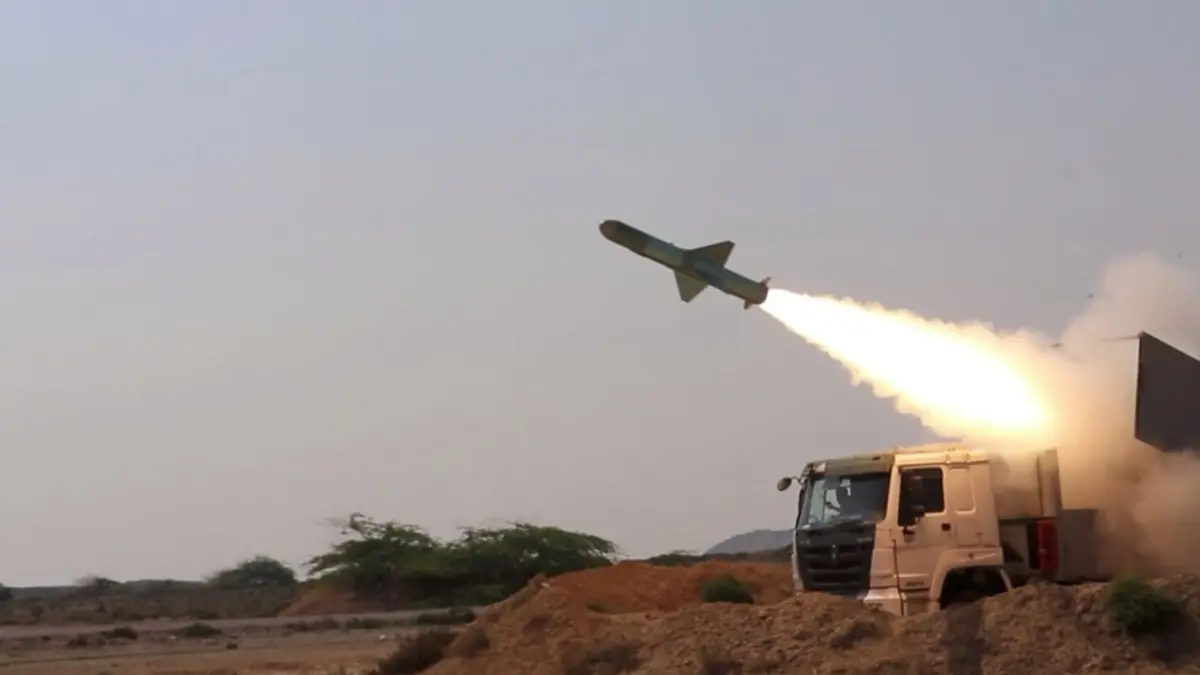
Israel and U.S. Strike Iranian Nuclear and Petrochemical Sites Amid Southern Lebanon Invasion
In a dramatic escalation of the regional conflict, Israel and the United States have launched coordinated strikes against critical Iranian infrastructure, including nuclear facilities and universities. The offensive comes as Israel simultaneously executes a ground invasion of southern Lebanon to dismantle the capabilities of the Iran-backed militant group Hezbollah.
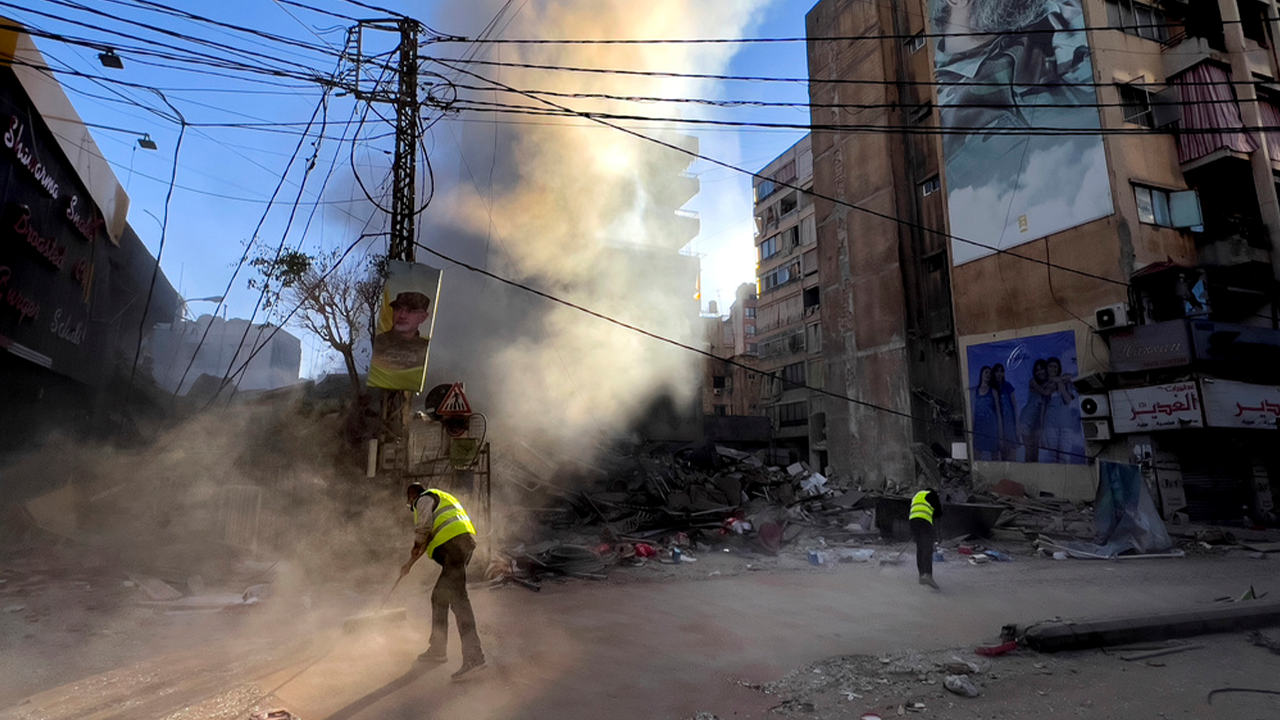
Reports indicate that Israel targeted more than 340 key targets associated with the Iranian regime and Hezbollah in less than 48 hours. Among the most strategic hits were strategic petrochemical centers and the Bushehr nuclear plant, a facility completed by Russia that has become a focal point of regional panic following the latest strikes. Residents in Tehran reported powerful explosions echoing through the capital following the large-scale announcement of Israeli operations.
Tehran has responded to the onslaught, launching what it termed “wave 95” of attacks targeting military objectives. These exchanges follow a series of waves of Israeli strikes on Tehran on April 1, 2026, which officials claim resulted in the death of a senior Hezbollah commander.
The conflict has expanded into a second front in Lebanon. On April 2, 2026, Israel launched a ground invasion of southern Lebanon to pursue Hezbollah fighters. Israeli Defense Minister Israel Katz stated that the military intends to push as far as the Litani River to establish a security zone. Katz described the operation as following a “Gaza model,” which involves the destruction of villages to prevent Hezbollah from using them as launch sites for rocket attacks.
While the military situation intensifies, conflicting diplomatic signals have emerged from the United States. President Donald Trump claimed via social media that Iran’s president, Masoud Pezeshkian, had requested a ceasefire. Trump suggested a timeline of two to three weeks to end the war against Iran and indicated that American troops would exit Iran shortly. He further asserted that Iran’s stockpile of highly enriched uranium could be monitored via satellite, suggesting this would mitigate the risks of leaving the materials in place.
The simultaneous targeting of nuclear and petrochemical infrastructure, combined with the ground offensive in Lebanon, underscores a period of unprecedented volatility in the Middle East. These developments could fundamentally reshape regional security dynamics and influence the trajectory of future diplomatic negotiations.
