
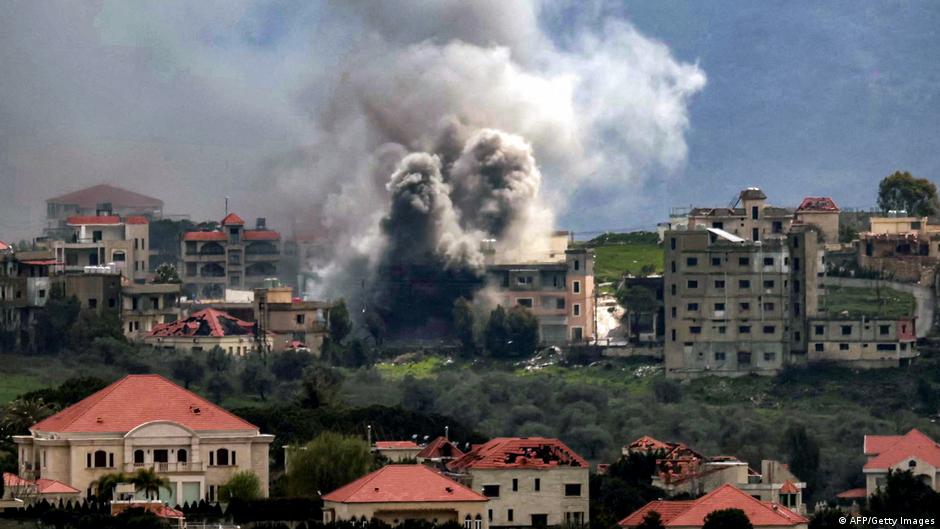
Jerusalem – Israel has launched a new wave of attacks against targets in Iran and Lebanon, escalating a conflict that began on February 28, 2026, with a joint campaign alongside the United States, known as Operation Roaring Lion. The intensification of hostilities comes as hopes for a swift regime change in Iran diminish, placing increased political pressure on Israeli Prime Minister Benjamin Netanyahu.
According to reports, the Israeli military struck facilities belonging to Iran’s Revolutionary Guards and the Basij, as well as ballistic missile sites. These strikes were conducted in coordination with U.S. Forces. Prime Minister Netanyahu announced the operation, stating its goal is to “put an end to the threat from the Ayatollah regime in Iran.”
The conflict has already had significant economic repercussions, with crude oil prices surging past $100 a barrel. This development underscores growing regional instability and its potential impact on the global economy.
Even as initial expectations centered on a potential regime change in Tehran, those hopes are fading. Israeli officials are now focusing on framing the operation as a success, even without the removal of the current Iranian government. One former national security advisor described the conflict as “a golden opportunity to change the direction of the whole Middle East.”
The war’s duration is currently estimated to last several weeks, according to Israeli assessments. However, Iran has reportedly threatened retaliation against Netanyahu. Recent reports also indicate that Israel downed a group of Iranian soldiers attempting to flee a drone storage site in western Iran.
Netanyahu’s handling of the conflict is proving to be a political boon domestically, with his poll numbers reportedly climbing with each airstrike. This contrasts sharply with the situation for U.S. President Donald Trump, who faces growing criticism and economic concerns related to the war. A CNN poll conducted shortly after the war began found that only 41 percent of Americans approved of the military action, while 59 percent disapproved.
The announcement could influence future diplomatic talks and further complicate the already fraught geopolitical landscape of the Middle East. The conflict began after what officials described as an “unprecedented mass slaughter” of Iranian citizens by the Ayatollah regime last month, with thousands killed and tens of thousands arrested.
