
Home » Latest News » World » Israel-Lebanon Conflict & Energy Market Fears

Israel-Lebanon Conflict & Energy Market Fears

by John Smith - World Editor
0 comments

Live

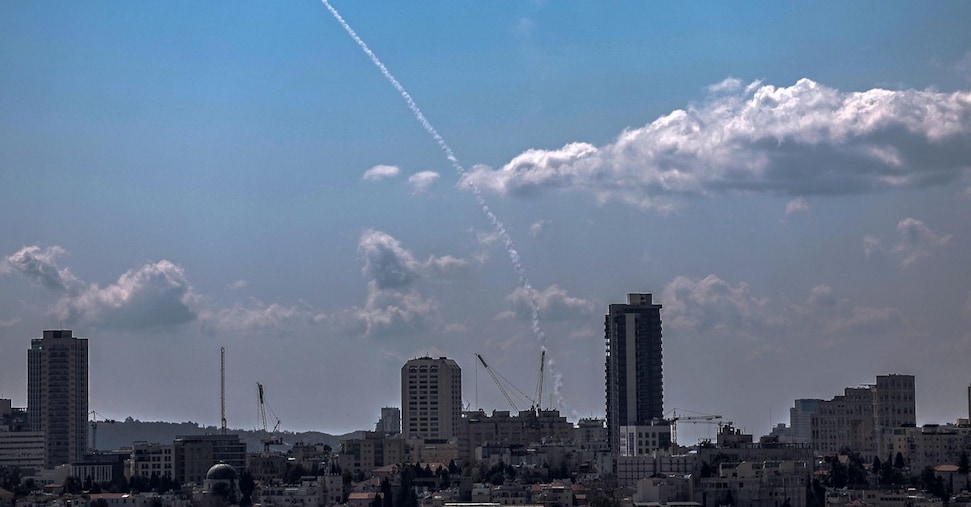
Overnight, Israel launched a series of attacks on Beirut and southern Lebanon. Lebanon had launched projectiles toward northern Israel, which were intercepted.

Drone strikes fuel terminal in Abu Dhabi

A drone struck a fuel storage terminal in the Emirati capital, Abu Dhabi, causing a fire but without impacting operations, according to a statement from the Abu Dhabi Media Office. “Abu Dhabi authorities responded today to a fire caused by an attack by a drone on a fuel storage terminal in Musaffah. The situation was promptly contained. No injuries were reported and there was no impact on operations,” the statement read.

EU Commission: Task force on energy prices, first meeting this week

The creation of an energy task force in coordination with the International Energy Agency (IEA) and member states is one of the first operational measures announced by the European Commission following today’s meeting of the College of Commissioners on security. The task force will examine “the evolution of the situation” in Iran and the Middle East and its repercussions for the EU. A first meeting is scheduled for this week.

Regarding energy, the Commission “is closely monitoring both price trends and supply,” primarily referencing transit of lng and crude oil through the Strait of Hormuz. In a statement, Brussels explained that the work will “support member states and protect EU citizens from the negative consequences of events occurring” in those parts of the world.

Brussels is similarly strengthening support for evacuation and repatriation operations, maintaining “high vigilance” and enhanced cooperation with Europol and member states regarding potential internal security risks, as well as closer monitoring of future migration flows.

Lebanon: Death toll from Israeli raids rises to 52

The death toll from today’s Israeli raids in Lebanon has risen to 52, with 154 injured, according to an updated official count released by Lebanese authorities. The figure updates a previous estimate of 31 fatalities and 149 injuries. Bombardments continue in several areas of the country. The raids particularly impacted the southern outskirts of Beirut, as well as southern and eastern regions of Lebanon, also causing a large displacement of the population. According to the government unit for disaster management, over 28,500 people have been forced to leave their homes due to the attacks.

Escalating tensions in the Middle East saw Israel launch retaliatory strikes in Lebanon on March 2, following rocket fire from Hezbollah. The exchange of attacks comes amid a broader regional conflict sparked by recent actions involving Iran, Israel, and the United States.

According to Lebanese authorities, the Israeli strikes have resulted in a rising death toll, reaching 52 with 154 reported injuries as of the latest update. The attacks have concentrated on areas south of Beirut, as well as regions in the south and east of the country, prompting over 28,500 people to flee their homes.

The strikes were initiated after Hezbollah announced it had launched rockets and drones toward the Israeli city of Haifa, claiming responsibility as retribution for the killing of Iran’s Supreme Leader Ayatollah Ali Khamenei. Israel’s defense minister vowed that Hezbollah would “pay a heavy price” and ordered the military to “act forcefully” against the group, designating its leader, Naim Qassem, as a “marked target for elimination.”

Lebanon’s Prime Minister, Nawaf Salam, condemned Hezbollah’s actions as “irresponsible” and announced an immediate ban on the group’s military activities. The conflict has rapidly spread across the Middle East since the joint US-Israeli attack on Iranian leadership and armed forces on Saturday, with Iran responding by launching missiles and drones toward Israel and Gulf Arab states hosting US military bases.

Meanwhile, an Abu Dhabi complex housing the Israeli embassy was damaged by debris from an intercepted drone on March 1, according to reports. The European Commission has also announced the formation of a task force to monitor the energy market and mitigate potential repercussions from the escalating regional crisis, with its first meeting scheduled for this week.

Israel’s military stated on Monday that there was no immediate reason to launch a ground invasion of Lebanon, even as the overnight attacks continued. The development underscores growing regional tensions and the potential for further escalation.

You may also like

Leave a Comment

This site uses Akismet to reduce spam. Learn how your comment data is processed.

This website uses cookies to improve your experience. We'll assume you're ok with this, but you can opt-out if you wish. Accept Read More

Privacy & Cookies Policy