
US-Israeli ‘Operation Lion’s Roar’ Targets Iranian Energy and Infrastructure as Trump Deadline Looms
The joint U.S.-Israeli military campaign, known as Operation Lion’s Roar, has intensified with targeted strikes on Iran’s energy sector and critical infrastructure, coinciding with the final hours of a high-stakes ultimatum issued by U.S. President Donald Trump. The operation, which aims to neutralize the threat posed by the regime in Tehran, has seen the destruction of dozens of targets across the country.
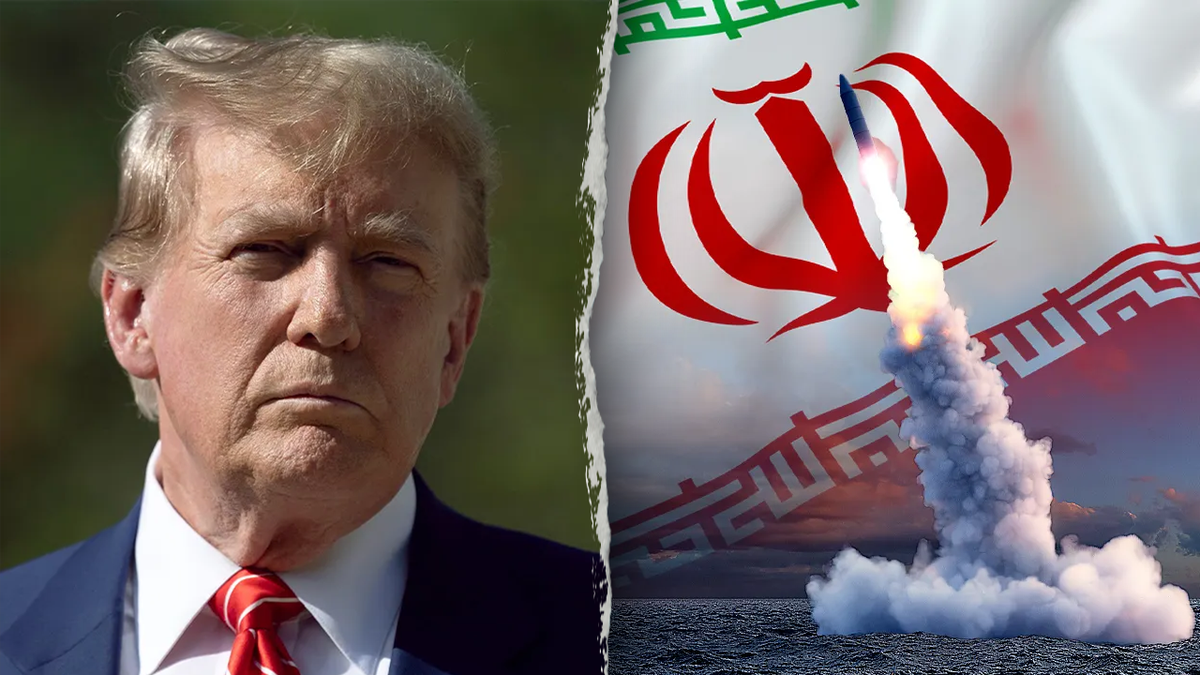
According to Netanyahu’s official announcement on military targets, the Israel Defense Forces (IDF) and U.S. Military are focusing on ballistic missile sites, facilities belonging to the Basij and the Revolutionary Guards. The campaign has expanded to include the strikes on Iran’s energy infrastructure, which officials describe as a severe economic blow. missile strikes on bridges have been reported as the deadline for President Trump’s ultimatum approaches. There are similarly reports of potential strikes on Iranian railways, with warnings already issued to civilians in those areas.
The military escalation comes amid a diplomatic deadlock. President Trump has demanded that Iran reopen the Strait of Hormuz by Tuesday night, April 7, 2026, warning the regime it would otherwise face “hell.” While a Pakistan-brokered proposal for a temporary 45-day ceasefire was submitted to Washington and Tehran, Iran rejected the offer, insisting on a permanent ceasefire instead.
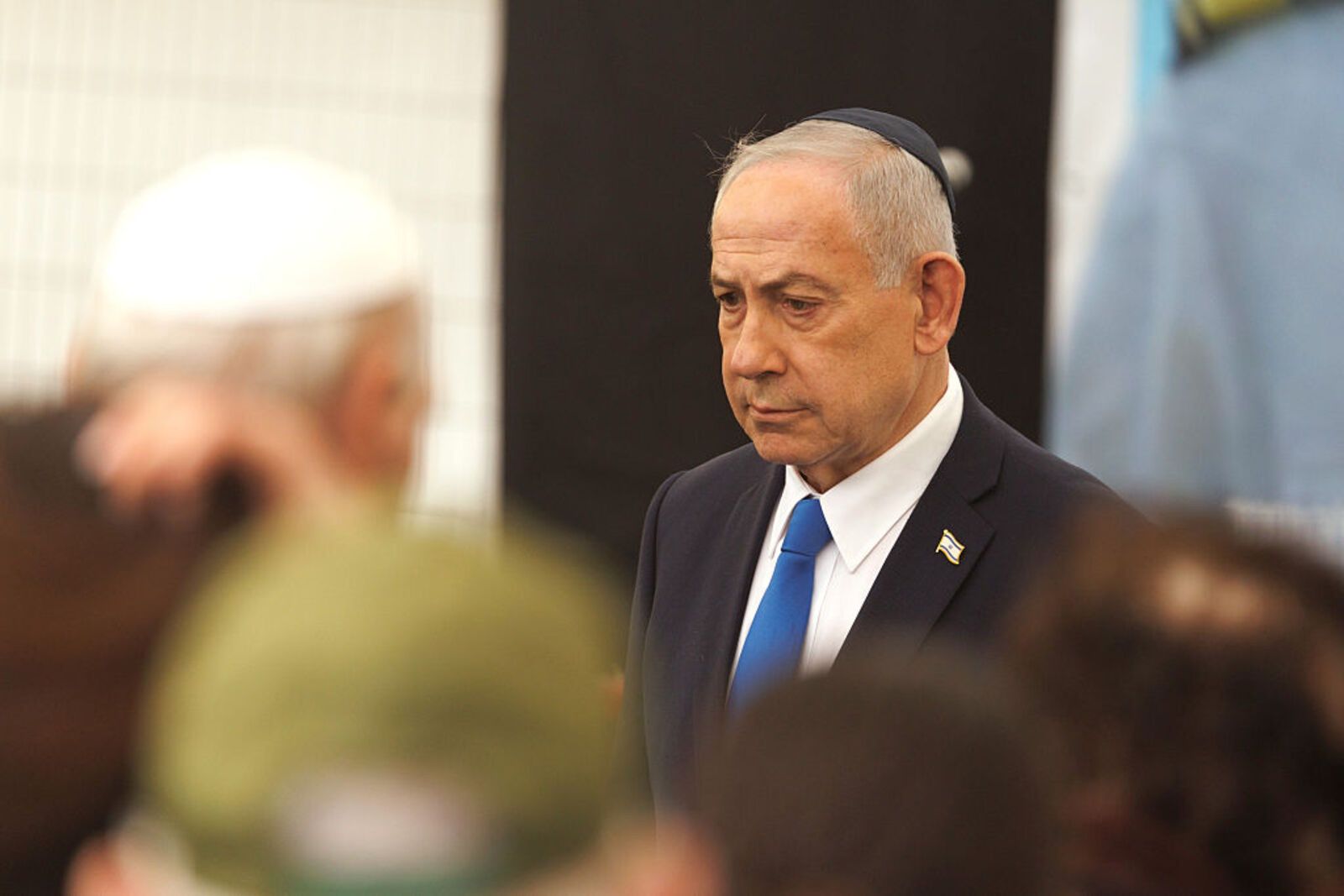
Internal tensions have also emerged between the U.S. And Israeli leadership. Prime Minister Benjamin Netanyahu reportedly warned President Trump against agreeing to any ceasefire at this stage, arguing that such a move would carry significant risks. However, Trump has indicated a willingness to proceed with a truce if Iran meets Washington’s specific demands. Netanyahu has further suggested that even if a ceasefire with Iran is reached, Israel would not be required to stop its operations against Hezbollah in Lebanon.
Within Israel, the war is creating deepening political fractures. During a defiant wartime address earlier this week to mark Passover, Netanyahu compared Israel’s strikes to the Ten Plagues. This rhetoric was quickly mocked by opposition leader Yair Lapid, who labeled the Prime Minister’s speech as “arrogant” and argued that Netanyahu is incapable of making a strategic decision to end the conflict.
Public sentiment in Israel is also shifting. A survey by the Israeli Institute for National Security Studies (INSS) reveals that confidence in the campaign’s ability to weaken or collapse the Iranian regime has dropped from nearly 70% at the start of the war to 43.5% as of April 2026. These developments underscore the growing regional instability and the immense pressure on both the U.S. And Israeli governments to achieve their stated strategic objectives.
