
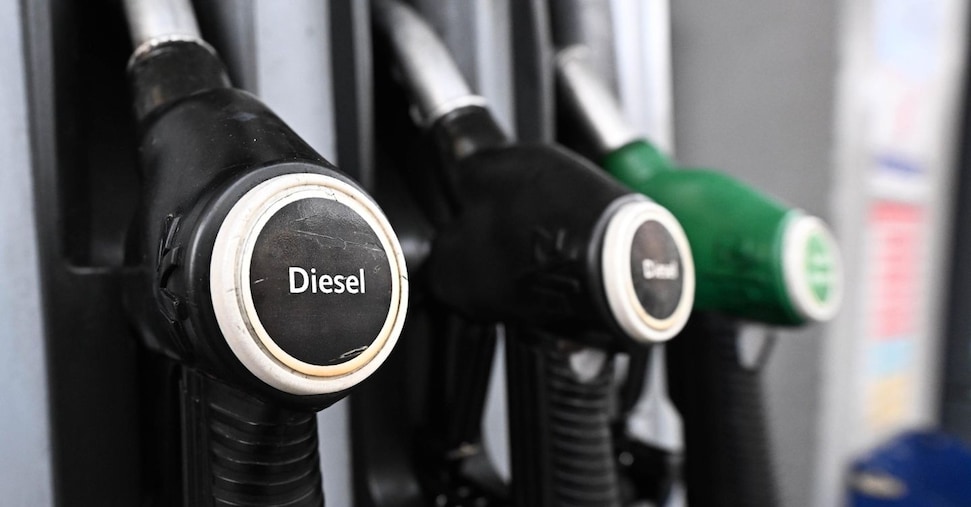
Rising fuel prices are bolstering state revenue in Italy, with the government collecting an additional 9.5 million euros per day compared to the conclude of February, according to consumer advocacy group Codacons. The increase in tax income – from VAT and excise duties – comes as families and businesses grapple with higher costs at the pump amid ongoing geopolitical instability. This dynamic highlights the complex economic consequences of the conflict in the Middle East.
The surge in fuel costs has seen diesel prices climb 18.5% between February 27th and March 14th, an increase of 32.2 cents per liter, equating to roughly a 16 euro increase for a full tank. Gasoline prices have risen 9.1% (15.3 cents per liter), adding approximately 7.6 euros to the cost of filling up. Codacons estimates that these price hikes are costing Italian consumers 16.5 million euros per day.
Deputy Prime Minister Antonio Tajani has suggested a potential cut in excise duties, funded by the increased VAT revenue. However, he noted that confirmation of the extra VAT income won’t be available until the end of the month.
Government Weighs Past Measures
Minister Urso referenced a 2022 excise duty cut implemented by the government of Mario Draghi, cautioning against a repeat. According to Urso, that measure cost approximately one billion euros per month and failed to curb inflation, with benefits largely accruing to higher income brackets.
Codacons disputes this assessment, arguing that the 2022 tax cut immediately lowered inflation from 6.5% to 6% and generated roughly 4 billion euros in savings for consumers.
The debate over excise duties comes as the government considers options to mitigate the impact of rising energy costs on the Italian economy. The increased state revenue from fuel taxes presents a potential avenue for offsetting some of the burden on consumers, but policymakers are weighing the potential effectiveness and distributional effects of various measures.
