
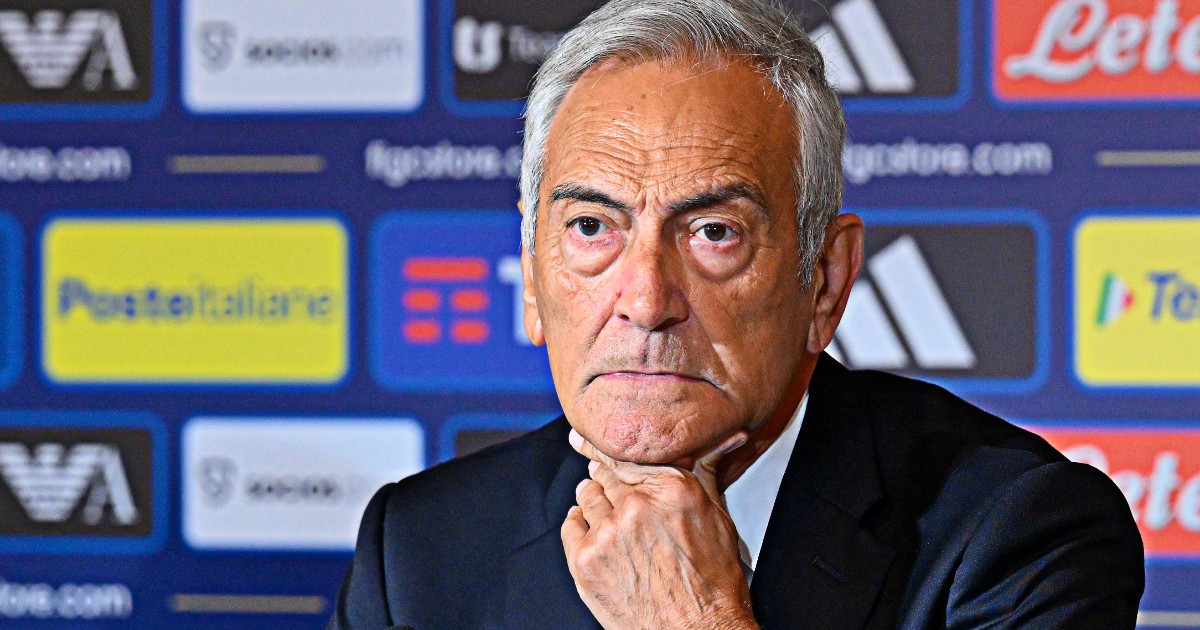
Italy faces a critical juncture in its quest to qualify for the 2026 World Cup, with their hopes potentially hinging on playoff matches against Northern Ireland, followed by a possible final against either Wales or Bosnia. Having missed out on the tournaments in Russia 2018 and Qatar 2022, this qualifying campaign represents a last chance for the national team, and some argue that failing to qualify might ultimately be the best outcome for Italian football.
The argument, while provocative, centers on avoiding further embarrassment on the international stage. The national team’s performance at the European Championships two years ago was particularly disappointing, leading some to believe that a failed qualification attempt could be a necessary reset. Should Italy overcome Northern Ireland and then Wales or Bosnia – teams currently ranked in the third or fourth tiers – they would secure a spot in the United States tournament. However, some believe that such a qualification would merely mask deeper problems within the Italian game.
Many believe Italian football is in desperate need of a complete overhaul, requiring drastic measures to address systemic issues. This includes a sweeping change in leadership, removing ineffective and potentially corrupt officials from the Italian Football Federation (FederCalcio). Figures like Gennaro Gattuso, deemed inadequate, and Gianluigi Buffon, seen as a scapegoat, have been criticized for their roles within the national team setup. Concerns also extend to the performance of referees, led by the controversial designator Gianluca Rocchi, and the perceived bias in Serie A officiating.
The Serie A league itself is under scrutiny, with accusations that club presidents prioritize television revenue over the long-term health of the game. A reliance on the 3-5-2 formation and overly cautious tactics is also seen as stifling creativity and hindering the development of young talent. A fundamental shift in approach is needed to compete with the evolving styles of play across the rest of Europe.
Rebuilding the national team requires a genuine commitment to youth development, moving beyond mere rhetoric and translating promises into concrete action. Proposed reforms include reducing Serie A to 18 teams, eliminating the practice of allowing teams to be reinstated into the league, and significantly reducing the number of professional clubs. A shift in financial priorities is also advocated, tying television revenue to the development of young Italian players and investment in infrastructure. Calls for an independent justice system and even a lottery system for assigning referees highlight the depth of the issues.
These reforms, while drastic, are seen as essential to address the deep-rooted problems within Italian football. However, resistance from those entrenched in the current system is expected. Some believe that only by hitting rock bottom – experiencing a historically bad defeat – can the necessary changes be forced. Only then can the privileges and vested interests be dismantled, allowing for a genuine attempt to rebuild from the ground up, though some fear it may already be too late.
However, Italy’s footballing landscape is often unpredictable. Despite two recent World Cup failures and a disastrous European Championship, change has been leisurely to materialize. FederCalcio president Gabriele Gravina has already stated that he will not resign, regardless of the outcome of the qualifying campaign, and has even announced the creation of a federal academy as a symbolic gesture of reform. This suggests that even without qualifying for a third consecutive World Cup, the status quo may prevail. In such a scenario, perhaps the most realistic approach is to support the national team and enjoy the matches, at least for the entertainment value.
