
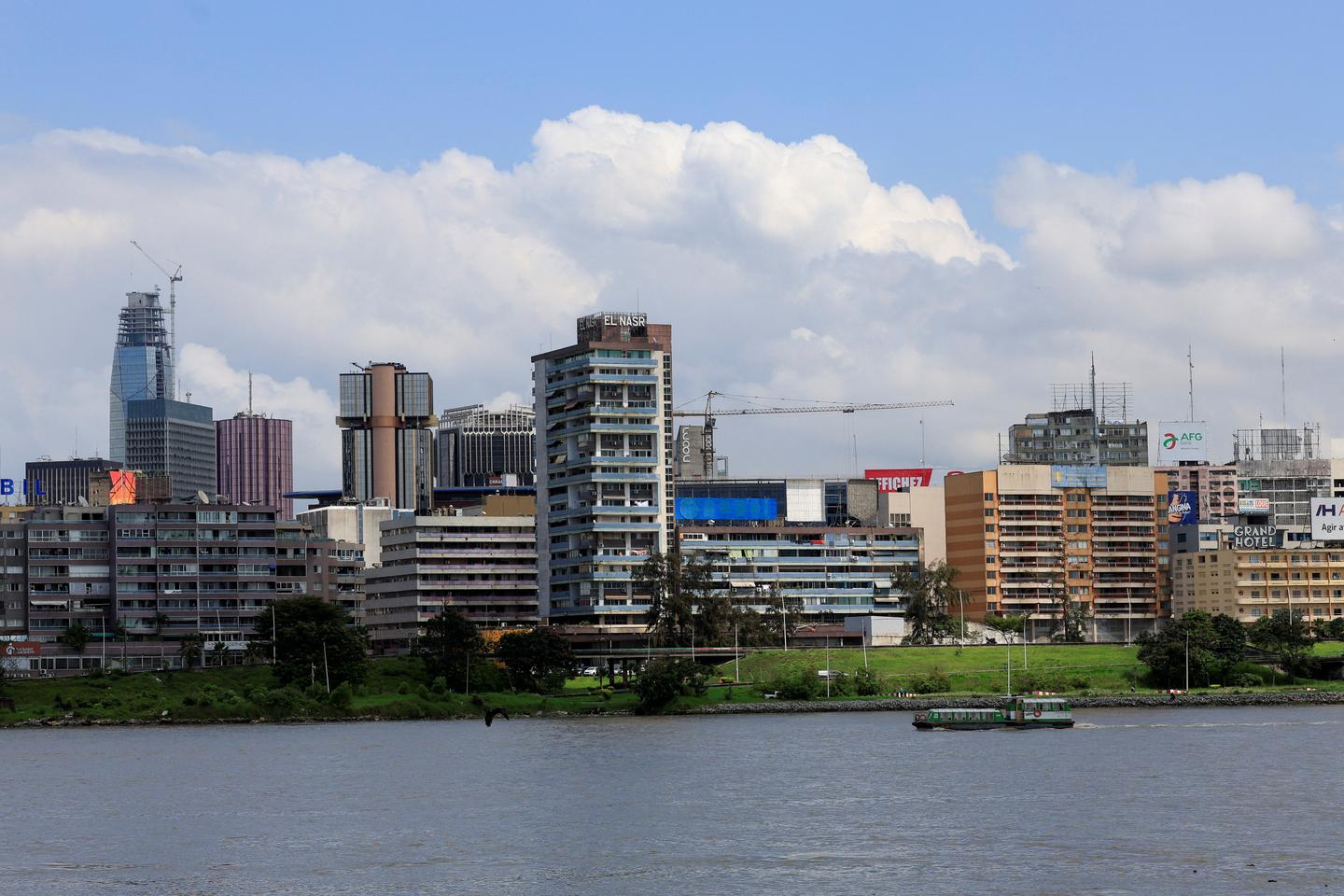
Abidjan is attracting increasing attention from financial markets. On February 18, 2026, Côte d’Ivoire successfully raised $1.3 billion (1.1 billion euros) through a 15-year eurobond offering, a debt instrument denominated in a foreign currency, typically U.S. Dollars. The offering, even as not unprecedented, stood out due to its scale, attracting interest from nearly 270 investors. Notably, the final issue carried an interest rate of 5.39%, one of the most competitive rates in Sub-Saharan Africa in the last five years.
The funds raised are expected to contribute to the 2026 budget, which plans to mobilize approximately 26.5 billion euros, representing a 13.1% increase in spending compared to the previous fiscal year. Côte d’Ivoire has limited options but to tap the markets for financing, given insufficient tax revenues. While tax revenues have grown from roughly 4.5 billion euros in 2015 to over 12.3 billion euros in 2025, they remain inadequate to cover the needs of the Ivorian state, which is anticipating a deficit of around 3% this year.
For investors, the country offers a risk premium exceeding that of developed economies, coupled with a perceived moderate risk of default. Côte d’Ivoire’s economic growth is projected to reach 6.5% of GDP in 2025 and 6.7% in 2026. Debt levels remained contained at 59.3% in 2024, a 1.7 percentage point increase from the previous year, but still below the 70% threshold set by the West African Economic and Monetary Union.
“Previously, in Sub-Saharan Africa, investors favored South Africa, Nigeria and Ghana,” observes Ismaël Comara, Regional Head of Capital Markets at Ecobank. “But these economies have recently experienced major turbulence: Ghana had to restructure its debt, Nigeria is facing strong tensions on its foreign exchange reserves, and South Africa is grappling with sluggish growth coupled with rising debt.”
Diversification of Creditors
For Côte d’Ivoire, the primary uncertainty revolved around political stability leading up to the presidential election on October 25, 2025. With the outcome now known, on December 12, 2025, Fitch Ratings, one of the three major credit rating agencies, upgraded the country’s rating to BB from BB-, a notch below investment grade, indicating a low perceived risk of default.
The agency stated that the country presents the strongest credit signature in Sub-Saharan Africa, surpassing South Africa and Namibia. Only Morocco holds a higher rating on the continent, with a BB+.
Notably, Abidjan is also diversifying its creditor base. In July 2025, Côte d’Ivoire became the first Sub-Saharan African country to issue a samurai bond, a debt instrument issued on the Tokyo Stock Exchange. The transaction allowed the country to raise 50 billion yen (approximately 270 million euros) at a particularly attractive rate of 2.3% over ten years, on a market traditionally reserved for advanced economies.
“Concessional loans [loans granted on more favorable terms than market rates] are becoming scarcer. So we are exploring all possibilities that can allow us to continue our development,” emphasizes Amadou Coulibaly, government spokesperson.
This attractiveness also contributes to stimulating investment. “The correlation is not mechanical, but it creates a positive dynamic,” notes Yves Tetegan, co-founder of Mewi capital. Between 2020 and 2024, the amount of foreign direct investment entering Côte d’Ivoire increased from $720 million (610 million euros) to $3.8 billion (3.2 billion euros), according to the World Bank.
Mauritius tops the list of investors, followed by France and Singapore, according to data from the Ministry of Economy. Capital is primarily directed towards the agri-food sector, a strategic sector for the country, which aims to strengthen local processing and achieve greater productive autonomy.
