

Jamie Dimon Warns of AI Unknowns and Geopolitical Risks in 2026 Shareholder Letter
JPMorgan Chase CEO Jamie Dimon has issued a stark warning in his annual shareholder letter dated April 6, 2026, identifying three compounding risks that he believes markets are currently underestimating. In the 48-page document, Dimon highlights the uncharted disruption of artificial intelligence, war-driven inflation, and deterioration in private credit as primary threats heading into the second half of the year.
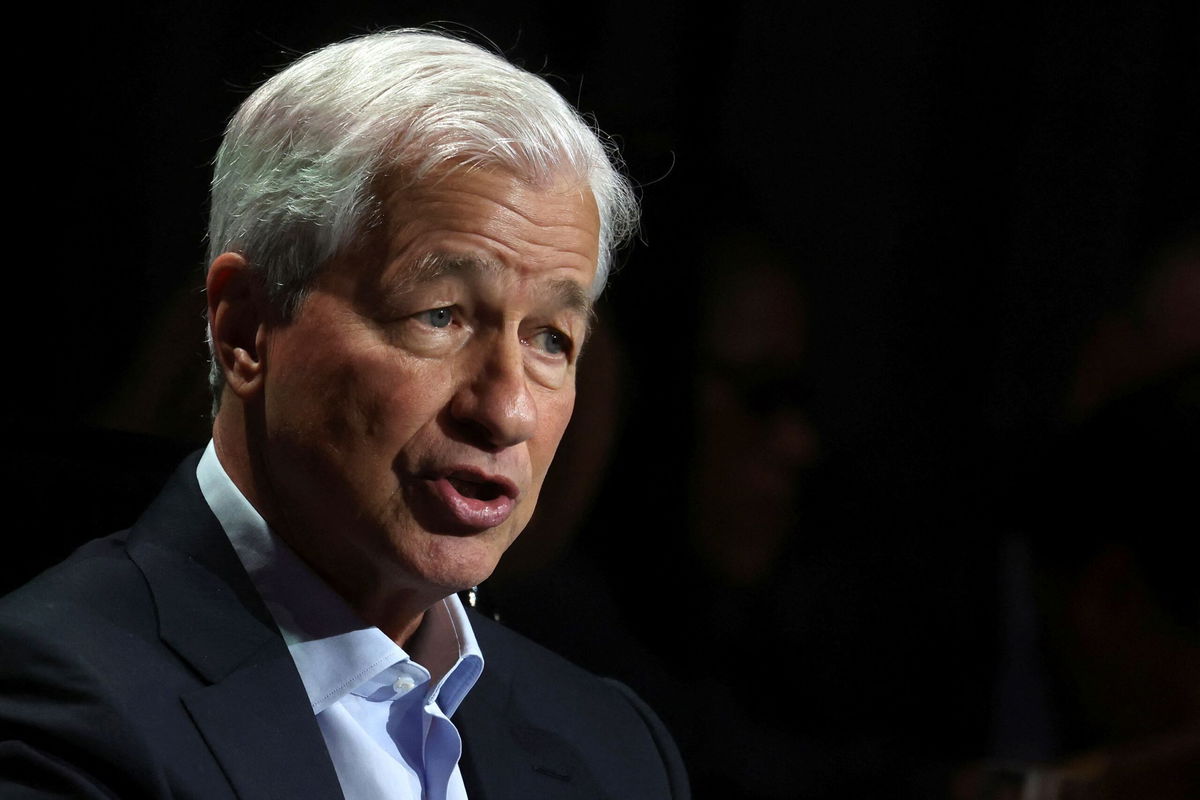
Among the most significant technological concerns, Dimon pointed to the “second- and third-order effects” stemming from emerging AI technology. While the immediate capabilities of AI are well-documented, the CEO emphasized that the long-term, indirect disruptions remain unknown. This uncertainty suggests that the full impact of AI on the global economy may be more complex and volatile than current market optimism suggests.
On the geopolitical front, Dimon warned that the war in Iran could trigger significant oil and commodity price shocks. He argued that these shocks, combined with the ongoing reshaping of global supply chains, could lead to stickier inflation and higher interest rates than investors currently anticipate. To illustrate the danger, Dimon cited the recessions of 1974 and 1982 as historical precedents where surging oil prices and runaway inflation drove economic downturns. He described the prospect of gradually rising inflation and interest rates as “the skunk at the party” that could trigger a decline in stocks this year.
The letter also addressed “cracks” forming within the private credit sector. Dimon specifically cautioned that losses in leveraged lending are running “a little higher than they should be,” suggesting that the risks associated with these assets are being overlooked.
These warnings arrive at a precarious moment for investors; the S&P 500 recently closed its worst quarter since 2022, a period marked by sharp inflation spikes resulting from the Russia-Ukraine conflict. Despite these looming threats and ongoing trade battles, Dimon noted that the US economy remains resilient for now, with healthy businesses and consumers who continue to earn and spend.
