
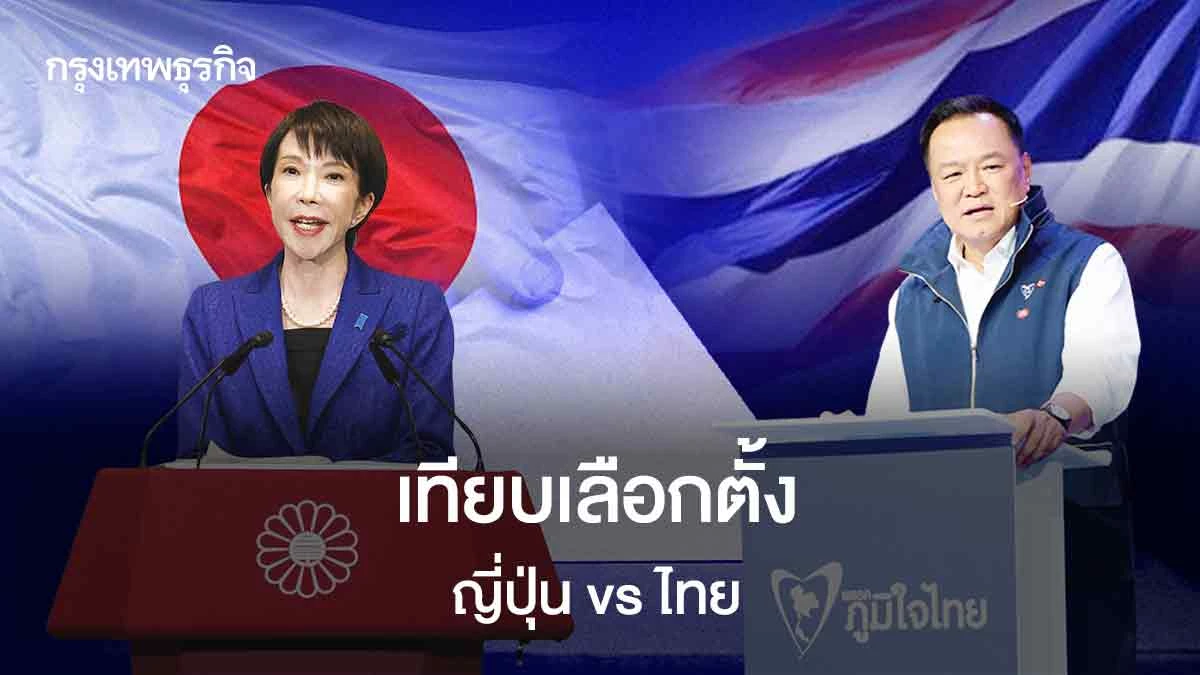
A landslide victory for the Liberal Democratic Party (LDP) led by Prime Minister Sanae Takaichi has dramatically reshaped Japan’s political landscape following Sunday’s elections.
The election results signal a decisive turn towards right-wing nationalism in Japan, with voters appearing to favor a stronger military, a more assertive stance against Chinese influence, and stricter policies towards foreigners, including both tourists and laborers. This represents the most significant rightward shift in Japanese politics in a decade.
Takaichi is Japan’s first female prime minister and leads the LDP, the country’s long-ruling political party, which has historically dominated Japanese governance in a manner comparable to Singapore’s People’s Action Party. However, the LDP’s grip on power had been weakening in recent years, making it difficult to secure a clear majority and form a single-party government.
Takaichi assumed leadership of the party during a period of political instability. Since 2020, Japan has seen five different prime ministers, as no leader had been able to establish the long-term stability achieved by Shinzo Abe, a staunch conservative and a political mentor to Takaichi.
Despite being a woman, Takaichi has navigated a deeply patriarchal society – ranked as having the highest gender inequality in the world – and a traditionally conservative political environment. She has, however, continued to promote traditional values, including opposition to female succession to the throne, maintaining separate surnames for married couples, and a lack of support for the LGBTQ+ community.
While reinforcing traditional norms, Takaichi likewise promotes policies aimed at supporting working mothers, such as expanding childcare options and offering tax breaks for childcare expenses. Recognizing the need for female participation in the workforce, she intends to increase female representation in her cabinet.
Takaichi is prioritizing closer ties with the United States while simultaneously increasing distance from China. She aims to position Japan as a key player in regional security in the Far East, moving from a supporting role to a more proactive one alongside the U.S. She intends to bolster Japan’s Self-Defense Forces and is considering constitutional revisions that would allow for the creation of a full-fledged military, a capability limited since the end of World War II.
Takaichi successfully tapped into a wave of nationalism to secure her victory, responding to concerns among Japanese citizens about overtourism and perceived disruptions to Japanese society. She also understands the sentiment towards China, leading her to call a snap election despite being in power for less than three months.
The political dynamics in Japan bear striking similarities to those in Thailand, with both countries seeing leaders leverage nationalist sentiment for electoral success. While the specifics differ – with Japanese politicians focusing on China and their Thai counterparts on Cambodia – both leaders called snap elections after short tenures and achieved unexpected victories fueled by nationalist fervor. The development underscores growing nationalist sentiments in East Asia and their potential to reshape regional politics.
