
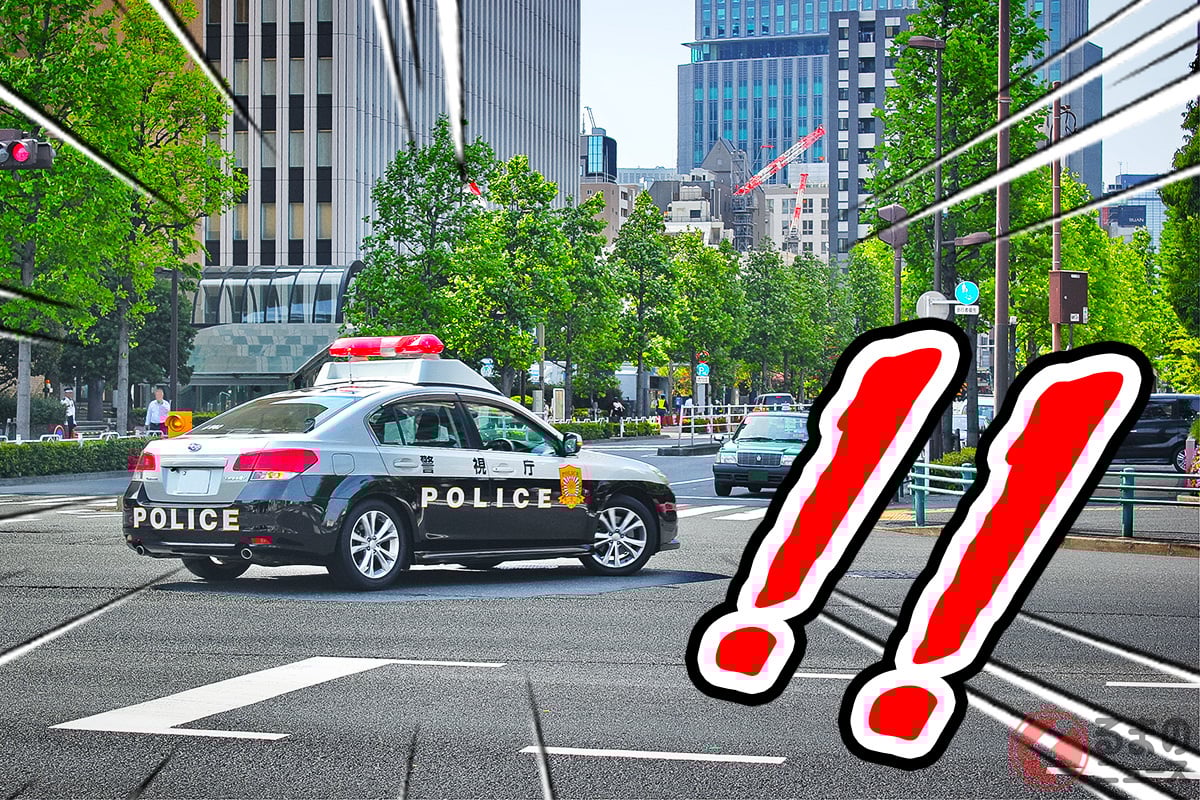
Japan has officially implemented a new traffic enforcement system for cyclists, introducing the employ of “blue tickets” to streamline the processing of traffic violations. Effective April 1, 2026, the system allows police to issue citations to cyclists aged 16 and older, providing a simplified legal process where paying a set fine prevents the need for criminal trials or family court hearings.
A Shift in Enforcement Strategy
The introduction of the Traffic Infraction Notice System marks a significant change in how bicycle violations are handled. Previously, “blue tickets” were reserved for motorists, motorcyclists, and electric kickboard users. By extending this to cyclists, authorities aim to curb the rising number of bicycle-related accidents, particularly those involving pedestrians, as cycling becomes more integrated into daily commutes and delivery services.
According to the Metropolitan Police Department, the move is a response to an increase in accidents and growing complaints regarding cyclists who ignore traffic laws. While the rules of the road remain the same, the method of processing violations has shifted from traditional warnings or complex criminal procedures to a more efficient fine-based system.
Targeted Violations and Penalties
Police are focusing on several key safety violations to promote a more secure environment for all road users. Key areas of enforcement include:

- Smartphone Use: Using a mobile device while riding, which can result in fines such as 12,000 yen in some regions.
- Traffic Signal Violations: Ignoring red lights, with fines reaching 6,000 yen in reported cases.
- Road Positioning: Failure to follow the principle of riding on the left side of the road.
- Pedestrian Safety: Failure to prioritize pedestrians when riding on sidewalks.
- Other Infractions: Riding side-by-side (parallel riding), failing to stop at designated signs, and riding without headlights at night.
The system emphasizes that those who follow the “Five Rules for Safe Bicycle Use” will not be affected by these changes. The goal is not to penalize law-abiding citizens but to hold irresponsible riders accountable.
Public Reaction and Controversy
The rollout has not been without friction. The new system has sparked significant debate on social media, with some critics labeling the move as a “money-making scheme” by the police. Some users have expressed frustration, questioning whether the police themselves adhere to the rules they enforce and voicing concerns over the safety of roads for cyclists.
Legal experts have also weighed in on the complexities of the new law, particularly regarding students. Some high school students have claimed they were never taught these specific regulations in school, leading to questions about whether a citation can be contested if the rider was unaware of the specific law. Failure to pay the designated fine may lead to more severe legal risks, including potential court appearances.
This transition underscores the Japanese government’s effort to treat bicycles as vehicles in every legal sense, pushing for a culture of responsibility as urban mobility evolves.
