
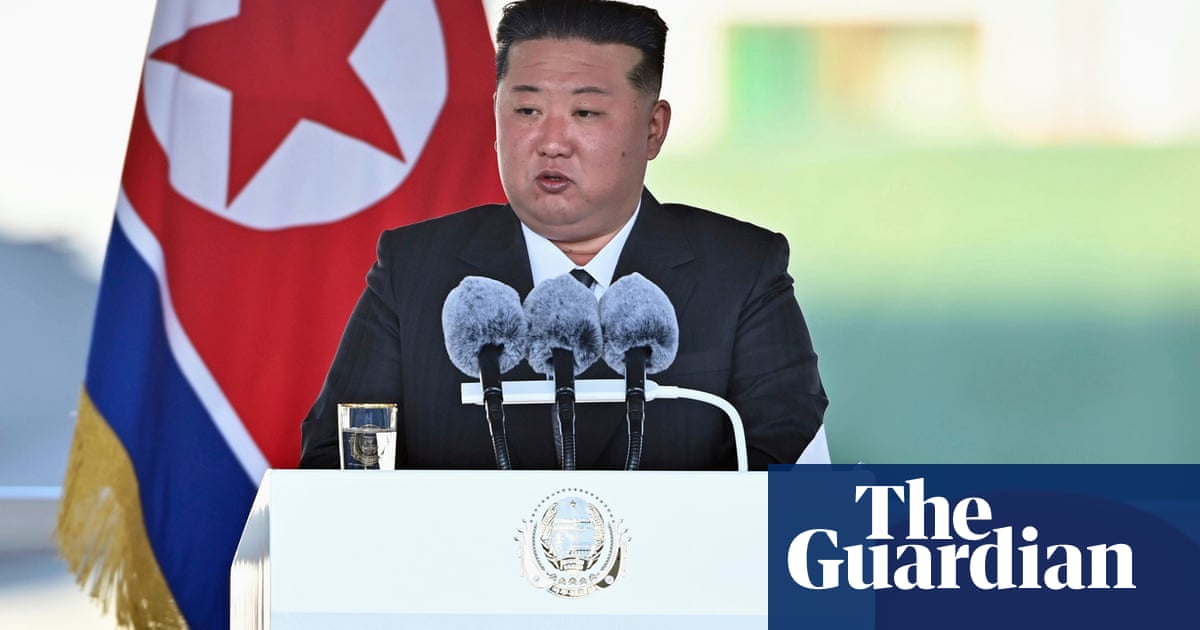
Is North Korea’s burgeoning naval power a sign of strength or a desperate gamble? Recent events, including a mishap at a warship launch [2], offer a critical lens through which to examine North korea’s military ambitions and the future trajectory of Kim Jong-un’s regime. Dive into this analysis to understand the strategic imperatives, technological hurdles, and internal dynamics shaping North Korea’s naval development and its implications for regional stability.
Table of Contents
The recent mishap during the launch of a North Korean destroyer offers a captivating glimpse into the nation’s naval aspirations and the challenges it faces. This incident, far from being an isolated event, highlights broader trends in military development, international relations, and the internal dynamics of the Kim Jong-un regime. Let’s explore the potential future trends emerging from this event.
North Korea’s focus on modernizing it’s navy, as evidenced by the destroyer launch, is not merely about acquiring new hardware. It’s a strategic move. Kim Jong-un has emphasized the importance of strengthening both surface and underwater naval forces. This push aligns with a broader global trend where nations are investing heavily in naval capabilities to project power, secure maritime interests, and deter potential adversaries.
The development of warships, including destroyers and potentially nuclear-powered submarines, signals a desire to expand North Korea’s reach and influence in the region.this ambition is likely to continue, with further investments in shipbuilding, naval technology, and training.
Did you know? North Korea’s naval fleet is relatively small compared to its neighbors, but its focus on advanced weaponry, such as ballistic missiles, makes it a notable threat.
Technological Hurdles and International Cooperation
The launch incident underscores the technological challenges North Korea faces. The “criminal act” described by Kim jong-un points to issues with shipbuilding techniques, quality control, and operational expertise. These challenges are not easily overcome, especially given the contry’s isolation and limited access to advanced technologies.
However, the possibility of Russian assistance, as suggested by some analysts, introduces a critical element.If north Korea is receiving support from Russia, it could accelerate its naval development. This cooperation could involve technology transfer, training, and access to materials. Such collaboration would have significant implications for regional security.
Pro tip: Keep an eye on satellite imagery and intelligence reports to monitor any signs of increased cooperation between north Korea and Russia in the naval domain.
Internal Dynamics and Regime Control
The swift public acknowledgment of the launch failure by the North Korean regime is noteworthy. This transparency, though likely driven by a desire to control the narrative, reveals insights into Kim Jong-un’s leadership style. By addressing the issue head-on, he aims to prevent rumors and maintain control over officials.
This approach suggests a focus on maintaining internal stability and projecting an image of strength, even in the face of setbacks. The incident also highlights the importance of accountability within the regime, with officials facing potential repercussions for the failure.
Reader Question: How might the regime’s response to this incident influence future decision-making within the military and goverment?
Future Trends and Implications
Looking ahead,several trends are likely to shape North Korea’s naval development:
- Increased Investment: Expect continued investment in naval assets,including warships,submarines,and related infrastructure.
- Technological Advancement: North korea will likely seek to acquire advanced technologies through various means, including espionage, illicit procurement, and potential cooperation with countries like Russia.
- Regional Tensions: The expansion of North Korea’s naval capabilities will likely exacerbate tensions in the region, prompting responses from South Korea, Japan, and the United States.
- International Sanctions: The international community will likely maintain and potentially strengthen sanctions to limit North Korea’s access to materials and technologies needed for its military programs.
The future of North Korea’s navy is intertwined with its broader strategic goals, its relationships with other nations, and its ability to overcome technological and economic constraints. The recent launch incident serves as a reminder of the complexities and uncertainties that define the Korean Peninsula.
Stay informed about these developments by subscribing to our newsletter for regular updates and in-depth analysis.
