
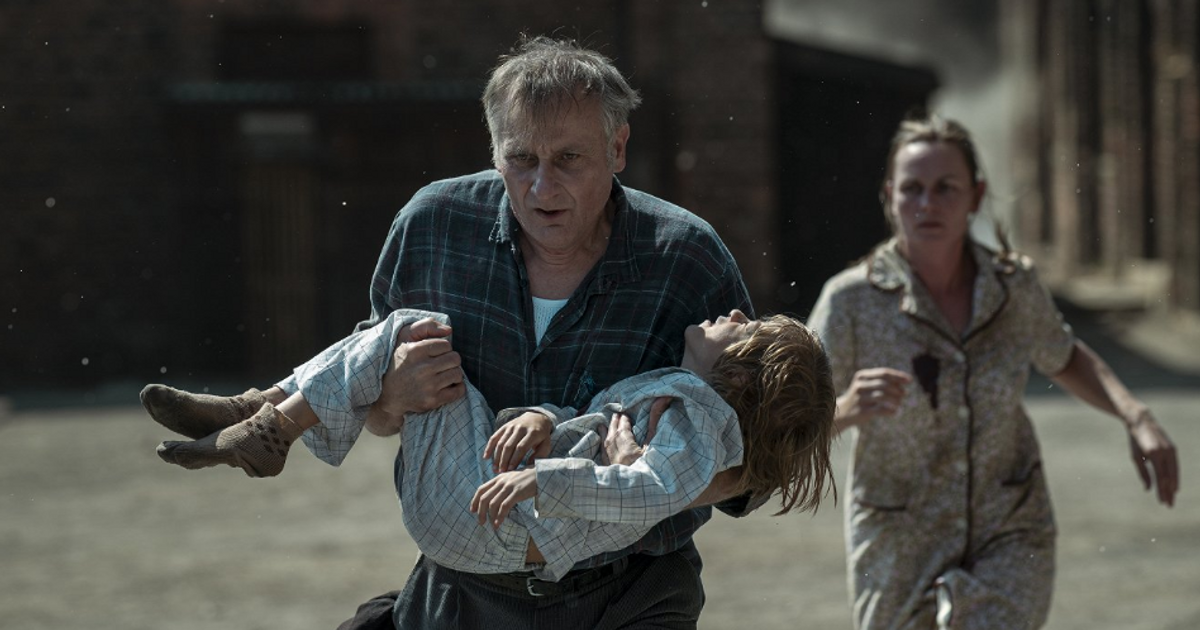
A new Netflix miniseries plunges viewers into a grim world of industrial pollution and a desperate fight for public health. Lead Children, which premiered on March 1, 2026, tells the story of Dr. Jolanta Wadowska-Król, a pediatrician who uncovered a widespread lead poisoning crisis in Poland in the 1970s.
The series doesn’t portray Dr. Wadowska-Król, played by Joanna Kulig, as a fiery activist, but rather as a dedicated professional driven by a growing frustration. She witnesses an alarming number of anemic children falling ill although the government prioritizes appearances ahead of a visit from Soviet leader Leonid Brezhnev.
Driven by her patients’ suffering, Dr. Wadowska-Król begins an independent investigation into the source of the illness, quickly suspecting the local metal plants releasing dangerous emissions. Her pursuit of justice is met with bureaucratic obstacles, police pressure and the fear of local residents who depend on the factory for their livelihoods. Even her husband, a hospital worker, urges caution, fearing repercussions for their family.
A Stark Depiction of Socialist Era Struggles
Director Maciej Pieprzyca and cinematographer Witold Płóciennik employ a desaturated color palette, dominated by shades of gray and brown, to evoke a sense of perpetual autumn and pervasive despair. Moments of intense emotional weight – a boy collapsing during a festival, repeated hospital visits for low hemoglobin, the deaths of newborns – amplify the feeling of hopelessness.
The series underscores the powerlessness of the community with scenes of children drinking contaminated water while, in the background, benches are being repainted in preparation for the important state visit. This jarring contrast between physical decay and political optimism forms the core of the story’s impact.
While aiming for authenticity, the series adapts the story for a global audience, framing it within a narrative structure familiar to viewers of films like Erin Brockovich (2000). This approach, however, sometimes sacrifices historical nuance for the sake of thriller conventions.
The real Jolanta Wadowska-Król’s experience differed from the dramatic portrayal in the series. Her battle with the system unfolded through painstaking research, paperwork, and careful negotiation. The thriller elements and simplified explanations enhance the series’ accessibility but also diminish the complexities of the late socialist era.
Female Solidarity in a Troubled Region
For residents of Silesia, the series presents a potentially sensitive portrayal of the region. It depicts Silesia as a bleak landscape of poverty, with workers portrayed as rough and perpetually intoxicated, living amidst dilapidated buildings. This aesthetic, critics note, reinforces stereotypes of a backward Eastern Europe.
In reality, Polish miners in the 1970s earned significantly more than the national average and had access to luxury goods unavailable elsewhere in the country. Silesian homes were known for their cleanliness, a deliberate attempt to combat the pervasive industrial pollution. The series’ reception in Poland has been mixed, with praise for highlighting a tough historical episode alongside concerns about the continued marginalization and caricature of Silesian culture.
The series particularly shines in its depiction of female relationships. Dr. Wadowska-Król is not alone in her fight; she collaborates with a professor and a determined nurse, each representing a different strategy for survival under a totalitarian regime. While Wadowska-Król drives the investigation, the professor embodies cold calculation, and the nurse represents a deep connection to the local community and empathy for her patients.
This female world stands in stark contrast to the male-dominated world of the factories and political offices. While men focus on production plans and career advancement, women quietly work to save lives – collecting blood samples, falsifying medical reports to secure sanatorium placements for children, and attempting to persuade parents to prioritize their children’s health over their jobs. Through these moral dilemmas and small acts of resistance, the series effectively captures the realities of life under oppression.
Lead Children is a meticulously crafted work with striking visuals, and its global format has brought an important story to a wide audience. However, the streamlining necessary for international appeal sometimes comes at the cost of historical depth and nuance.
