
Heavy rainfall often brings a series of challenges this time of year, including flooding, damage, and mobility issues. Alongside these concerns, public health officials are also warning of an increased risk of leptospirosis, an infectious disease caused by bacteria found primarily in the urine of rodents. The disease can be transmitted to humans through contact with contaminated water or mud.
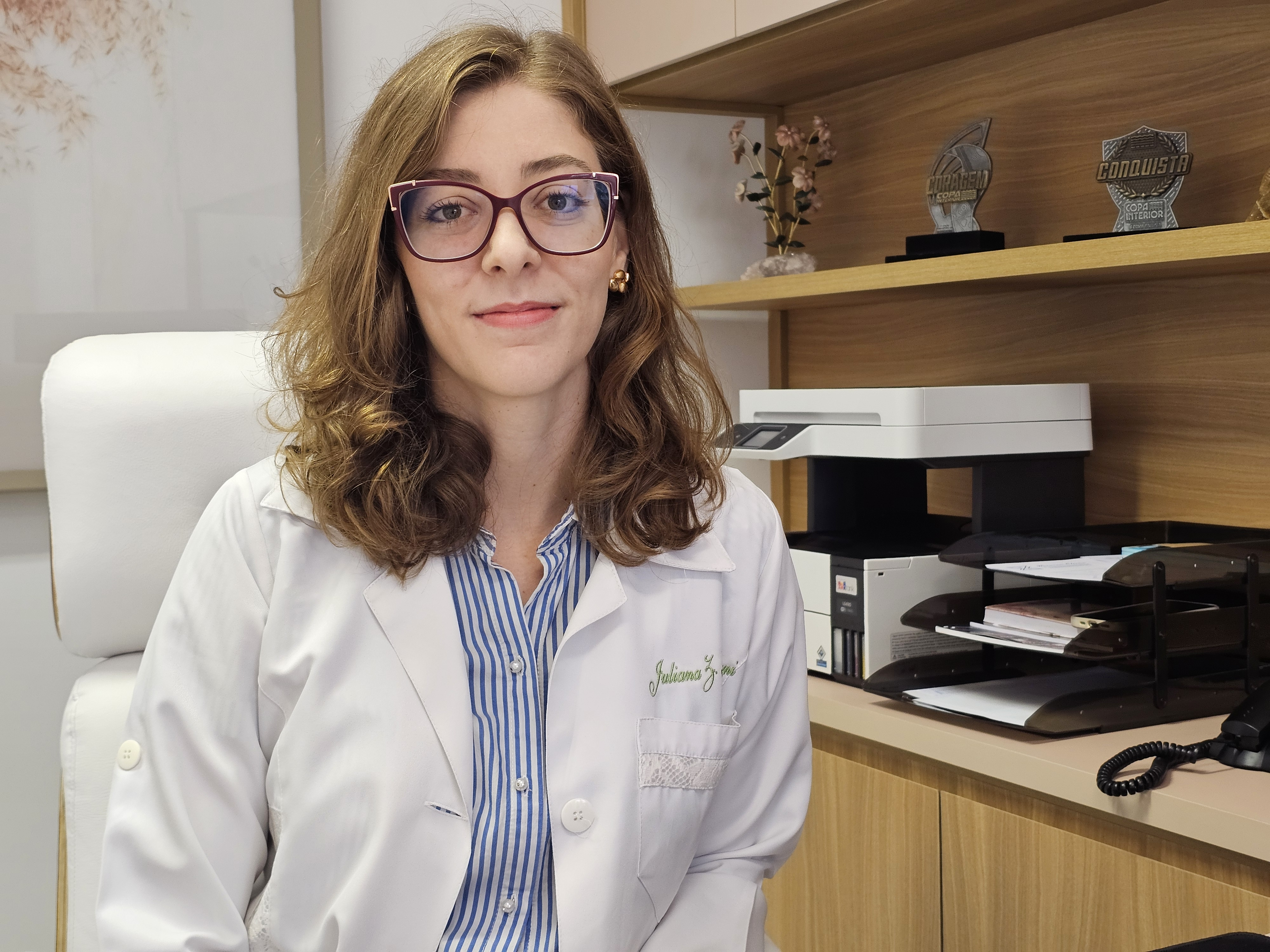
The symptoms of leptospirosis can appear several days after exposure and are often mistaken for other infectious conditions, explains a Family and Community Health physician.
“Initial signs commonly include fever, body aches – particularly in the calves – headache, general malaise, and, in some cases, skin rashes and jaundice, which is a yellowing of the skin and eyes,” the physician said. “Because these symptoms can resemble other infections, it’s crucial for individuals to inform their doctor if they have had contact with floodwater or potentially contaminated areas.”
The incubation period for the disease can range from 1 to 30 days, but symptoms typically appear between the 5th and 15th day after exposure. If left undiagnosed and untreated, leptospirosis can affect vital organs, such as the kidneys and lungs, leading to severe complications.
Treatment should begin as soon as the disease is confirmed or strongly suspected, according to medical professionals. “Treatment primarily involves antibiotics to eliminate the bacteria, but in some cases, clinical support is also necessary. For example, if kidney function is compromised, the patient may require dialysis. In situations with respiratory difficulties, ventilatory support may be needed. The earlier treatment begins, the greater the chances of recovery,” the physician noted.
Prevention remains one of the most important ways to avoid leptospirosis, especially during rainy seasons. Recommended measures include avoiding contact with floodwater or mud, wearing boots and gloves when cleaning flooded areas, properly disposing of garbage, sealing water tanks, and implementing rodent control measures.
Understanding the risks associated with heavy rainfall and taking preventative measures is crucial for protecting public health. Leptospirosis, while treatable, can become serious if left unaddressed, highlighting the importance of awareness and prompt medical attention.
