
A new study from Johns Hopkins University suggests life may be more resilient than previously thought, with implications for understanding the origins of life and planetary protection protocols. Researchers have demonstrated that a hardy bacterium can survive pressures comparable to being ejected from a planet following an asteroid impact.
The research, published today in PNAS Nexus, focused on Deinococcus radiodurans, a bacterium known for its extreme resistance to radiation, cold, and dehydration. The team, led by Lily Zhao, subjected the microbe to intense pressures to simulate the conditions of a planetary ejection. This work builds on the “lithopanspermia” hypothesis – the idea that life can travel between planets via asteroid debris.
The experiment involved firing projectiles at the bacteria at speeds up to 300 mph using a high-tech gas gun. Researchers then assessed the bacteria’s survival rate and examined the genetic material of those that remained. At 1.4 gigapascals of pressure, nearly all the cells survived with minimal damage. Even at 2.4 gigapascals, approximately 60% of the bacterial population persisted, though some ruptured membranes and internal damage were observed.
“We didn’t know what to expect,” said Lily Zhao, the doctoral student at Johns Hopkins University who led the experiments.
K.T. Ramesh, a senior author of the study and an engineer specializing in material behavior under extreme conditions, explained the team’s motivation. “When we started this research, we were interested in what the limits of these organisms are. How far can they push survival, even under extreme conditions?” he said. The findings suggest microorganisms can withstand far more extreme conditions than previously believed.
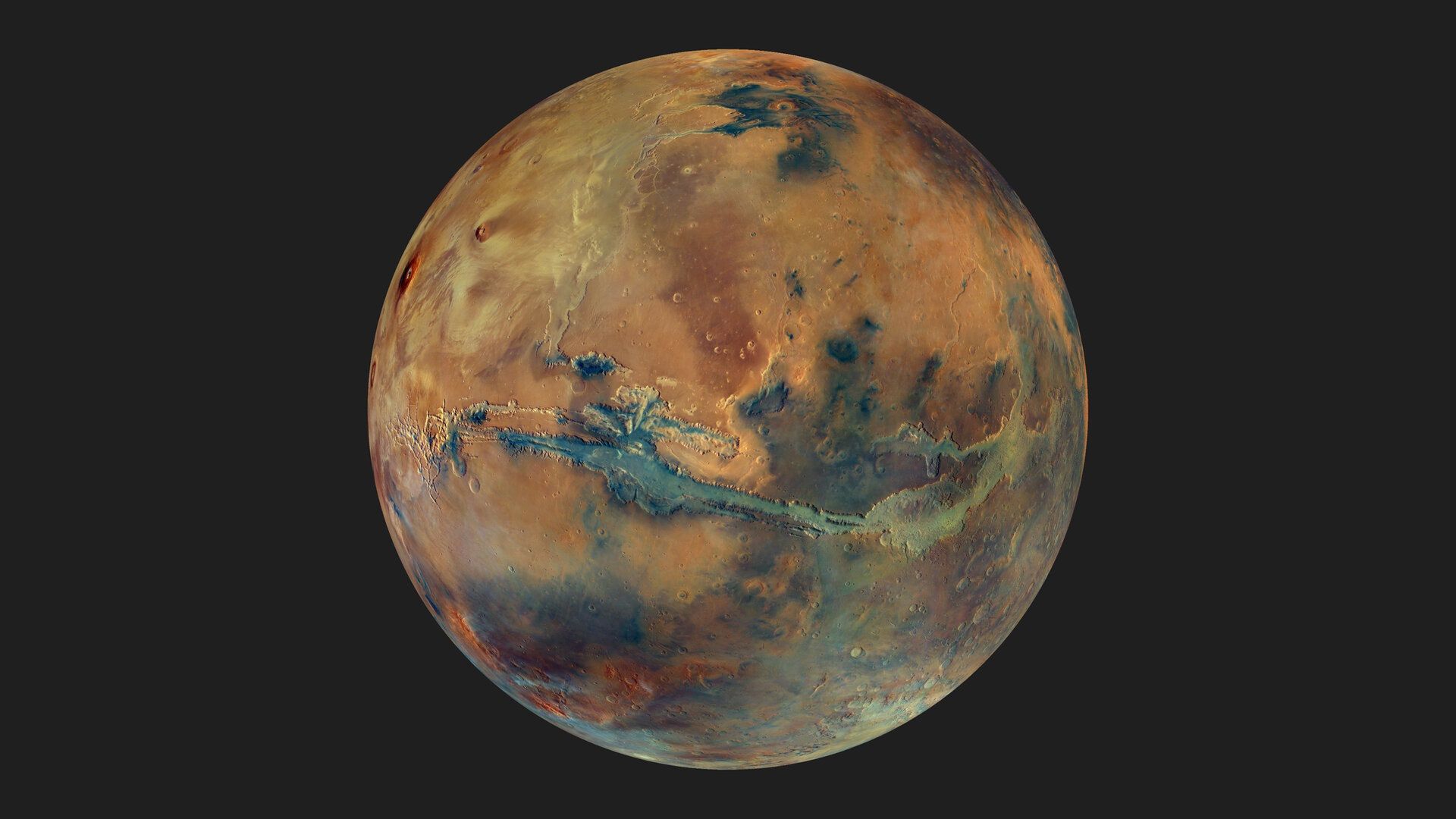
The experiment was designed with Martian conditions in mind, and the bacterium was selected from a harsh desert environment in Chile. However, the results could have broader implications, suggesting that life could potentially survive on asteroids ejected from Earth or other planets, thereby spreading throughout the solar system. This discovery raises questions about whether life on Earth could have originated elsewhere, such as on Mars, which had potentially habitable conditions earlier in its history.
The Johns Hopkins team is now investigating the survival rates of other bacterial species under similar conditions. Researchers emphasize that microbes consistently demonstrate a remarkable ability to adapt and endure. “Every time we look at a new extreme situation – low temperature, dehydration, radiation, high temperature, or high pressure – we find organisms that can handle it,” Ramesh added. This research underscores the potential for life to exist in unexpected places and highlights the need for careful consideration of planetary contamination during space missions.
