
The Glow That Never Sleeps: Rising Light Pollution Threatens Human Health and Biodiversity
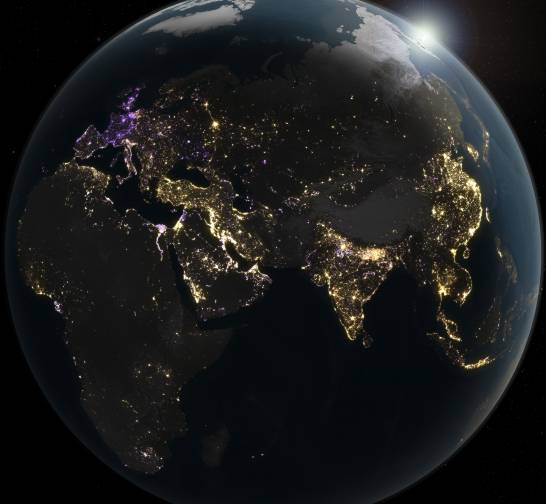
Over the last decade, the apply of nighttime lighting has increased by 16%, contributing to a form of environmental degradation that remains largely overlooked despite being clearly visible from space. This surge in artificial illumination is more than just a visual change; This proves becoming a significant concern for public health and ecological stability.
Satellites are now providing a unique perspective on this phenomenon, capturing what researchers describe as the “heartbeat of society.” By monitoring light patterns from orbit, these systems can differentiate between the intense glow of affluent areas and the sudden blackouts that often signal humanitarian crises. This data transforms light pollution into a metric for measuring societal health and stability.
The impact is particularly evident in the Canary Islands. NASA has released imagery documenting the extensive light pollution affecting Tenerife and Gran Canaria, with observers noting that “we have too much of that light.” This excessive illumination occurs in a region known for its scientific importance, such as the Maspalomas Station on Gran Canaria and the towering Teide stratovolcano on Tenerife.
From a medical perspective, the persistence of artificial light at night is far from harmless. Research into the impact of light on health and biodiversity emphasizes the disruption of circadian rhythms. These internal biological clocks regulate essential functions, and their interference can lead to a variety of health complications for humans and animals alike.
This growing trend of “invisible” pollution underscores an urgent demand to evaluate how urban lighting is managed. The disruption of natural darkness not only affects our ability to see the stars but potentially alters the fundamental biological processes that sustain human wellness and preserve biodiversity.
