
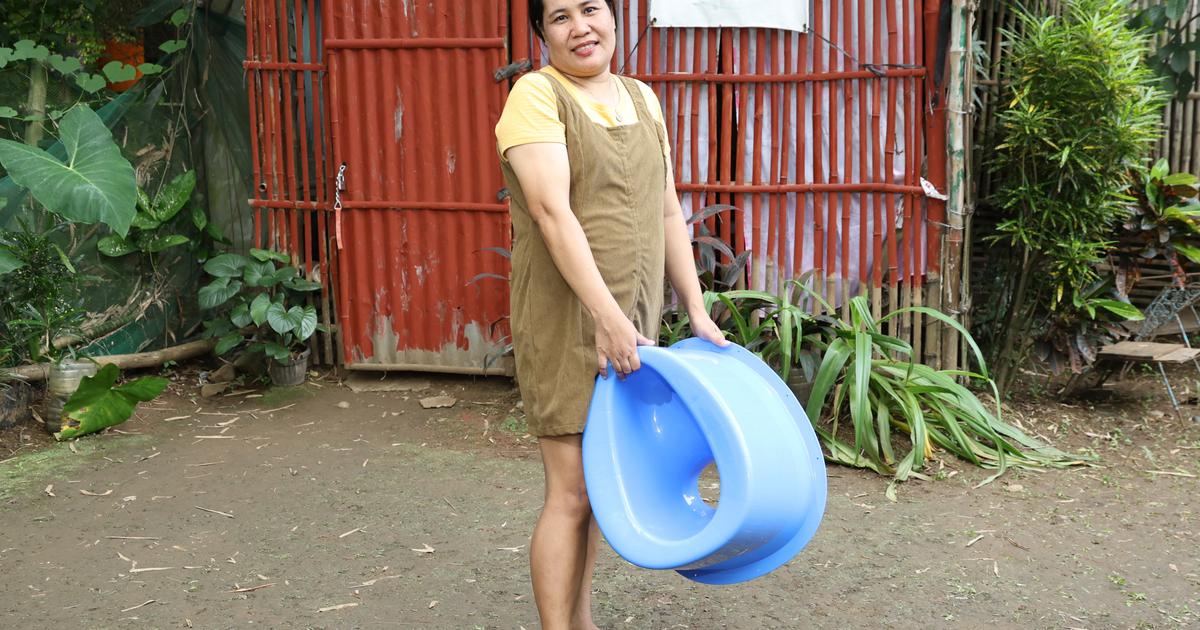
Today, March 22, is World Water Day, a United Nations observance highlighting the critical importance of safe water and sanitation for all. Globally, billions lack access to these basic necessities, a situation with far-reaching consequences for public health, education and economic development. A Japanese manufacturer is attempting to address the issue through a unique business model.
In many parts of the world, a simple trip to the bathroom is a daily struggle. In rural areas of countries like India and Bangladesh, schools often lack adequate sanitation facilities, particularly for girls. This forces students to forgo hydration or to exit school simply to find a safe place to relieve themselves.
Currently, an estimated 3.4 billion people worldwide do not have access to safely managed sanitation, and more than 1,000 young lives are lost each day due to illnesses linked to unsafe water and sanitation. Rather than relying on traditional aid, one company is approaching the problem as a business opportunity. LIXIL, a manufacturer of water and housing products, is working to build sustainable sanitation markets in developing countries.
The company’s “SATO” (Safe Toilet) project, which aims to provide innovative toilet systems to underserved communities, is led by two executives who shared their insights into the challenges and opportunities of social enterprise.
Why SATO is Taking a Business Approach to Social Problems

Many associate aid to developing nations with charitable donations and the provision of free goods. LIXIL deliberately chose to operate as a business. “Single-shot projects or donations stop as soon as the funds and resources run out,” explained Erin McCasker, Executive Officer at LIXIL. “Our goal is to create a mechanism where the region can become self-reliant by ensuring products continue to circulate in the market and continue to create impact.”
To that end, LIXIL launched the SATO social business in 2013.

“At the core of our business is not simply selling and being done with it, but maintaining a ‘Make-Sell-Employ’ cycle,” said Yūsaku Sakata, Asia Regional Leader. “We partner with local manufacturers with manufacturing expertise to produce and sell SATO toilets, and local artisans and plumbers handle the installation. By completing everything within the region, we aim to create a mechanism for economic self-sufficiency and generate employment and income.”
McCasker added that partnerships with cooperating organizations are essential to this model.
“SATO is made of plastic, lightweight and durable, allowing one worker to carry it on a motorcycle to rural areas and install it immediately.
It also provides jobs for young people and women, and we collaborate with UNICEF and NGOs to offer free training programs. So far, over 24,000 people have participated, and in Kenya, women artisans who received training are now leading training for their peers, opening up new pathways.”
The Consequences of Lacking Safe Toilets

“The lack of safe toilets not only affects health, but also deprives women and children of educational opportunities and dignity,” Sakata said, reflecting on the realities he has witnessed in Asia.
During a visit to rural areas of India and Bangladesh, he saw this firsthand.
“When I visited a co-educational elementary school, there were only toilets for boys and teachers. When I asked, ‘What about the girls?’, I was told, ‘They head home or relieve themselves outside.’
I also learned that some students limit their fluid intake to avoid having to use the bathroom. I was shocked. It was a high-temperature region, and there was a high risk of dehydration and illness.”
In response, LIXIL partnered with cooperating organizations to install girls’ toilets after obtaining approval from village chiefs, school principals, and parent-teacher associations.
“The girls were delighted, saying, ‘We don’t have to go home just to use the toilet’ and ‘The new school toilets are safer and more comfortable than the ones at home.’ I realized that improving sanitation facilities can also restore the dignity of children.”
