
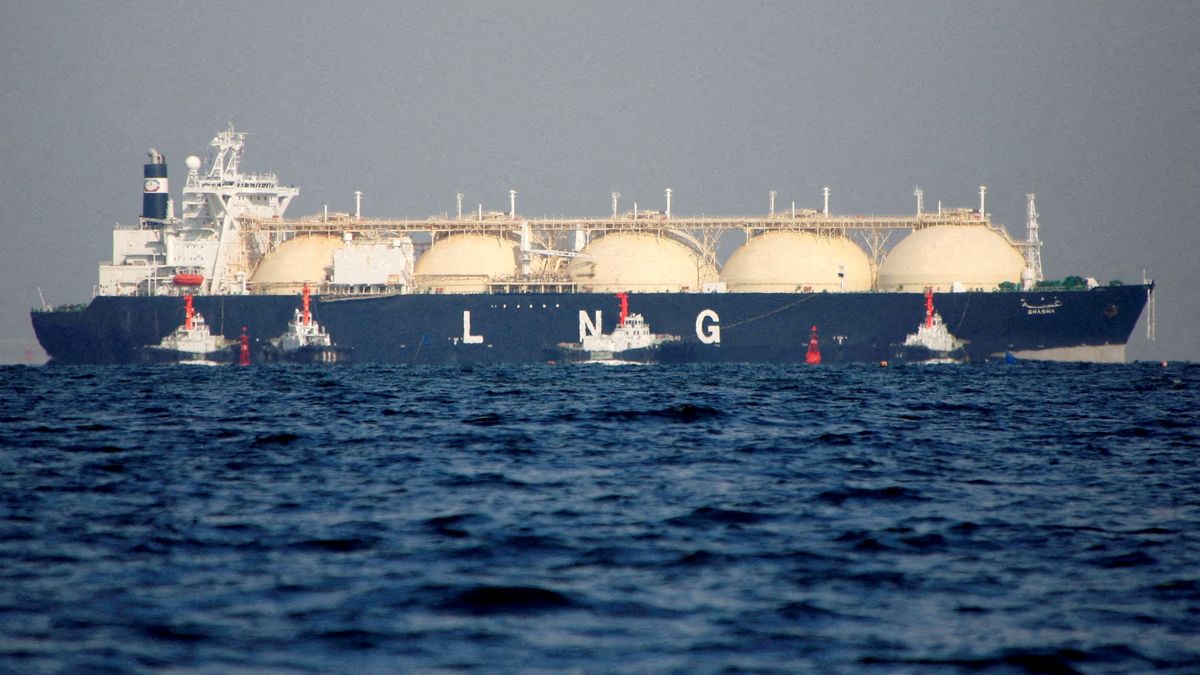
LNG Tanker Rates Double Amidst Escalating Middle East Conflict
Rates for liquefied natural gas (LNG) tankers have surged, doubling within a single day, as owners react to the intensifying conflict in the Middle East. According to reports, owners are now demanding over $200,000 per day for tankers operating in the Atlantic Ocean – a significant increase from the previous day’s rates.
The price hike follows the suspension of LNG production in Qatar due to Iranian attacks. Even as these figures currently represent owner demands and no trades have yet been confirmed at these novel levels, the situation underscores the sensitivity of global energy supply chains to geopolitical instability. The increase in tanker rates signals a potential rise in the cost of LNG transportation, which could ultimately impact consumer prices.
Richard Pratt, a consultant at Precision LNG Consulting LLC, suggested that actual charter rates may not climb as dramatically if production in Qatar and the United Arab Emirates resumes quickly. However, the current uncertainty is driving up asking prices.
QatarEnergy, which paused LNG production on Monday, has not yet specified when it intends to restart operations. The European Union is closely monitoring the situation, having increasingly relied on Qatari gas since 2022 to offset the reduction in Russian supplies following the invasion of Ukraine. In 2024, Qatar was the third-largest LNG supplier to Europe, accounting for 11% of imports.
The conflict in the Middle East is also contributing to rising gas prices in Europe. As of Tuesday, prices reached €56 per megawatt-hour (approximately $1,360), a more than 60% increase since Friday. Similar volatility was last observed during the energy crisis of 2022.
Analysts at Goldman Sachs have warned that a month-long disruption to LNG shipments through the Strait of Hormuz could push European prices up by as much as 130% compared to last week’s levels. Ships operating in the Persian Gulf are also facing increased insurance costs.
Tankers originally bound for Qatar and the United Arab Emirates have been forced to alter their routes, and Israel has also closed some gas fields. This disruption highlights the critical role of the Strait of Hormuz, which handles approximately 20% of global LNG exports, as noted in recent reports.
Michal Kocůrek, project director at the energy consultancy EGU, stated, “We are at the very beginning of a conflict that could escalate gas prices in the coming weeks two- or threefold.” He added that a complete shutdown of Qatari gas supplies is not currently considered likely, but remains a potential risk.
According to reports from Novinky, the current situation is compensable through increased supplies from the United States.
