
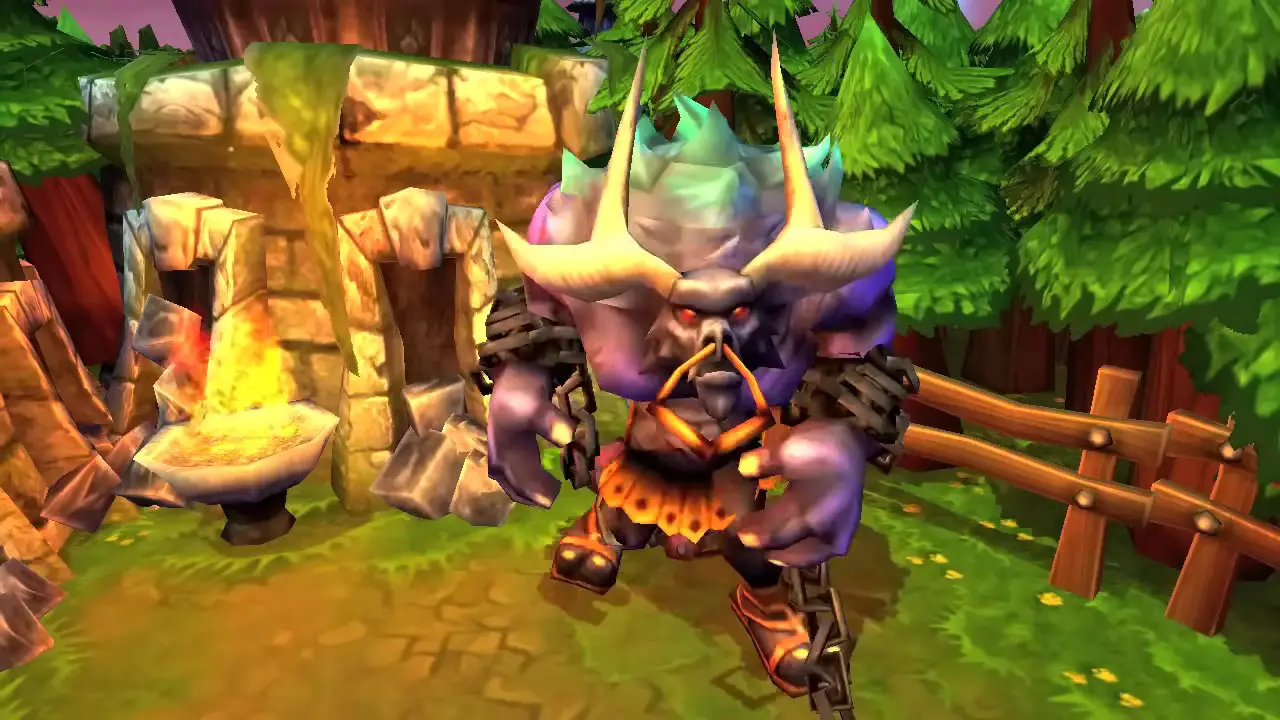
League of Legends has become one of the world’s most popular video games and a hugely influential esport in history. Few likely anticipated this level of success when the official League of Legends trailer debuted in 2009 – a piece of content now considered a valuable artifact in gaming history.
League of Legends officially launched on October 26, 2009, but months prior, Riot Games released a trailer showcasing the upcoming game: a free-to-play MOBA intended to compete with titles like Dota, Heroes of Newerth, and others gaining popularity. However, League of Legends quickly dominated the market.
What’s striking is how much has changed over the years. Revisiting the original League of Legends trailer reveals a stark contrast to the game as it exists today. The trailer features three core champions – Alistar, Fiddlesticks, and Ryze – and showcases the original Summoner’s Rift.
The music and font choices used to display champion names are distinctly of their time. This marked the beginning of League of Legends: Clash of Fates, the initial name for Riot Games’ MOBA, which was similarly released in a physical format with a different lore than what players know today.
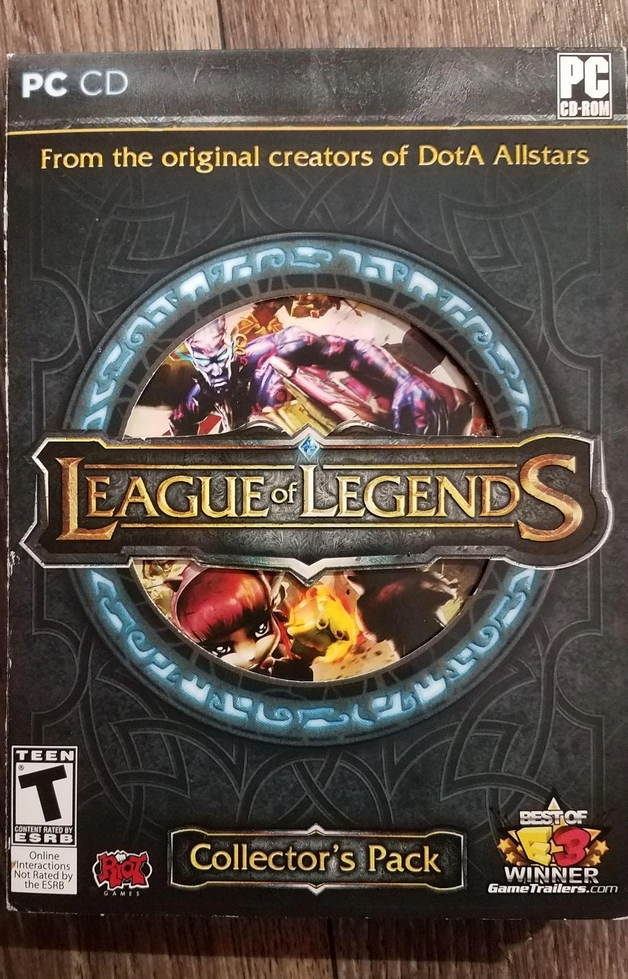
Initially, League of Legends centered around the concept of “invokers” – individuals channeling arcane magic to simulate battles within an arena. Players embodied these invokers and were expected to adhere to a strict code of conduct. While that specific framing has faded, invoker abilities remain a core element of the game.
The Official League of Legends Trailer Changed the Industry
The arrival of League of Legends was a turning point for the gaming industry, ushering in the era of free-to-play games as a service. The game distinguished itself by consistently delivering new content and prioritizing community feedback, with a focus on growth in Europe and North America. This model has since become standard practice for many successful online games.
The game quickly expanded into Asia, and esports rapidly gained prominence, with League of Legends remaining the most important title in the scene for over a decade. To maintain this success, Riot Games has consistently emphasized community engagement and a dedication to the game’s core values.
In 2014, Summoner’s Rift was updated to its current iteration, and next year will see the release of the largest update in League of Legends history, marking another significant milestone for a game poised for longevity – a feat shared by few titles, perhaps only Counter-Strike and Dota.
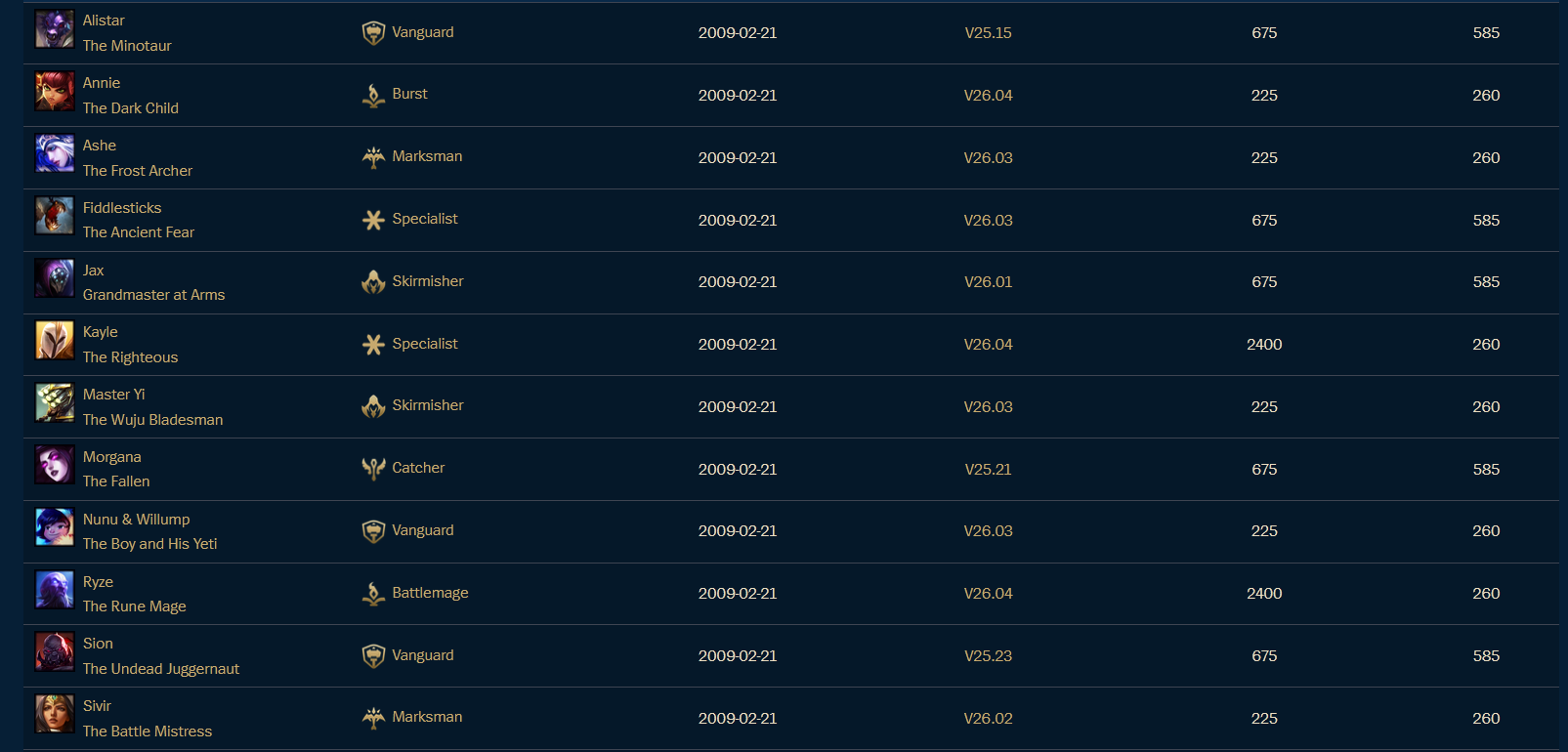
The original game launched with 17 champions: Alistar, Annie, Ashe, Fiddlesticks, Jax, Kayle, Maestro Yi, Morgana, Nunu, Ryze Son, Sivir, Soraka, Teemo, Tristana, Twisted Fate and Warwick. Since then, Riot Games has continued to add champions, bringing the total to 172 playable characters as of 2026.
Everything has changed in League of Legends, but the core essence remains. There may be increased competition, new generations of players, and evolving approaches to gaming, but the game has maintained its magic since the release of the official League of Legends trailer – a moment now cemented in video game and esports history.
Notably, people continue to comment on the trailer video on YouTube, which has amassed over 1.8 million views and was a major success upon its release. Perhaps next year we’ll see a similar response to the “new” League of Legends 2, or League Next.
