
vias metrotranvia lujan de cuyo pueyrredon casas
Photo: Nicolás Rios/Diario UNO
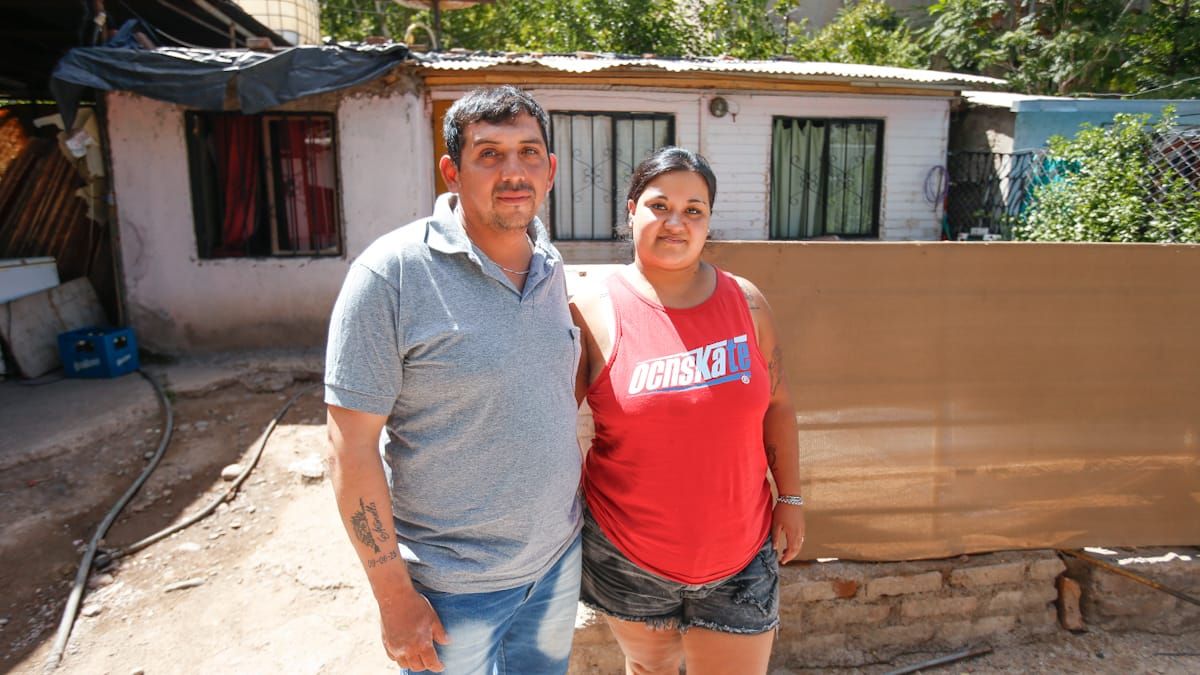
Residents along a planned light rail route in Luján de Cuyo are preparing to relocate, a process that for some families means leaving homes they’ve occupied for over two decades. The upcoming construction is part of an expansion of the Mendoza Metrotranvía system.
Demolishing the Past and Building the Future
For Cristian, the situation is surreal. When demolition and excavation begin, he will be there, helping to dismantle the place where he grew up to make way for a fresh life.
Remarkably, Cristian works for the company installing the gas pipeline that will run directly beneath his current home. The same company will also install the gas network in his future residence. “I still can’t believe how everything is connected,” he admitted.
Cristian metrotranvia obra lujan de cuyo familias
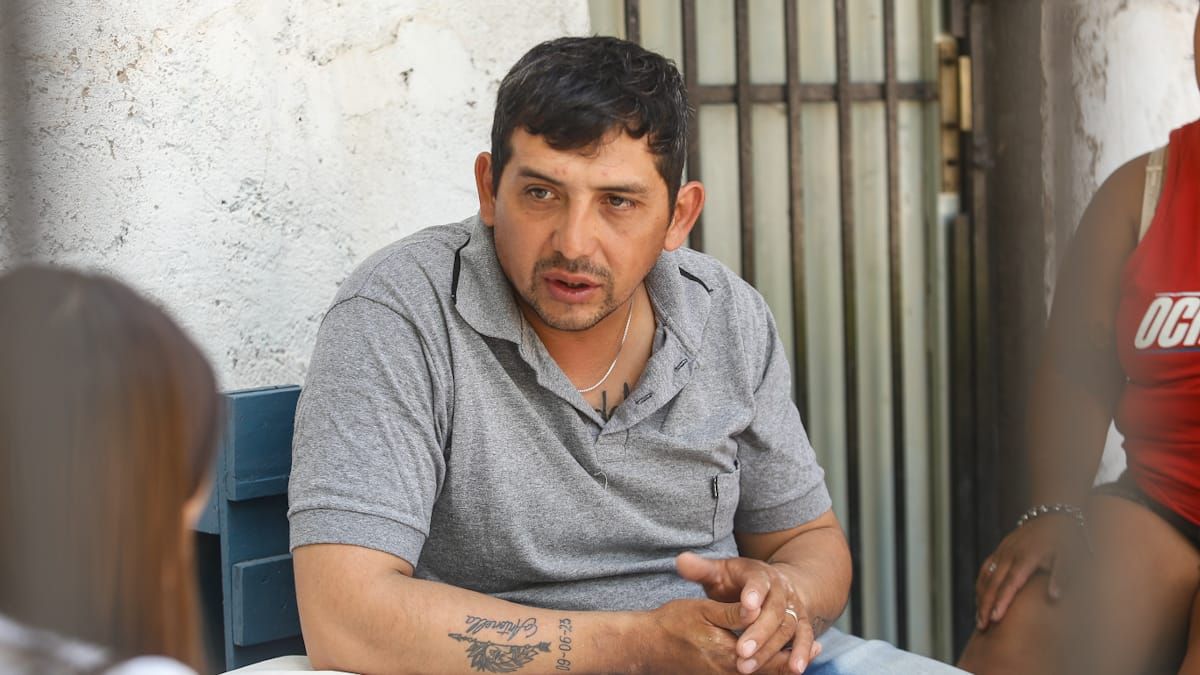
Photo: Nicolás Rios/Diario UNO
His brothers, who run a pool installation business and a catering company, have also worked in the area for decades.
Leaving Home for the Metrotranvía
“On board the Metrotranvía, you will witness places in Luján de Cuyo that even the locals don’t realize,” said Daniel Vilches, president of the Mendoza Transportation Society. The statement echoes comments made by Mayor Esteban Allasino during a recent site visit.
The new route – which in the department will run from Carrodilla to the Faculty of Agricultural Sciences – will run parallel to San Martín Street, crossing through extensive and largely inaccessible land. Along this stretch, which was initially planned to reach Pueyrredón but will now extend another kilometer, live 14 families.
“They built brick, wood, and drywall houses. Quality constructions that received perpetuity ratings,” Vilches explained. But they are located on the rail line, and he said, could never obtain ownership through usucaption.
metrotranvia obra familias lujan de cuyo Cristian antonella susana
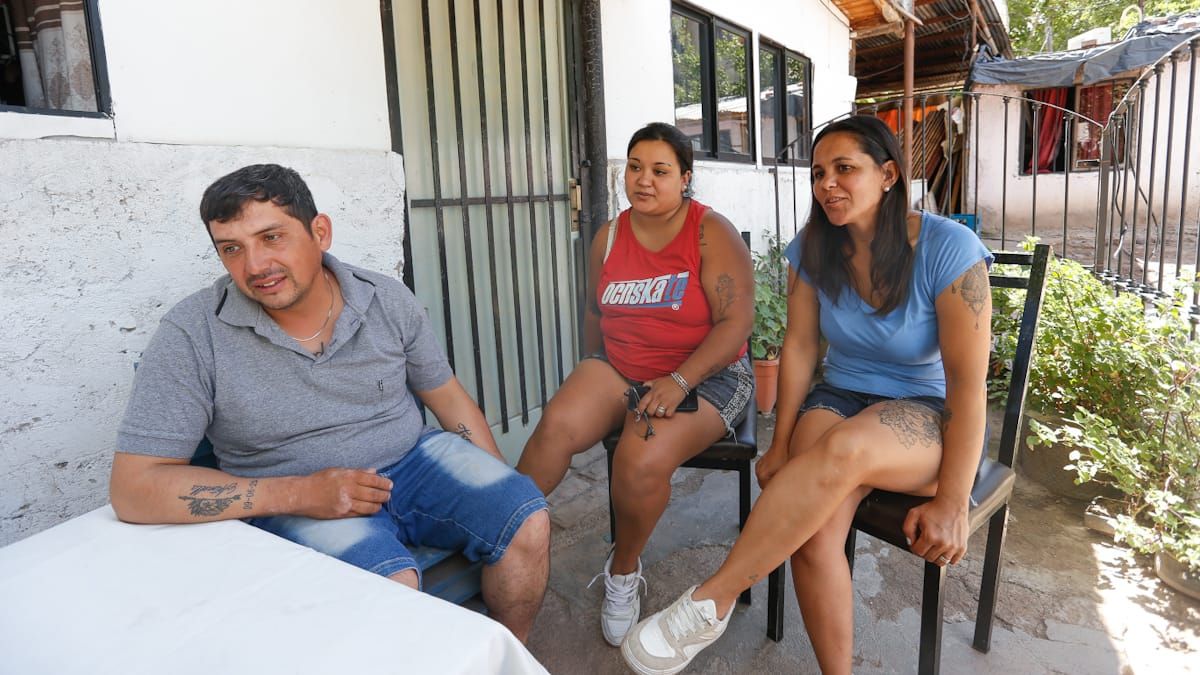
Photo: Nicolás Rios/Diario UNO
They are aware of this. Despite building their homes from scratch in an area that was once sugarcane fields, they do not regret it. “Over the years, we have applied to many housing plans, but meeting the requirements is not easy. We were even scammed by a cooperative. So, although we have mixed feelings, we also think about our future and that of our children,” said Susana.
“You know what it’s like to retire and not have to worry about paying rent?” Susana added with enthusiasm.
vias metrotranvia lujan de cuyo pueyrredon
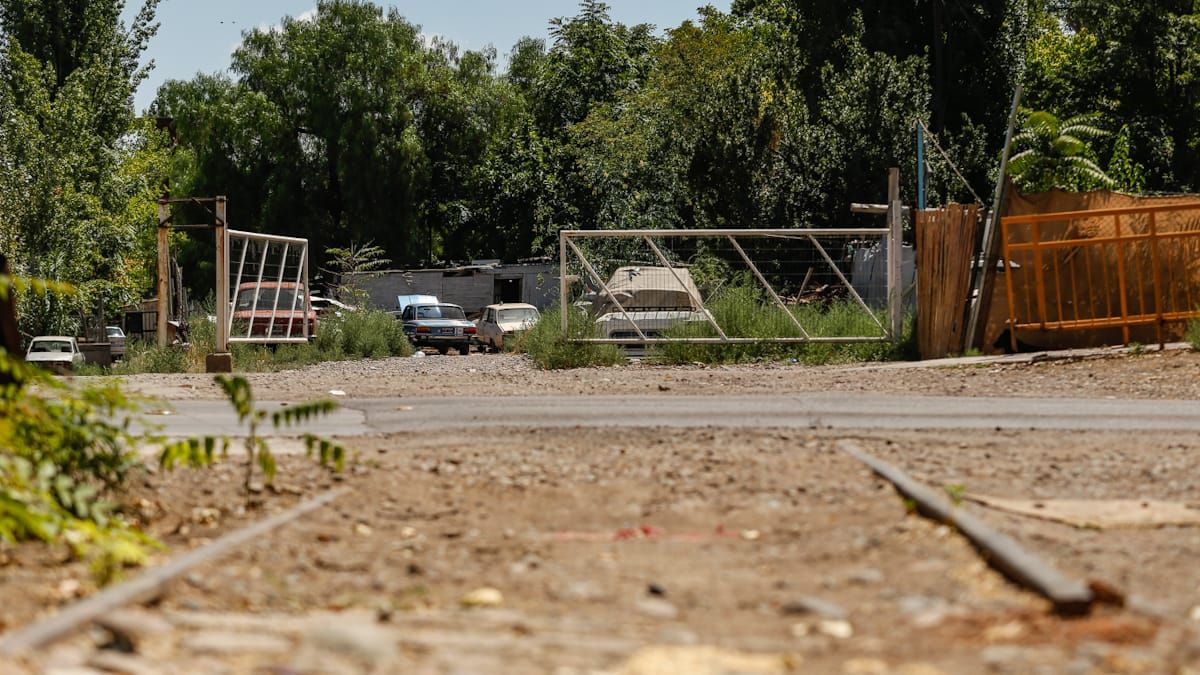
Photo: Nicolás Rios/Diario UNO
Cristian lived with his parents and siblings in the house facing San Martín Street, next to the drugstore on the corner of Pueyrredón, across from Fray Inalican school. He remembers that about 20 years ago, his father gathered them and proposed an idea that would change their lives: “If you’re up for it, let’s clean the land and build your houses. It doesn’t belong to us, it’s risky and maybe someday you’ll have to leave, but if you aim for to, I support you.” And they did.
The Municipality of Luján de Cuyo and the provincial government have surveyed them and the other 14 families several times. They are known in the area, hardworking people, “accustomed to urban function,” described Daniel Vilches, from the STM.
casas ipv lujan de cuyo metrotranvia
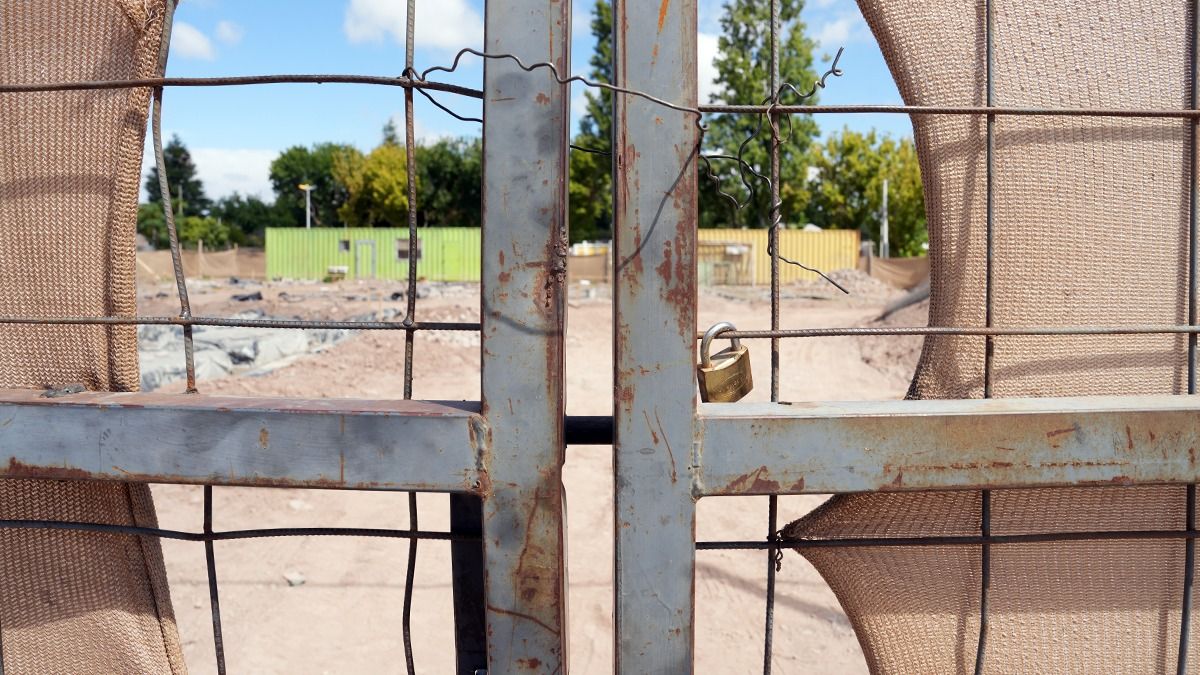
Photo: Martín Pravata/Diario UNO
“We go every weekend to see, between the fabric and the bars, the progress of the houses,” Cristian said with hope.
Since the expansion of the train to the airport and Luján de Cuyo became a reality, these families have begun to imagine their move. The work is progressing rapidly and is already reaching Juan José Paso Street. The move is not far off: “About four months,” officials estimate.
Last Christmas was the last they spent together in their homes. The next one will find them paying the first installment on their IPV housing. “We toasted to that. We all got together knowing it was the last time here. It was a kind of farewell,” Susana said.
“I won’t have to make the trip to Araoz to visit my mom anymore.” Leaving routines, a safe space, and a part of their history requires adaptation and effort. That’s why moving is, in some ways, a grieving process.
And as with any grief, fears about the unknown arise: what will happen now, how to move forward. “The kids are more affected. They ask a lot of questions, they are anxious, worried,” they admit. They also don’t hide their own anxiety.
ipv casas lujan de cuyo metrotranvia mendoza construye
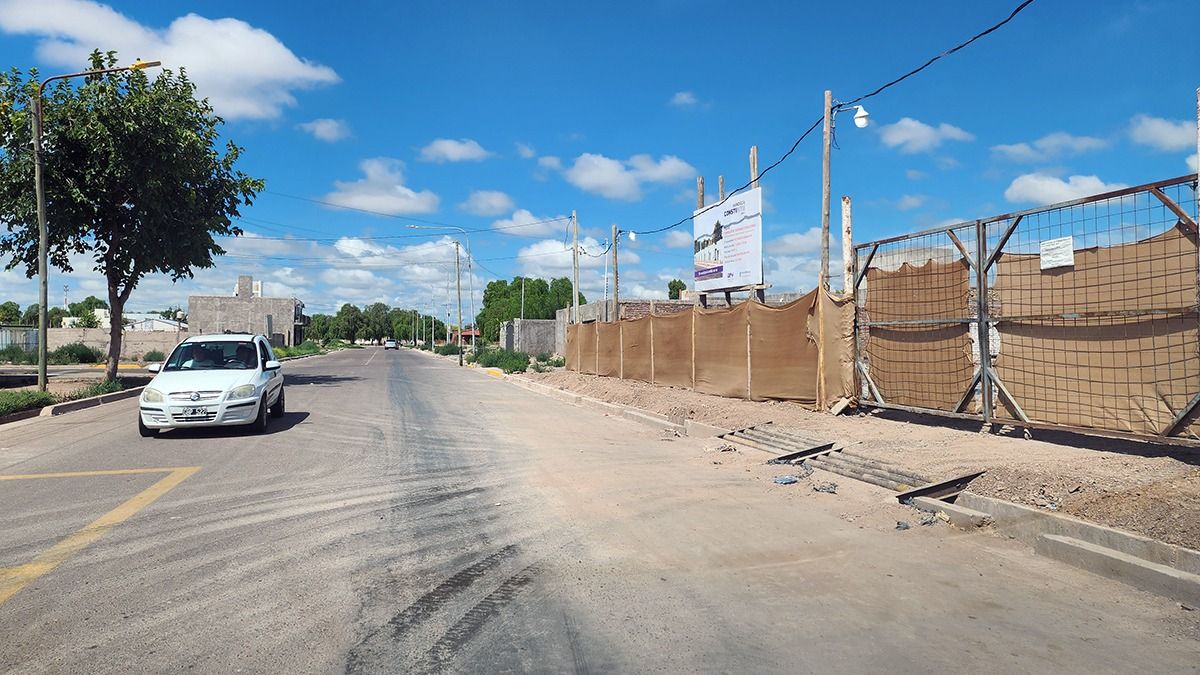
Photo: Martín Pravata/Diario UNO
“We want the neighbors of the new neighborhood to get to know us. We don’t want them to be afraid of us. We are all workers,” Cristian said, hoping for a good coexistence in the future and asking the Municipality to organize a meeting with the Neighborhood Union to formally introduce them.
We walked to the entrance gate. The dog no longer barks. We chatted for a moment longer and said goodbye with the promise to visit them in their new homes. They know that this will be one of the last times they come to this gate, which, with the advance of the Metrotranvía, will only remain in their memories. Antonella becomes emotional again.
