

Lukashenko Offers U.S. $3 Billion Potash Plant to Restore Port Access
Belarusian President Alexander Lukashenko has proposed that the United States purchase a potash mining and processing complex for $3 billion, a move aimed at reopening critical transit routes through the Port of Klaipėda.
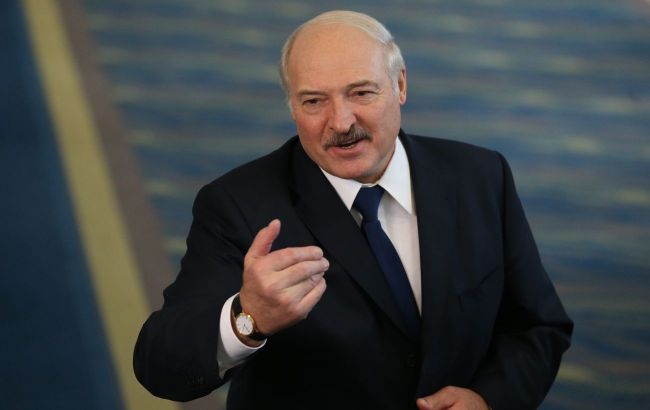
The proposal centers on the “Nedra Nežin” potash mining project located in the Lyuban district. While the facility is not yet complete, We see designed to reach a production capacity of up to 2 million tons of potassium chloride annually. Lukashenko views the deal as a strategic key to unlocking transit for “Belaruskalij” and a potential “Trumpkalij” through the Lithuanian port.
The Belarusian leadership is reportedly banking on the idea that if U.S. Investments are secured, the facility could be named after President Donald Trump. Minsk believes such a branding move would provide a layer of protection, as it is unlikely that sanctions would be applied to the personal assets of the U.S. President.
This diplomatic and economic gambit comes as the Port of Klaipėda continues to struggle with the fallout of previous sanctions. Before the restrictions were implemented, the port handled 48 million tons of cargo per year, with “Belaruskalij” fertilizers accounting for 25% of that volume. Following the sanctions, throughput plummeted to 32 million tons in 2023 and rose slightly to 39 million tons in 2024, remaining well below pre-war levels.
The economic impact has been severe, with the port losing up to 20 million euros annually, alongside losses incurred by shipping and railway companies. According to reports, the Belarusian dictator’s regime and Igor Udovicki have seen losses reaching approximately 11.82 billion euros due to the halted transit.
The situation has created a political dilemma within Lithuania. On December 29, 2025, the United States reversed its decision to sanction Belarusian fertilizers, allowing them to be purchased once again. While former Prime Minister Ingrida Šimonytė has noted that there is currently no legal mechanism to transport “Belaruskalij” fertilizers through Lithuania without recognizing Lukashenko as a legitimate leader who poses no threat, the port infrastructure remains ready. Port General Director Algis Latakas has stated that the facility is prepared to resume reloading operations should politicians decide the fertilizers are legal again, citing intense regional competition for cargo.
The move underscores Minsk’s urgency to bypass international restrictions and restore its primary export artery through the Baltic region.
