
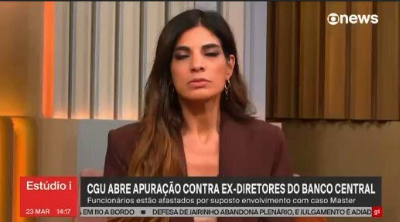
Brazilian journalist Andréia Sadi, of GloboNews, has been identified as the creator of a PowerPoint presentation that placed President Lula and the Workers’ Party (PT) at the center of alleged connections to Master Bank. The analysis was published by Jornal GGN, which is questioning the consistency of the anchor’s explanation following the negative reaction to the material.
According to the report, Sadi’s justification doesn’t clarify the criteria used in constructing the presentation and raises questions about the content’s intent. GGN asserts that an inappropriate mix of legitimate institutional relationships and practices described as “unrepublican” created a confusing and potentially manipulative narrative. The controversy highlights the power of visual media to shape public perception in Brazilian politics.
Mixing Institutional Ties and Suspicion
The analysis points out that a key issue with the PowerPoint was the inclusion of both officials with formal institutional ties and individuals linked to suspicions or accusations within the same diagram. This approach, according to the report, leads to misinterpretations by failing to clearly distinguish the nature of the relationships presented.
The report also notes that Sadi’s explanation referenced Central Bank employees implicated in connections with Daniel Vorcaro, but didn’t address the role of other relevant figures. Specifically, it questions the lack of clarification regarding then-Central Bank President Roberto Campos Neto.
Omissions and Lack of Transparency
GGN points out that the explanation doesn’t answer central questions, such as the inclusion of the PT logo, President Lula, and economist Gabriel Galípolo in the material. The site contends that the apology offered was incomplete and avoided directly addressing the most sensitive elements of the presentation.
Another point raised is the lack of detail regarding the origin of the information used in the PowerPoint, as well as the absence of objective criteria for selecting the names displayed.
Institutional Relationships and Questions
The analysis also mentions the relationship between press coverage and investigations conducted by authorities, suggesting a dynamic of closeness between certain media outlets and institutional bodies. According to the report, this relationship sometimes raises doubts about editorial independence and balanced information dissemination.
the article observes that there was no clarification regarding potential connections between cited individuals and financial institutions, or any potential conflicts of interest involved.
Authorship Confirmed
Despite the identified gaps, the report highlights that the main takeaway from Andréia Sadi’s explanation was her confirmation of authorship of the PowerPoint. The analysis suggests this acknowledgement reinforces the need for greater responsibility in creating content that can influence public perception of political and institutional actors. The incident underscores the importance of media accountability in a rapidly evolving information landscape.
The central criticism from GGN is that, by failing to clarify the most controversial points, the explanation provided doesn’t fulfill its role of correcting potential distortions, leaving doubts about the construction and objectives of the disseminated material.
