
Madrid – Researchers have pinpointed a protein, Capicua, that appears to play a key role in teh development and treatment resistance of lung tumors with specific genetic mutations, offering a potential new target for therapies against this leading cause of cancer death worldwide. The international team, led by scientists at the spanish National Cancer Research Center (CNIO) and published today in EMBO Molecular Medicine, discovered Capicua acts as a natural suppressor, but its function can be overwhelmed by increased copies of the KRAS gene. This finding could lead to more personalized treatment strategies and a better understanding of why some lung cancer patients initially respond to treatment, only to develop resistance.
MADRID, 17 Nov. (EUROPA PRESS) –
Researchers have identified a protein that plays a critical role in the development and treatment resistance of lung tumors with specific genetic mutations. The discovery offers potential new avenues for therapy and personalized medicine in a cancer that remains a significant public health challenge.
A team from the Spanish National Cancer Research Centre (CNIO), the University of Salamanca (USAL), and the University of Salamanca Cancer Research Foundation (FICUS) found that the Capicua protein acts as a natural barrier against the development of tumors driven by mutations in the KRAS and TP53 genes. Their findings were published November 17 in the journal EMBO Molecular Medicine.
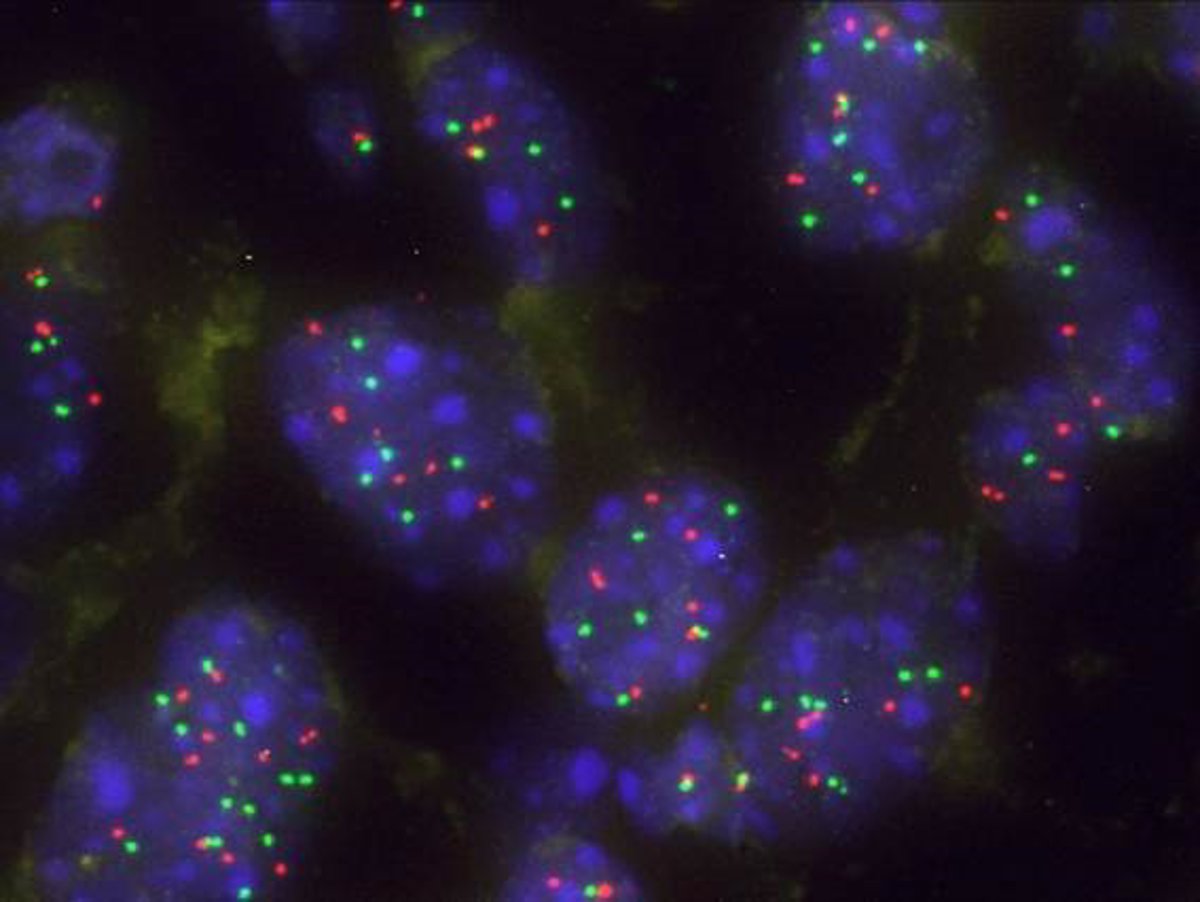
The study demonstrates that Capicua helps prevent the malignant transformation caused by these genetic alterations. However, researchers discovered that lung tumors can overcome this protective mechanism through an increase in copies of the KRAS gene.
“We have discovered that Capicua is much more than a simple actor secondary in the oncogenic pathway of KRAS. It opens new opportunities to intervene in early stages of the disease,” said Matthias Drosten, who leads the laboratory specializing in understanding lung cancer biology and designing targeted treatments. “Once its repressive function is lost, tumor growth accelerates, and resistance to drugs that were previously effective appears.”
The research also suggests that restoring Capicua’s activity or targeting factors that compensate for its loss could reverse tumor growth and restore sensitivity to medications. This is particularly significant as KRAS mutations are responsible for approximately 30% of all human cancers and were, until recently, considered largely untreatable.
While targeted therapies for KRAS-mutated cancers are now available, tumors often develop resistance over time, highlighting the need for new strategies.
To investigate these mechanisms, the team conducted experiments using genetically modified mice to replicate the mutations found in human cancers. These models allowed researchers to study the impact of Capicua loss and KRAS amplification on tumor development and to test potential therapeutic approaches. All animal protocols were approved by relevant ethics committees and adhered to international animal welfare regulations.
The discovery has important implications for patient selection and treatment. Identifying mutations or functional alterations in Capicua could help predict the development of resistance and guide the design of personalized treatment plans based on each tumor’s molecular profile.
“Thanks to the experimental models used in this research, we were able to test drug combinations,” explained Irene Ballesteros-González, the study’s first author. “We have also shown that reactivating Capicua, as well as using specific metabolic inhibitors, can resensitize tumors that are resistant to conventional drugs.”
The findings underscore the importance of multidisciplinary research and advanced experimental models in unraveling the mechanisms of tumor resistance and progression.
The study was primarily funded by the Spanish Ministry of Science, Innovation and Universities through the State Research Agency, the Spanish Association Against Cancer Scientific Foundation, the Carlos III Health Institute, the Community of Madrid, and the European Research Council (ERC).
