
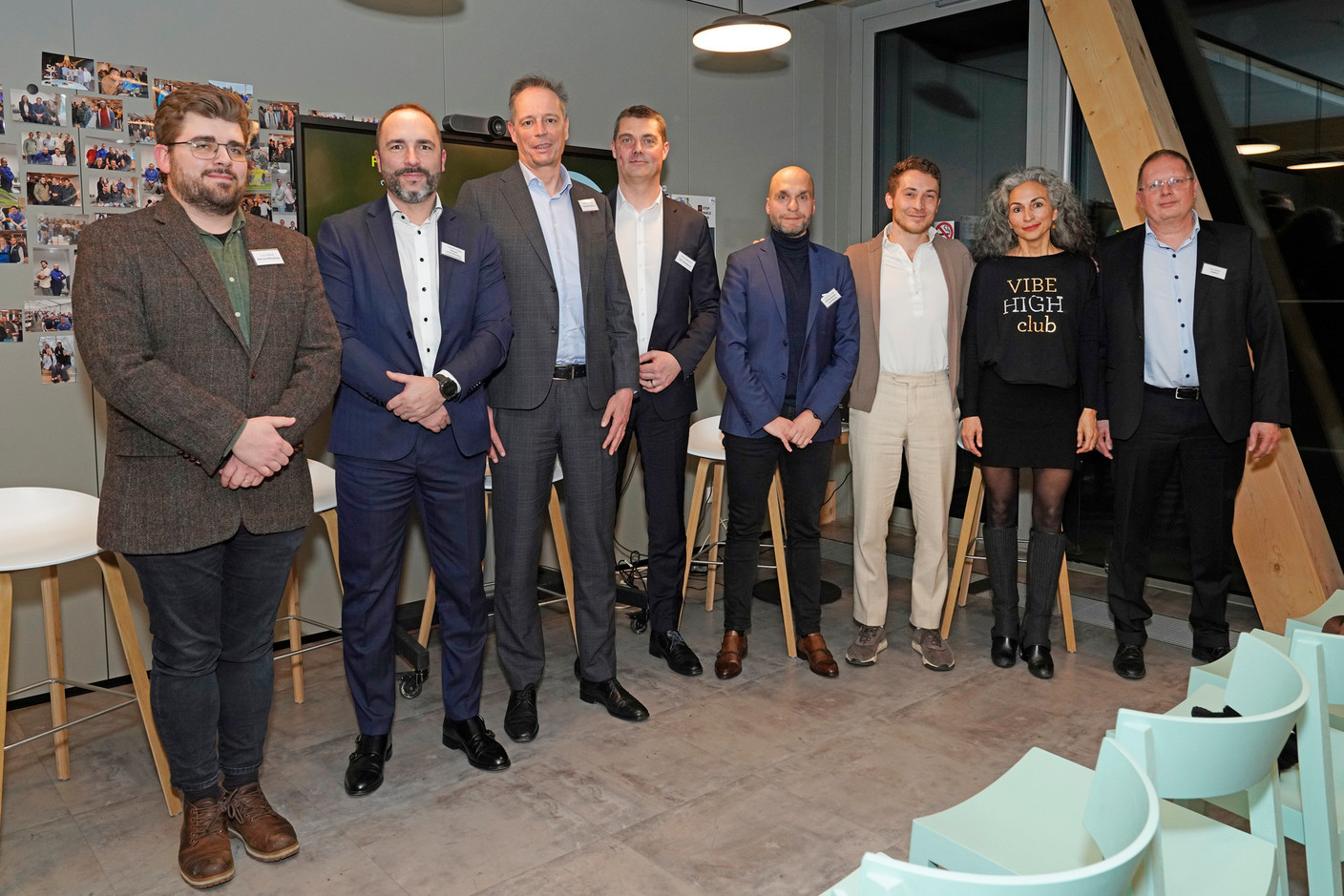
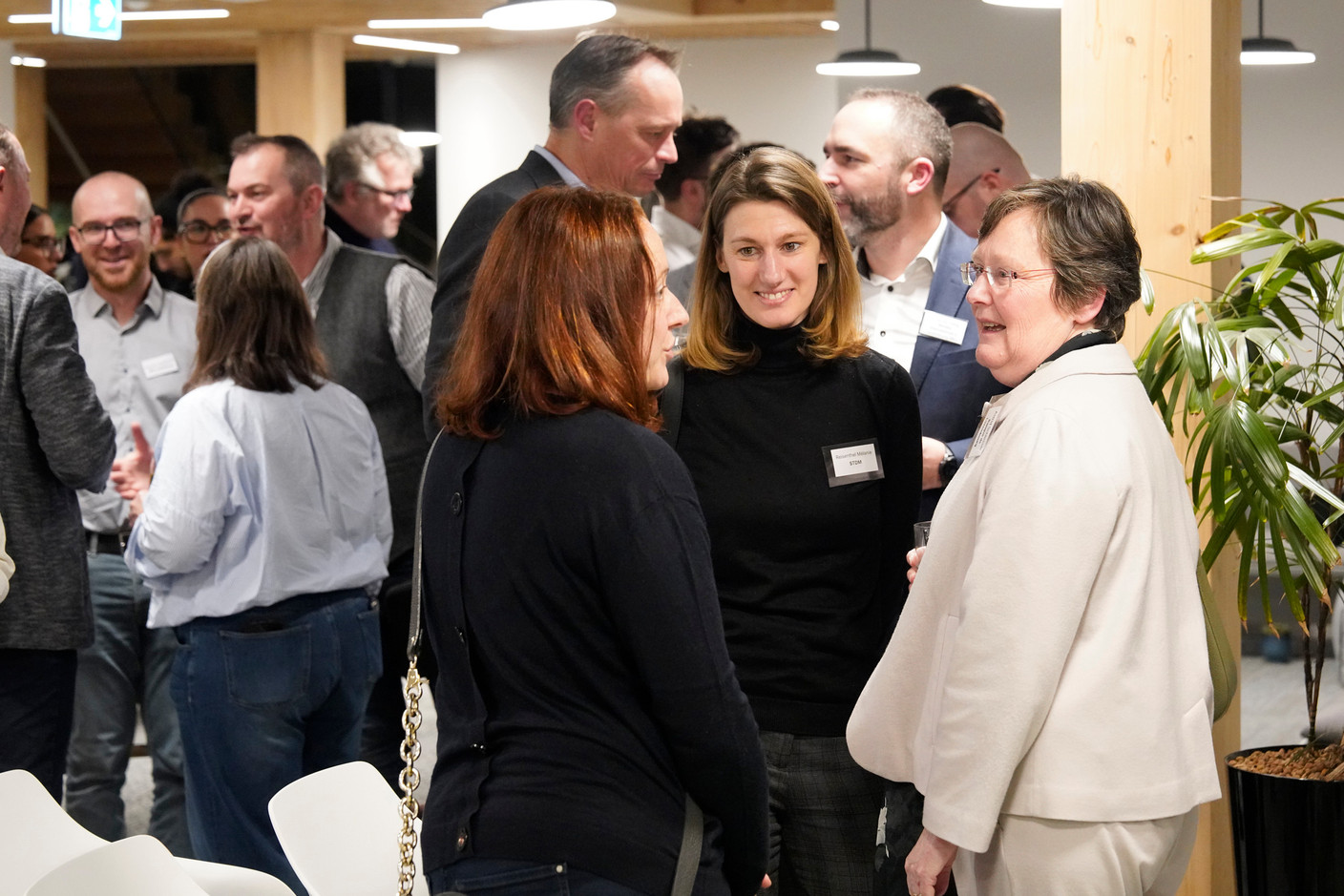
Luxembourg’s real estate sector is undergoing a significant reassessment, driven by economic headwinds and a growing focus on sustainability, according to discussions at a recent conference hosted by EightySeven in Leudelange on February 12, 2026. The event brought together industry professionals and institutional stakeholders to address challenges including rising interest rates, material costs, and investor hesitancy.
Participants, including representatives from the City of Luxembourg, the City of Differdange, PwC Luxembourg, Fonds Kirchberg, Banque Internationale à Luxembourg (BIL), and Colliers, largely agreed on the need to rethink traditional real estate models. A key theme was the imperative to decarbonize, industrialize, and address energy concerns while accommodating a growing global population. This conversation comes as the Luxembourg real estate market navigates a period of uncertainty, prompting a search for innovative solutions.
The discussions revealed a surprisingly robust landscape of potential solutions. Attendees noted a database containing approximately 8,000 solutions – out of an estimated 10,000 available – with a significant 3,500 based in Europe, establishing the continent as a leading hub for real estate innovation.
Innovation Across the Value Chain
Innovation in 2026 spans the entire real estate value chain, encompassing artificial intelligence, robotics, software, hardware, low-tech solutions, modular construction, and new business models. Europe boasts several leading innovation hubs, including London, Paris, Berlin, and San Francisco.
The sector has seen a surge in established companies, with approximately 3,000 solutions providers employing between 11 and 50 people, and 1,200 employing between 51 and 200. This indicates a maturing innovation ecosystem, moving beyond early-stage startups. Approximately 900 solutions directly address Environmental, Social, and Governance (ESG) criteria, assisting architects, engineers, and developers in measuring and improving their impact.
Networking and Collective Intelligence
EightySeven presented an ecosystem focused on fostering collaboration, including a membership platform, community events, fundraising support, and strategic consulting for large corporations. The model is built around a social network-style platform, approximately fifteen events annually, and acceleration programs for startups.
The organization plans to expand into Belgium, the Czech Republic, Spain, and Portugal, following its launch in Luxembourg. In 2025, the platform facilitated over 1,400 participant connections and saw monthly usage by at least 60% of its members, with 20% logging in weekly. This highlights the growing importance of networking during times of economic uncertainty.
Commercial office occupancy rates have stabilized after an initial dip and partial recovery, indicating an active market. Demand remains strong in the industrial and logistics sectors, though constrained supply is driving up rental costs.
Residential markets are currently experiencing the most pronounced effects of the crisis, with activity declining as interest rates rise and rebounding as conditions ease. In the existing property market, prices are stabilizing as buyers and sellers reach a consensus.
However, the “Vefa” (future sale with completion) market presents a paradox: volumes are increasing even as prices rise, attributed to public sector acquisitions providing countercyclical support while private investment remains subdued. A key concern is preventing a domino effect involving developers and banks.
Investor Confidence
Attendees unanimously agreed that a sustainable new-build market requires investor participation, which has been eroded by the current crisis. Buyers are now more informed and cautious, demanding advanced construction stages, developers with proven track records, and transparent guarantees. Potential solutions discussed included partial public guarantees and financing secured until structural completion.
The question of separating land ownership from building rights was too raised, with the “emphytéosis” model – a long-term leasehold – advocated as a tool to curb speculation and enhance affordability. Banks expressed openness to this approach, contingent on factors such as mortgage ranking, regulatory treatment, resale liquidity, and exit mechanisms.
Underlying the discussion was a cultural observation: in Luxembourg, as in many other places, land remains a safe haven asset and a vehicle for wealth transfer.
While “emphytéosis” is gaining traction, it currently lacks the appeal of traditional land ownership.
The Role of Concrete
Discussions on limiting new concrete construction by 2030 underscored the importance of considering the specific properties of each material. Foundations, infrastructure, and compression applications continue to require concrete, but decarbonization efforts should focus on optimization, hybridization, and avoiding overly complex technical solutions that do not add value.
The feasibility of mandating reversible buildings at the design stage was debated, with participants highlighting administrative complexities related to dual-use permits, co-ownership regulations, and operational constraints.
The event concluded with several suggestions, including expanding access to financing options (bonds, funds, diversified vehicles) beyond professional investors, rethinking operational urban planning – particularly for multi-owner projects – and reviving “rent-to-buy” schemes and real estate leasing, contingent on resolving double registration tax issues.
The crisis has marked a turning point, moving away from a period where “everything sold before the first shovel hit the ground.” The next chapter remains to be written, but will undoubtedly be guided by a focus on evidence-based decision-making and increased collaboration.
