
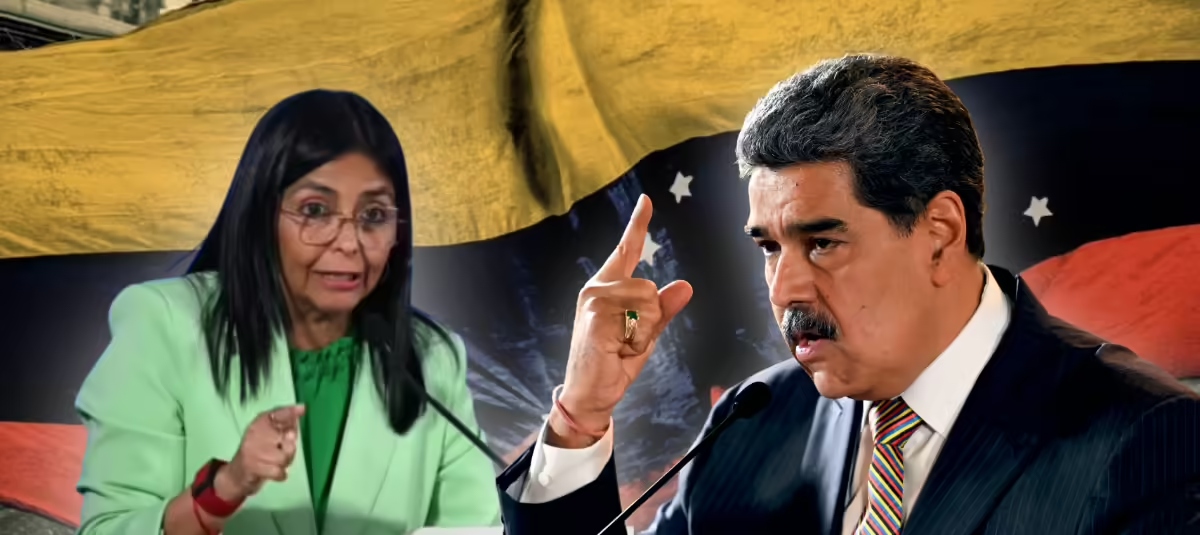
Nearly two months have passed since Nicolás Maduro and his wife, Cilia Flores, were taken into custody in Fresh York City, following a military operation authorized by President Donald Trump that culminated in their January 3rd arrest in Caracas. The detention marks a significant shift in U.S. Policy toward Venezuela.
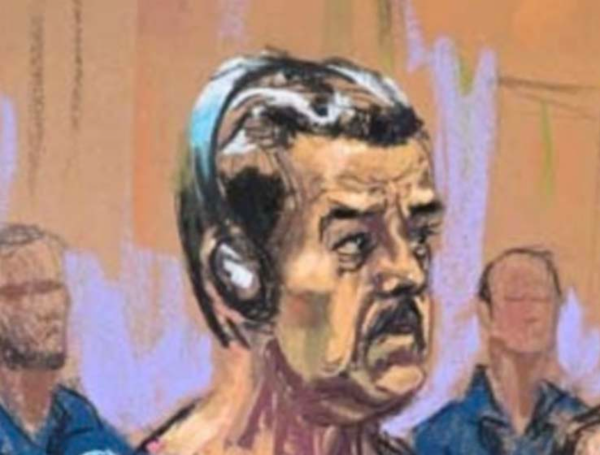
The former Venezuelan leader was transported to U.S. Territory and arraigned before a federal judge in Brooklyn on narcotics trafficking charges.
The operation brought an end to thirteen years of Maduro’s rule, and, according to reporting from The New York Times, followed weeks of escalating tensions, diplomatic warnings, and military movements in the Caribbean.
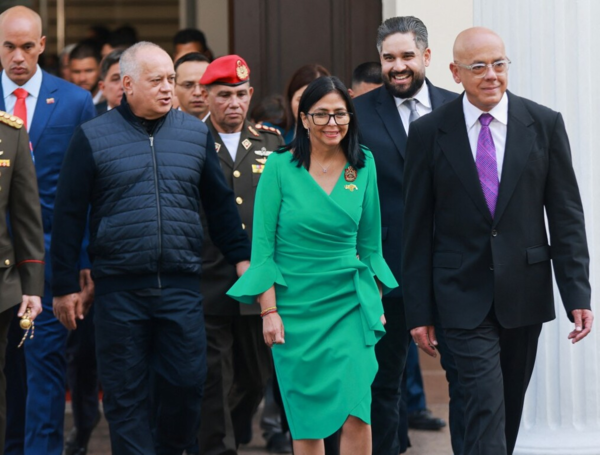
As a fleet of U.S. Warships and combat aircraft positioned themselves off Venezuela’s coast, the Pentagon had reportedly developed plans to capture Maduro. Despite this mounting pressure, sources indicated that Maduro believed as late as late 2025 that a negotiated resolution or delay was still possible.
The New York Times’ reporting, based on interviews with approximately ten high-ranking officials, friends, and allies of Maduro, as well as sources within the White House, paints a picture of an administration grappling with external pressures and internal divisions.
What Did Nicolás Maduro Think of Delcy Rodríguez and Diosdado Cabello?
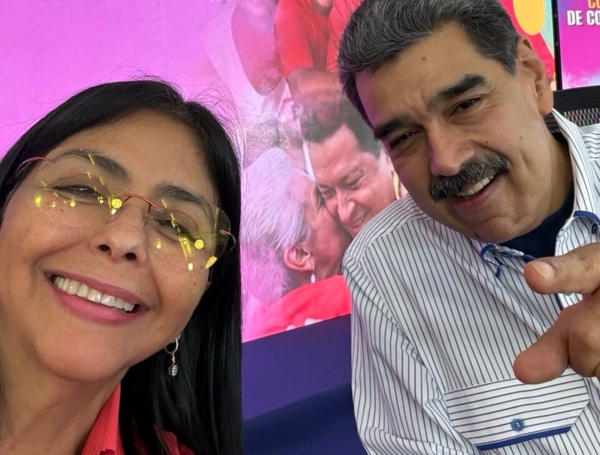
Amidst the increasing military and diplomatic pressure on Venezuela, internal fractures within the nation became more apparent. These divisions reportedly stemmed from Maduro’s decision to disregard the results of the 2024 elections.
According to the report, external threats from the United States led Maduro to increasingly rely on hardline factions within his party, led by Interior Minister Diosdado Cabello, who advocated for greater internal repression to maintain power and increased state control over the economy.
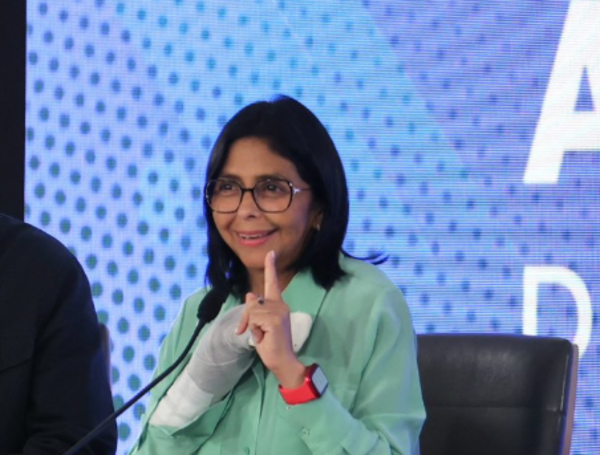
At the same time, Maduro reportedly began to “distrust” his executive vice president, Delcy Rodríguez.
Sources cited by the newspaper indicated that she had consolidated “her control over the national treasury, sidelining her rivals and pushing for economic liberalization.” Despite Rodríguez simultaneously holding the positions of executive vice president, minister of Petroleum, and minister of Finance – concentrating strategic areas amid sanctions and declining revenue – some sources indicated that Maduro had even considered dismissing her.
Those sources, speaking on condition of anonymity, noted that Maduro “knew he needed Rodríguez’s experience in management to keep the besieged economy afloat.” This internal tension existed alongside the demand to sustain the state’s financial structure amid the oil blockade and the risk of collapse in the energy industry.
How Did Nicolás Maduro Spend New Year’s Eve and What Did He Think of Donald Trump?

The North American media outlet also reported that Maduro rang in the new year with a private celebration in Caracas. According to sources, he shared *hallacas* and *pan de jamón* with family and friends, and listened to traditional *gaitas*. He even sent “Happy New Year to you and your family” messages to high-ranking officials the following day.
Around the same time, the Pentagon confirmed it was finalizing details of the operation, which had been scheduled after multiple occasions and meetings where agreements were sought.
One such meeting occurred on November 21st, when Maduro held his only known direct conversation with Trump. The Times reported that the call lasted between five and ten minutes.
According to four people familiar with the conversation, Trump told Maduro, “You have a strong voice,” to which the Venezuelan leader jokingly replied, through a translator, that he would be even more impressed if he saw him in person, properly showered and dressed. The conversation concluded without agreements or explicit threats, but was interpreted differently by both sides.
According to the newspaper, Maduro interpreted the cordial tone as a sign that an immediate attack was unlikely and that there was room for negotiation. Trump, however, believed that his counterpart was not taking the demand to relinquish power seriously.
Days later, another message was delivered in person by Brazilian businessman Joesley Batista, who had met with Secretary of State Marco Rubio. The newspaper indicated that the official had made it clear that the United States wanted the Venezuelan leader to reach an agreement and leave the country. When Maduro heard the warning, he interpreted it as an ultimatum and dismissed the threat.
Instead, the leader intensified public appearances, dancing and chanting slogans. One such instance was a video in which Maduro sang “Please, please, please: yes to peace, no to war.” According to a White House source familiar with the reaction in Washington, Trump was annoyed when he saw a recording of these scenes and considered it a mockery.
The White House’s final offer was transmitted on December 23rd, when, according to The New York Times, through the mediation of Turkey, Nicolás Maduro was informed that the United States would not prosecute him or confiscate his assets if he agreed to step down and leave the country.
The message was part of an ultimatum before the military operation and sought a negotiated solution to avoid a major escalation, but Maduro rejected it, paving the way for the final preparations for the attack that would be carried out days later, according to the newspaper.
Following the proposal, it was reported that Maduro reduced social gatherings and limited travel to avoid being detected by satellites or “spy” aircraft, spending more time under the protection of a reduced contingent of the Presidential Guard.
Despite these measures, in the early hours of January 3rd, U.S. Military aircraft crossed Venezuelan airspace, attacked strategic bases, and captured the official leader and his wife.
