
Health officials have confirmed the first case of measles in Brazil this year. The patient is a 6-month-old infant from São Paulo who traveled to Bolivia.
According to the São Paulo State Department of Health, the child had not been vaccinated and was in the neighboring country in January. The case was reported in February and confirmed through laboratory tests.
Last year, the state recorded two imported cases of measles, meaning the individuals contracted the disease whereas traveling abroad. Nationwide, Brazil confirmed 38 cases of measles in 2025, with the majority – 25 – occurring in Tocantins.
Vaccination
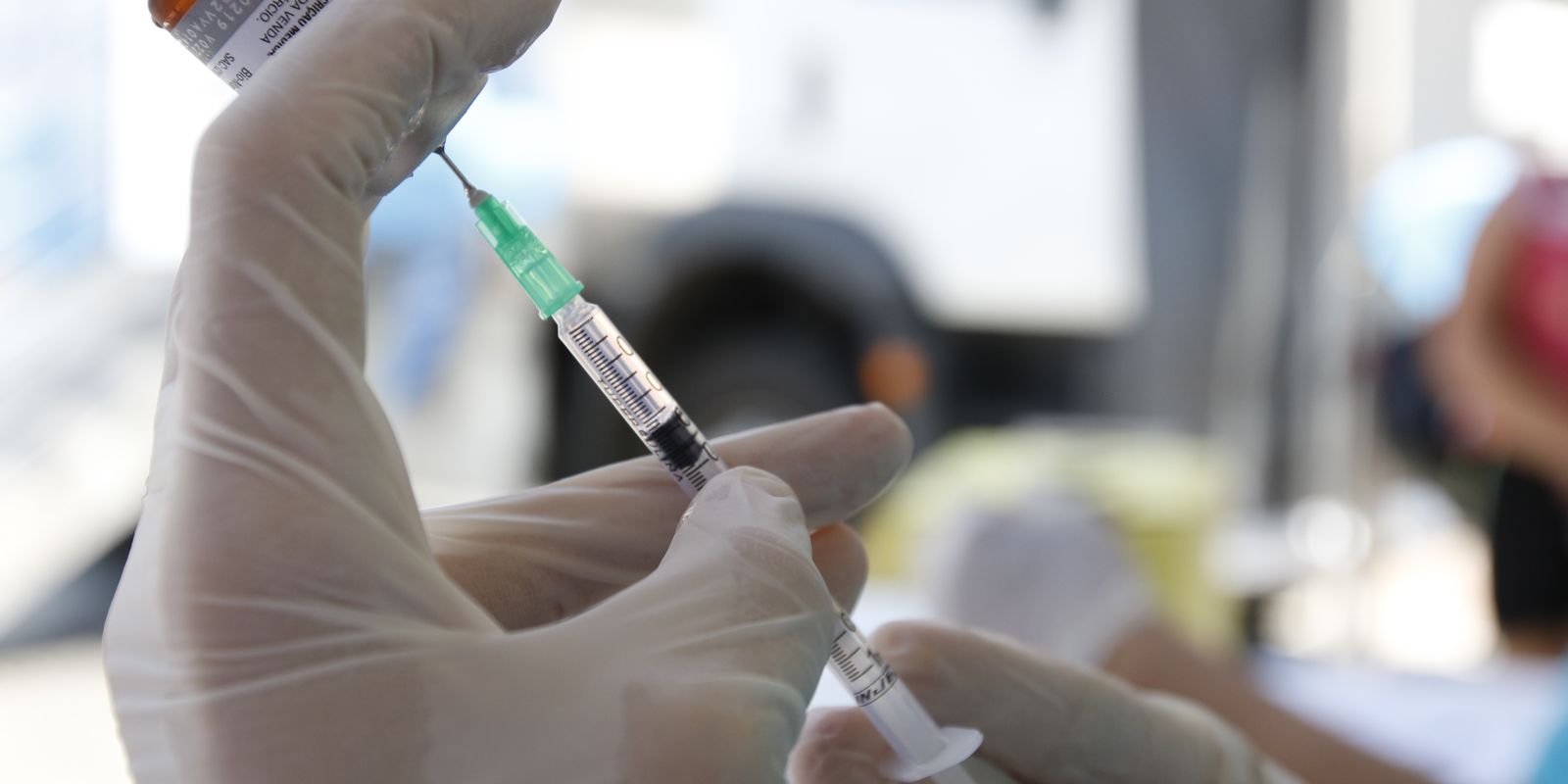
Vaccination remains the most effective way to protect against measles. The vaccine is part of Brazil’s National Immunization Program. The first dose is recommended at 12 months of age, and the second at 15 months. Individuals who do not have proof of vaccination in childhood and are between 5 and 29 years old should receive two doses, with a minimum interval of 30 days. Those aged 30 to 59 should receive a single dose.
Ensuring high vaccination rates is crucial for preventing outbreaks and protecting vulnerable populations.
Infectious Disease
Measles is a highly contagious infectious disease that was once a leading cause of childhood mortality worldwide. The Ministry of Health notes that the disease continues to pose a public health challenge, particularly in regions with low immunization rates.
Symptoms such as dry cough, eye irritation, runny nose, and severe discomfort can be mistaken for other viral infections, prompting the Ministry of Health to urge individuals to be vigilant and seek appropriate medical care.
Measles causes a red, itchy rash and can be transmitted to nine out of ten unvaccinated people who come into contact with an infected person through coughing, sneezing, speaking, or breathing.
The World Health Organization alerted 13 countries in the Americas to a 32-fold increase in measles cases in 2025 compared to 2024.
*With information from Agência Brasil
