

While widely recognized as a sleep aid, melatonin may offer significant protective benefits for the heart and brain, according to recent insights from leading experts. Beyond its role in regulating the sleep-wake cycle, research suggests this hormone could play a critical role in preventing degenerative diseases and aiding cardiovascular recovery.
Beyond Sleep: Melatonin’s Impact on Brain Health
Dr. Darío Acuña, co-director of the International Institute of Melatonin (IiMEL) and author of La melatonina te ilumina, describes the apply of melatonin for the prevention of degenerative diseases as “one of the most promising lines of research.”
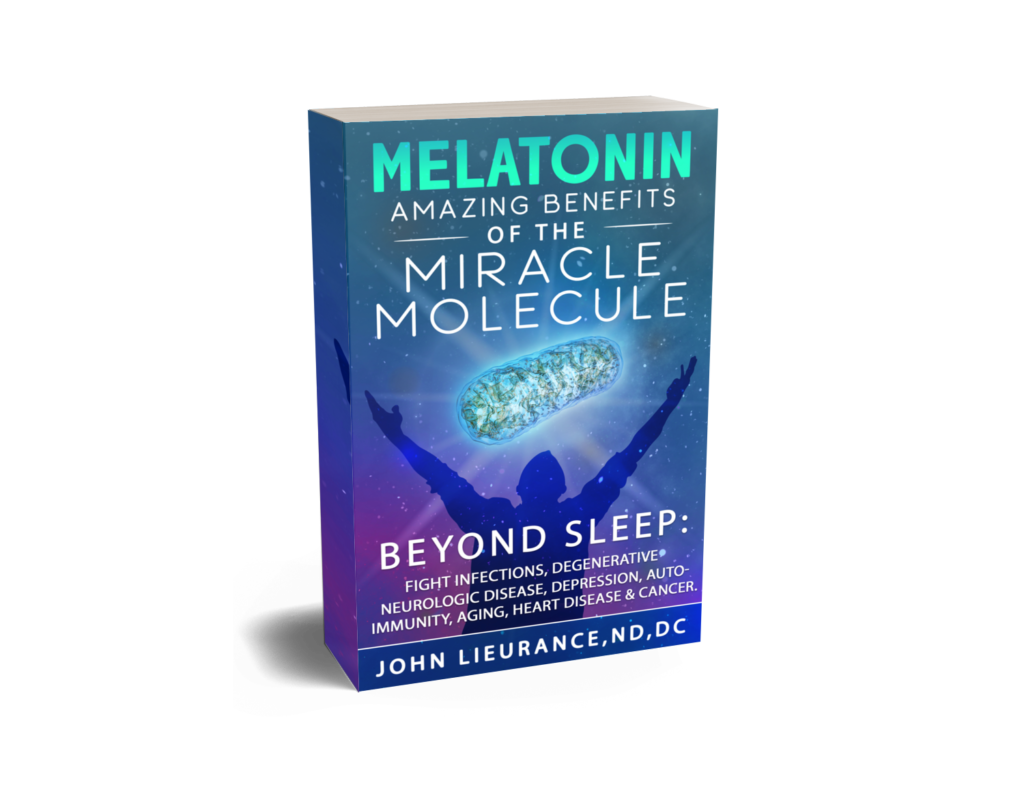
Experimental studies indicate that melatonin may support the brain by stimulating the formation of new neurons and promoting neuronal recovery. These findings are particularly relevant for public health as researchers explore ways to delay the onset of conditions such as Alzheimer’s disease. However, Dr. Acuña notes that “human clinical trials are still needed to confirm this with solidity.”
Cardiovascular Protection and Clinical Application
The potential for melatonin to protect the heart is supported by what Dr. Acuña calls “relevant evidence.” Unlike the experimental stage of neurodegenerative research, the application of melatonin in cardiovascular health is already being explored in clinical practice.
Specifically, the hormone has been used in patients who have suffered a myocardial infarction or have undergone cardiac surgery. In these clinical cases, melatonin has been observed to help improve the repair of damaged heart tissue. This shift from theoretical hypothesis to practical application underscores the hormone’s versatility in acute medical recovery.
Understanding Melatonin’s Biological Role
Naturally produced by the pineal gland in the brain, melatonin regulates circadian rhythms, with secretion increasing during darkness. However, its functions extend beyond the pineal gland. The International Institute of Melatonin highlights several key physiological properties:
- Antioxidant Power: It acts as an excellent antioxidant, specifically targeting the mitochondria.
- Anti-inflammatory Effects: It serves as an effective anti-inflammatory agent.
- Neuroprotection: It possesses antiexcitotoxic properties.
- Stress Control: Extrapineal melatonin helps manage oxidative stress and cellular damage.
Guidelines for Supplement Use
While Dr. Acuña supports the use of melatonin supplements, he cautions against unsupervised consumption. To maximize efficacy and safety, he emphasizes that the supplement must be administered in the correct dosage and at the appropriate time.
This perspective is echoed by Dr. Estela Lladó-Carbó, a specialist in Neurosciences and Neurophysiology, who stresses the importance of professional guidance. She asserts that “before taking supplements, we need diagnosis, context, and personalization to avoid unnecessary risks.”
