
New Data Suggests Genetic and Environmental Links to Mesothelioma in Young Patients
Recent findings indicate that genetic and environmental factors may play a significant role in the development of mesothelioma among younger individuals. This development underscores the complexity of the disease and the importance of understanding diverse risk factors beyond traditional exposures to improve early detection and patient outcomes.
Mesothelioma is an aggressive form of cancer that originates in the mesothelium, the thin layer of tissue that covers most of the body’s internal organs. While it is a rare disease, its aggressive nature makes prompt identification and specialized medical intervention critical for patient management.
Understanding the Types and Locations of Mesothelioma
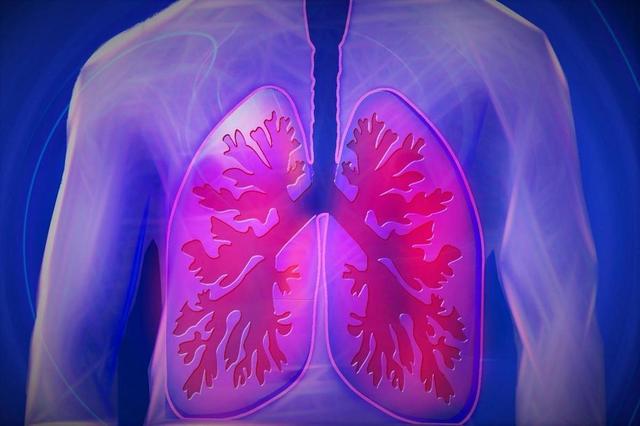
The disease is categorized based on the area of the mesothelium it affects. The most frequent occurrence is pleural mesothelioma, which impacts the tissue surrounding the lungs. The pleura consists of two distinct layers: the visceral pleura, which is in direct contact with the lungs, and the parietal pleura, which lines the inner chest wall. A small amount of lubricating fluid normally exists in the pleural space between these layers to facilitate smooth breathing; however, the uncontrolled multiplication of cells in this area leads to pleural cancer.

Beyond the lungs, other rarer forms of the disease include:
- Peritoneal mesothelioma: Affecting the lining of the abdomen.
- Pericardial mesothelioma: Affecting the tissue around the heart.
- Scrotal mesothelioma: Affecting the tissue surrounding the testicles.
Histopathological Classifications
Medical professionals further classify mesothelioma by its cell structure, which can influence the course of the disease and treatment response. The most common variety is epithelioid mesothelioma, characterized by square or rectangular cells that tend to cluster in large masses. This type is generally considered the most treatable.
In contrast, sarcomatoid mesothelioma is the rarest form of pleural mesothelioma. It is distinguished by thin cells containing multiple nuclei, often presenting a more challenging clinical profile.
Treatment Strategies and Prognosis
Current medical data indicates that there is no curative treatment for mesothelioma. However, a multimodal therapeutic approach can significantly improve a patient’s quality of life and extend survival. This strategy typically combines:
- Surgical intervention
- Chemotherapy
- Radiotherapy
Experts emphasize that early diagnosis and access to specialized care are essential components of the management process. Understanding the interplay between genetics and environmental triggers in younger populations could guide future diagnostic strategies and personalized treatment plans, potentially mitigating the impact of this aggressive malignancy.
Mezoteliomul la tineri: noi date sugerează rolul factorilor genetici şi de mediu
