
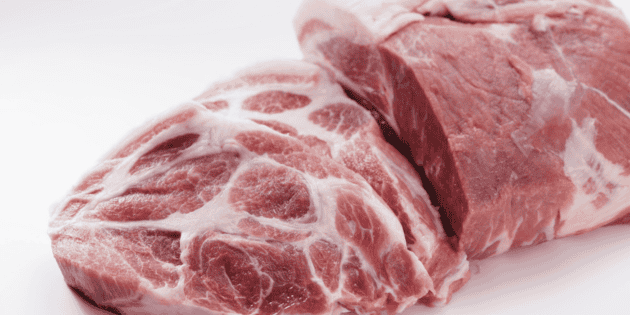
International beef prices have risen nearly 16%, reaching historically high levels, due to border closures and declining cattle inventories in the United States.
LEE: México supera los 10 mil casos de sarampión en un brote que ha provocado 31 fallecidos
Mexico remains heavily reliant on pork imports, as domestic production is insufficient to meet demand, according to the Agricultural Markets Consulting Group (GCMA). The country’s “structural dependence” stems from external purchases exceeding 163,000 tons, a situation driven by reduced internal production.
“Mexico remains the world’s largest importer of pork and a primary customer of the United States, deepening its external dependence,” GCMA stated.
The closure of U.S. Borders to Mexican calves due to the spread of the cattle grub also puts financial pressure on feedlot operators and ranchers in northern Mexico. This situation impacts the U.S. Market by reducing the availability of livestock at a time when U.S. Cattle inventories are already declining, which in turn drives up international beef prices.
Despite these challenges, Mexican beef exports increased in value by 27.1% in January 2026 compared to the same month last year, reaching $225,247,000 versus $177,210,000. Pork exports rose 17.5%, and poultry exports increased by 90% during the same period, GCMA reported.
LEE: El pintoresco pueblo cerca de Puerto Vallarta que puedes visitar sin gastar mucho dinero
However, despite the increase in exports of beef, pork, and poultry – totaling $292,076,000 – imports of these three types of meat reached $641,070,000, resulting in a trade deficit.
According to GCMA, “the Mexican livestock sector begins 2026 with record beef prices and higher export values. however, the closure of the border to live cattle and the structural dependence on pork and poultry maintain a trade deficit of $349 million, evidencing the country’s external vulnerability in animal protein.”
* * * Mantente al día con las noticias, únete a nuestro canal de WhatsApp * * *
KR
