
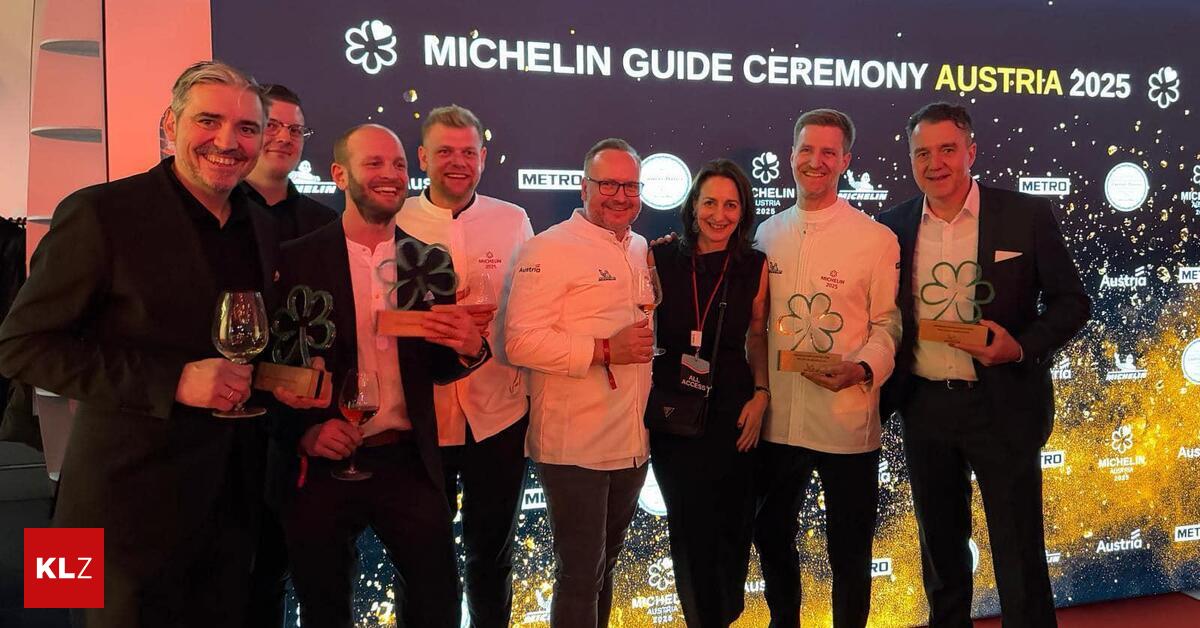
Carinthia, a region in Austria, is quietly becoming a culinary hotspot, boasting four Michelin-starred restaurants: Gourmetrestaurant Hubert Wallner on Wörthersee, Die Forelle on Weißensee, Restaurant Moritz in Grafenstein, and Rouge Noir, also on Weißensee. Two of those stars are located on Carinthia’s highest-altitude swimming lake—a remarkable development for a region traditionally known for summer vacations and freshwater fish dishes.
But earning a star is only the first step. Restaurants need to spot if the recognition translates into increased business and broader attention. Many chefs believe that’s where the real impact lies. “We’ve seen more guests from Italy and Slovenia ” says Hubert Wallner of Gourmetrestaurant Hubert Wallner on Wörthersee. “The star acts like a universal seal of quality for international guests—one that’s understood regardless of familiarity with local guides or awards.”
„Großen Gästezuwachs hat es nicht gegeben. Die Auszeichnung ist aber eine Bestätigung für den eingeschlagenen Weg und die Philosophie.“ Hannes Müller © Martin Lugger
Roman Pichler of Restaurant Moritz in Grafenstein echoes that sentiment. “Michelin has definitely brought us something—greater international visibility, which means more guests from neighboring countries are discovering us.” For a region heavily reliant on tourism from Italy, Slovenia, and Croatia, that increased exposure is particularly valuable.
Stefan Glantschnig of Rouge Noir on Weißensee also emphasizes the power of visibility. “The biggest thing the star has given me is visibility—the chance to be seen as a leading restaurant in Austria. That was definitely its biggest impact.” The recognition also translates to economic benefits. “Of course, reservations were very, very decent in the summer. A little less in the winter, but we’re hoping for March 18th.” That’s when Austria’s culinary stars will be announced this year.
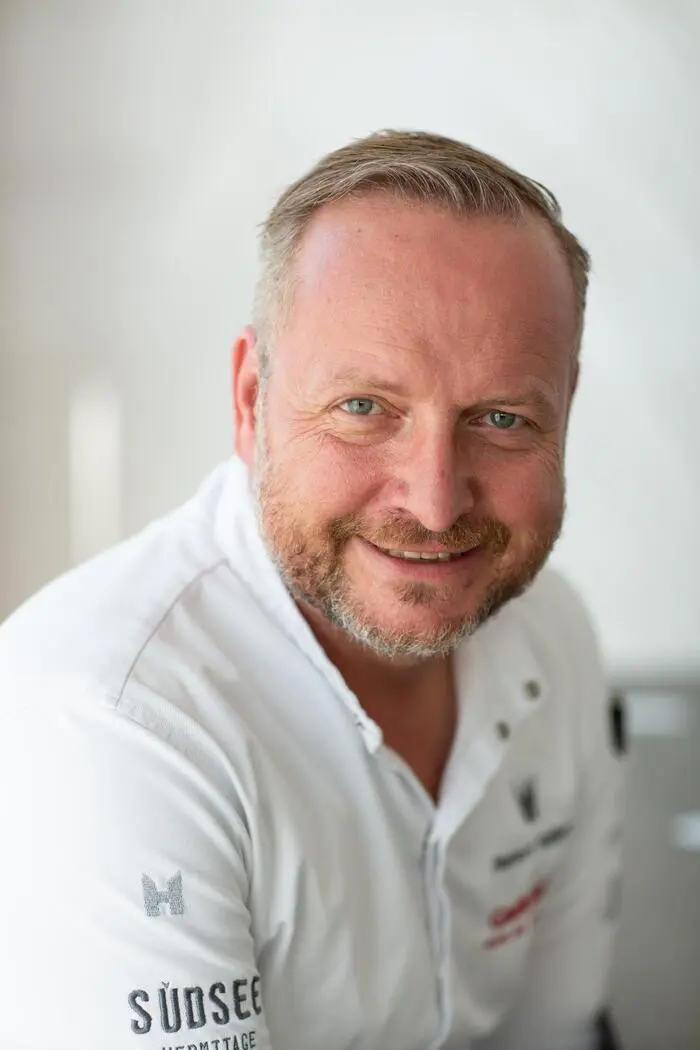
„Wir haben dadurch mehr Gäste aus Italien und Slowenien bekommen.“ Hubert Wallner © Jörg Lehmann
For many chefs, the award isn’t just a marketing tool, but also validation of their work. Hannes Müller of Die Forelle on Weißensee views the star primarily as recognition of a long-term commitment. “The award is a confirmation of the path we’ve taken and our philosophy.” He also stresses the importance of regional producers and farmers, whose products form the foundation of his cuisine. According to Müller, the star didn’t noticeably increase reservations, but did attract a few more international diners.
These voices collectively demonstrate the impact a Michelin star can have—attracting attention, international guests, and a degree of prestige. The sizeable question remains whether that impact is enough to justify the significant investments Austria has made in bringing the Guide back. The return of Michelin was, after all, an unusual tourism project, with the national government, Austria Werbung, and the regional governments jointly funding its return after a 15-year absence. The hope is for greater international recognition, more culinary tourism, and more high-quality visitors.
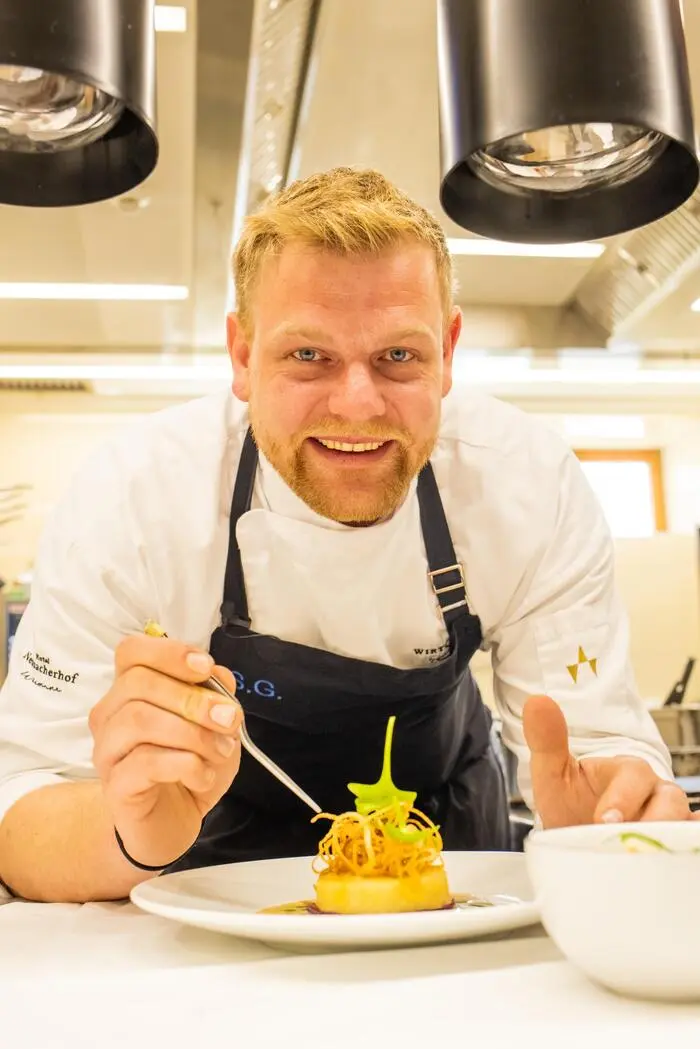
„Das Größte, was der Stern für mich gebracht hat, war die Sichtbarkeit. Die Sichtbarkeit in Österreich vorne mitzuwirken.“ Stefan Glantschnig © Helmuth Weichselbraun
Chefs in Styria report that the desired effect hasn’t yet fully materialized in more rural areas. Stefan Eder of “Der Wilde Eder” in St. Kathrein am Offenegg openly admits that the star has had limited impact. “Because we almost exclusively have Austrian guests. A few foreign guests have come.” The international effect is more strongly felt in cities.
Some responses are more blunt. Harald Irka puts it directly: “The truth is: it hasn’t brought anything to our business.” Others speak of a noticeable upswing, even if there’s still potential for growth. “Personally, the star is the highest achievement in my career,” says Markus Rath from Leibnitz. “Professionally, the upswing has been noticeable, but there’s still room for improvement.”
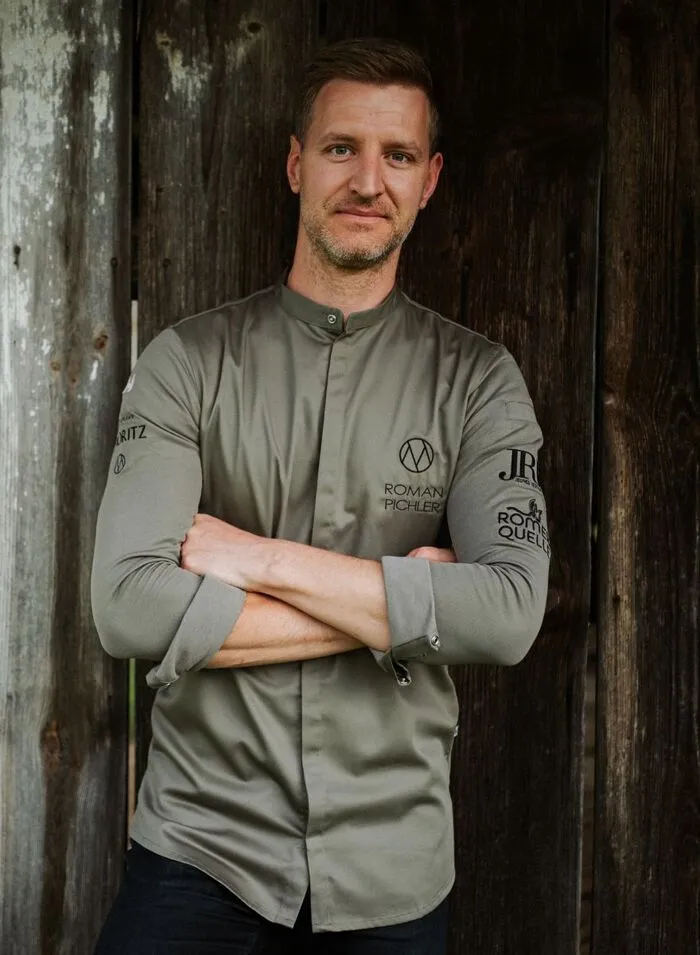
„Die internationale Sichtbarkeit ist größer und deswegen finden auch viele Gäste aus den Nachbarländern zu uns.“ Roman Pichler © Henry Welisch
One year after its debut, it’s clear the Guide is generating conversation—both within the industry and in the regions. For smaller culinary destinations like Carinthia, a star can have a significant impact. At the same time, the scene remains manageable, and competition within Austria is growing. All eyes are now on the next evaluation. The new ratings will be announced shortly. A major Michelin event is planned in Schladming, but the results will be communicated in advance on March 18th.
For Carinthia’s four starred chefs, that means one thing: waiting. Will the stars remain, will another be added, or will the sky over southern Austria become a little less bright? The answer could also reveal whether Austria’s grand culinary experiment will truly pay off.
