
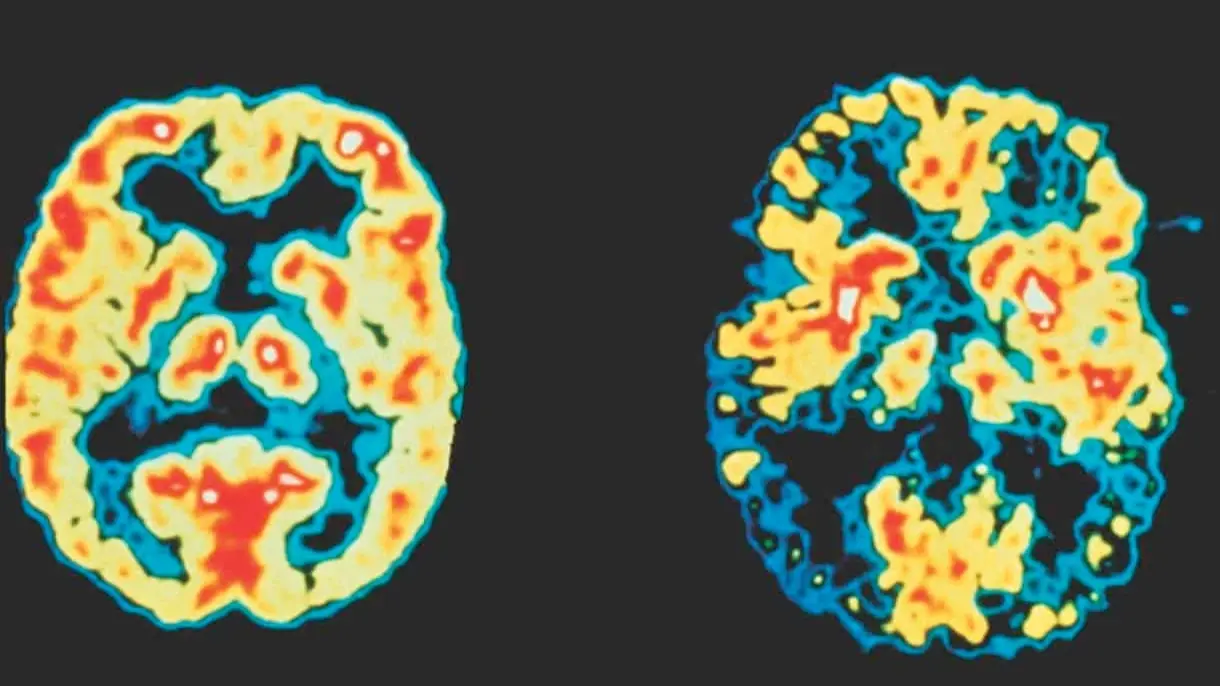
Microplastics are now being detected inside the human brain, according to a new scientific study, with significantly higher levels found in individuals with dementia. This discovery raises concerns about the potential long-term health effects of widespread plastic pollution and its impact on neurological health.
The research, led by Matthew Campen from the University of New Mexico, involved the analysis of 52 donated human brain samples. The findings highlight a growing public health issue as plastic pollution continues to increase globally.
Researchers identified particles of plastics such as polyethylene in all samples examined. Notably, levels of these microplastics were higher in more recent samples from 2024 compared to older samples from 2016, indicating a rise in human exposure to plastics.
Brains of Dementia Patients
The study revealed that the brains of patients diagnosed with dementia contained three to five times more microplastics than those without the condition. This correlation prompts further investigation into a potential link between microplastic accumulation and cognitive decline.
Analysis also showed that these plastic particles weren’t always smooth or spherical, but often presented irregular and sharp shapes. This could influence how they interact with brain cells and potentially cause damage.
Researchers confirmed that microplastics are capable of crossing the blood-brain barrier, a protective mechanism designed to shield the brain from harmful substances. These particles were detected in deep brain regions, including the frontal cortex.
Whereas the results are concerning, scientists emphasize that it remains unclear whether these particles directly cause dementia or if the brain’s diminished ability to clear them contributes to their accumulation. Further research is needed to establish a definitive causal relationship.
This study adds to a growing body of research demonstrating the presence of microplastics in various organs throughout the body, including arteries, kidneys, and the placenta. This widespread detection underscores the pervasive nature of plastic pollution in both the environment and within humans.
Researchers suggest that these findings warrant further investigation to understand the long-term consequences, particularly given the increasing global production and prevalence of plastics in air, water, and food. The study’s results were published in the journal Nature Medicine, serving as a new scientific warning regarding the potential health impacts of plastic pollution on health.
