
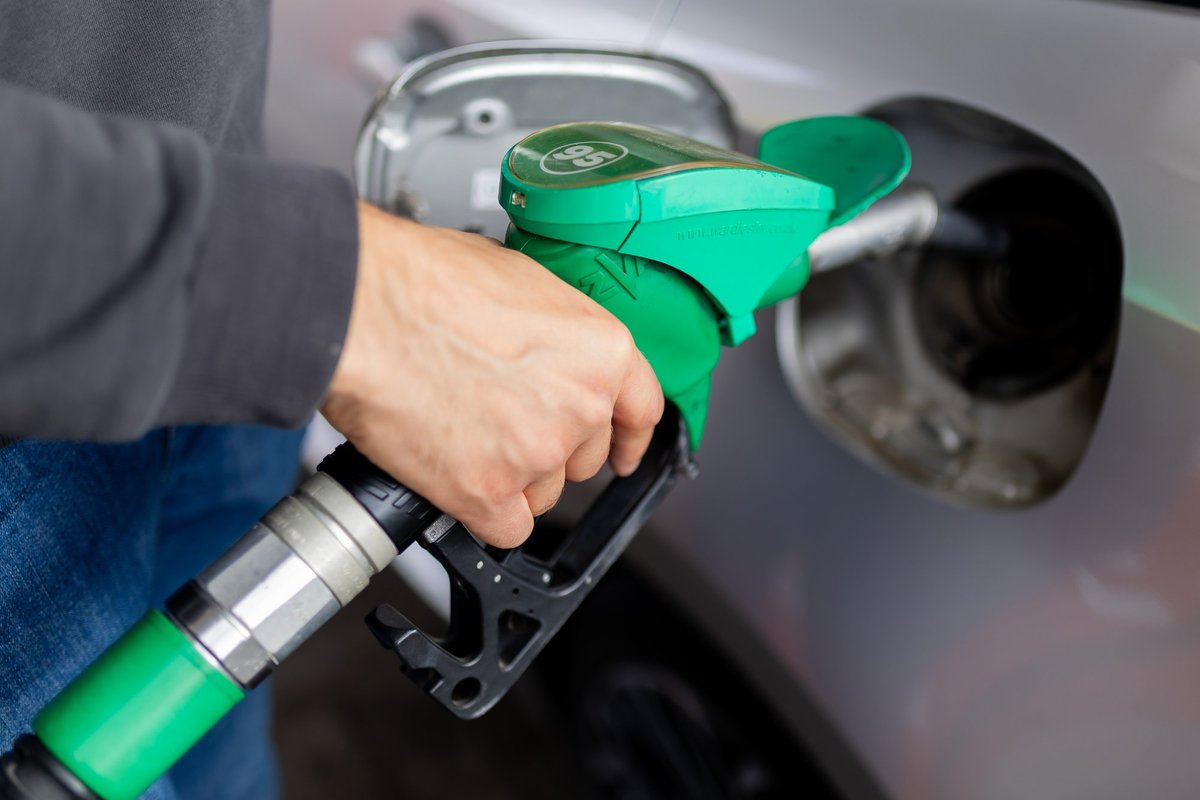
The ongoing conflict in the Middle East is fueling concerns about a major energy crisis, potentially triggering the largest supply disruption in the history of the global oil market. Without a swift resolution, the impact on energy markets and economies is expected to worsen.
According to a recent report, governments, businesses, and households can take immediate and specific steps to protect consumers from the crisis’s effects. The recommendations are based on decades of experience from the International Energy Agency (IEA) and highlight measures that have proven effective in various circumstances, said IEA Executive Director Fatih Birol.
The IEA report suggests a combination of behavioral and policy measures in the transportation sector could deliver rapid savings, many of which have been implemented in the past and are now being reconsidered by several countries. What specific advice does the agency offer?
The IEA first recommends increased remote work, as this directly reduces fuel consumption associated with commuting.
Secondly, the agency advises reducing maximum speed limits on highways by 10 km/h, which it estimates would lower fuel consumption for cars, vans, and trucks.
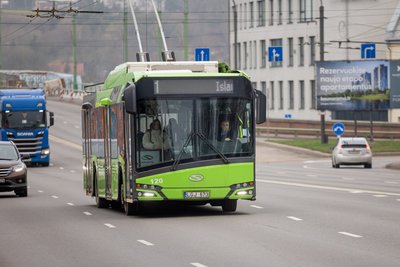
Governments are also encouraged to promote public transportation, as a shift from private vehicles – such as trains – could reduce overall fuel usage.
Finally, for personal vehicles, the report suggests implementing traffic restrictions in major cities on alternating days and expanding car-sharing services, alongside practicing eco-driving techniques.
Several potential measures were also outlined for commercial transport. The IEA suggests more efficient driving, vehicle maintenance, and optimized cargo loads can reduce diesel consumption. Avoiding air travel, where possible, is also recommended.
