- The crisis in the Middle East could be equivalent to the combined force of two oil shocks from the 1970s and the consequences of the Russian invasion of Ukraine, according to the head of the International Energy Agency, Fatih Birol.
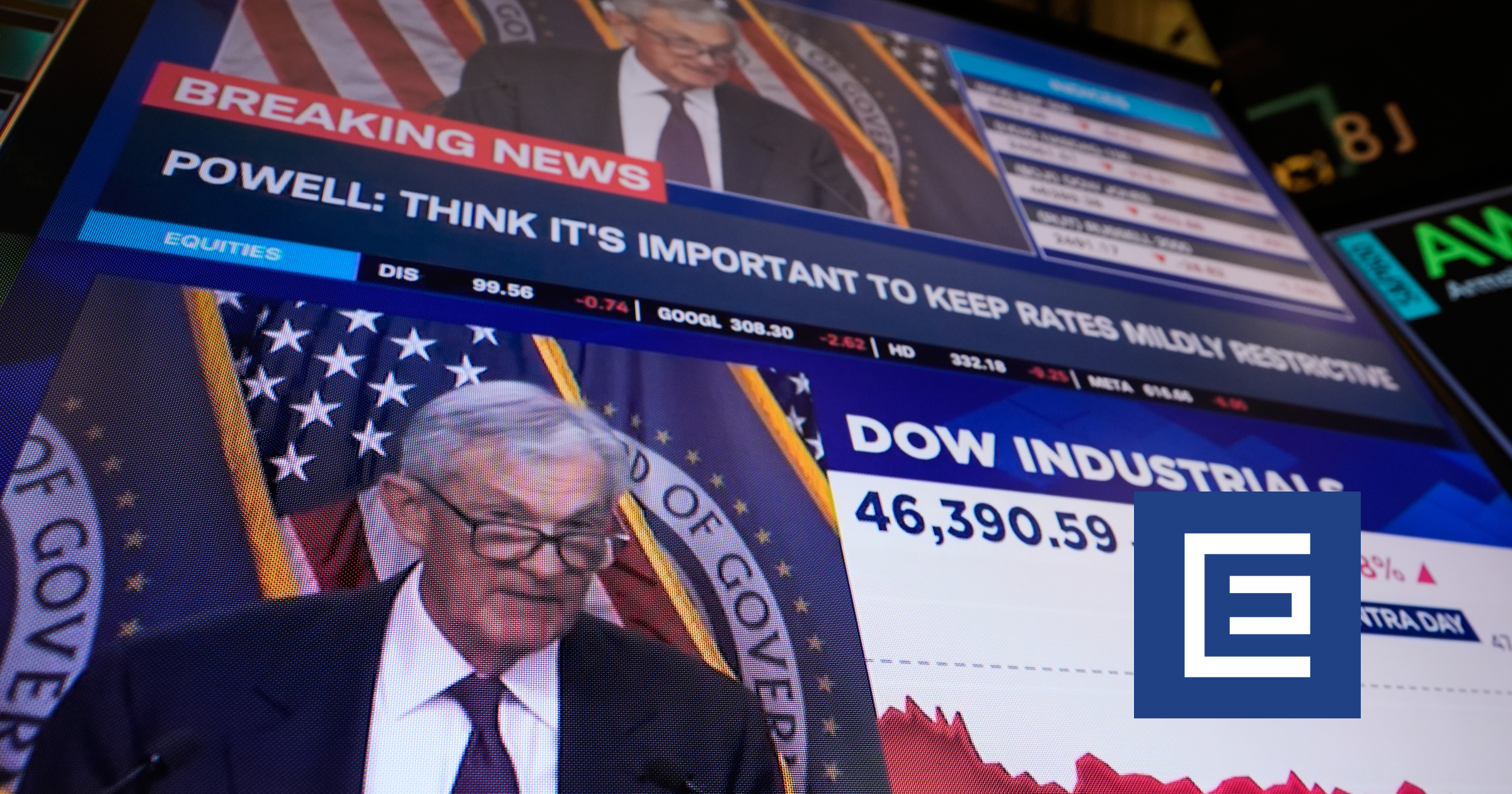
- Stock markets are reacting to Donald Trump and his statements and subsequent revocation of an ultimatum to Iran.
- The text provides an explanation of how oil crises in the past have affected stock market returns and when they recovered.
Mounting tensions in the Middle East are increasingly prompting economists to anticipate a prolonged conflict with a significant impact on the global economy. Adding to market uncertainty, former U.S. President Donald Trump’s recent pronouncements have stirred volatility in equity markets.
On Saturday evening, Trump issued a 48-hour ultimatum to Iran to fully open the Strait of Hormuz, threatening to begin destroying Iranian power plants if the demand wasn’t met. Tehran responded with a warning that it would retaliate by attacking key infrastructure in the region should Trump follow through on the threat.
Stock markets initially weakened on Monday morning in response to the escalating rhetoric. Though, a shift in tone from the former president – coupled with reports of progress in negotiations and a five-day postponement of potential military action – spurred a recovery, with indexes gradually erasing earlier losses.
“Volatility is significantly higher today than usual,” noted Matej Bajzík, a financial analyst at XTB.
Crude oil prices have risen from $67 at the start of the conflict in Iran to $113 per barrel on Monday, representing an 87 percent increase year-to-date. While investors in equity markets have reacted more moderately thus far, the S&P 500 index fell approximately 5 percent in the initial weeks of the conflict, equating to a loss of over $3 billion in market value.
This initial decline is not unusual, as declines of 5 percent occur, on average, three times per year, with a 10-percent drop in U.S. Equities occurring once annually, according to XTB analyst Tomáš Vranka. However, the potential for further escalation of tensions remains uncertain.
“This crisis, considering the current situation, represents two oil crises from the 1970s and the gas crisis [following Russia’s invasion of Ukraine] combined,” said Fatih Birol, head of the International Energy Agency, on Monday. He warned that no country would be immune to the consequences if the crisis were to continue.
An oil crisis could trigger high inflation and a recession. Some investors are already