
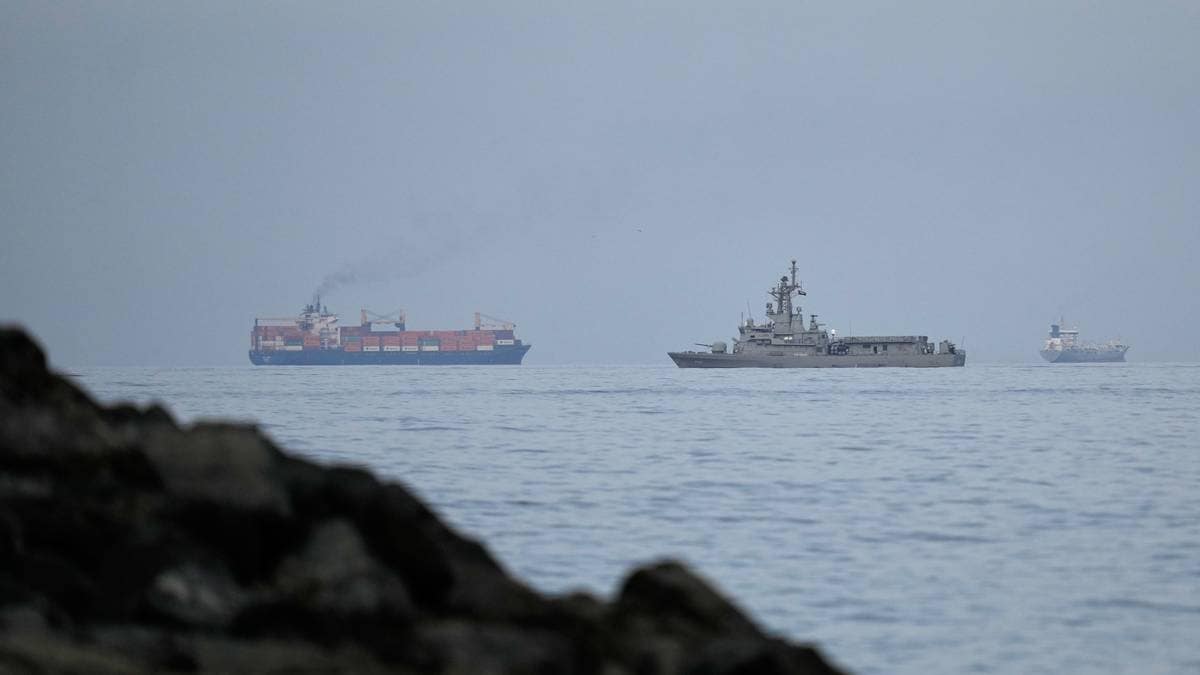
The fragile ceasefire between the United States and Iran is facing an immediate crisis as Tehran accuses Israel of violating the agreement, threatening to suspend shipping through the strategically vital Strait of Hormuz.
On April 8, 2026, Iranian media outlets reported that the government is considering withdrawing from the deal announced by President Donald Trump. The move comes as Iran alleges that Israel has undermined the peace process by continuing military operations against Hezbollah in Lebanon. This escalation threatens to destabilize a region already reeling from a conflict that began on February 28.
The tension centers on the limited opening of the Strait of Hormuz, which remains under Iranian control. The 100-mile-long waterway is a global economic chokepoint, with approximately 20% of the world’s oil and natural gas supply passing through the channel. Since the war’s onset, Iran has used its grip on the strait as strategic leverage against the U.S. And Israel.
The economic fallout has been severe. Before the conflict, roughly 135 vessels transited the strait daily; however, that number plummeted to just 116 total crossings between March 1 and March 25. This disruption sent oil prices soaring above $100 per barrel and drove average U.S. Gas prices to $4.16 per gallon, up from $2.82 at the start of the year.
President Trump’s ceasefire, agreed upon on April 7, 2026, was conditional on Iran relinquishing its control over the waterway. The deal followed a period of intense volatility, including an Easter Sunday social media post in which the president threatened to destroy Iranian civilian infrastructure if the strait were not opened by April 7. While Secretary of State Marco Rubio previously described the closure as a “temporary problem,” the current allegations of ceasefire violations suggest the agreement is on the verge of collapse.
Diplomatic efforts to salvage the peace are being led by Pakistan, which brokered the ceasefire and has offered to host direct talks between Washington, and Tehran. On April 8, Pakistani Prime Minister Shehbaz Sharif urged all parties to exercise restraint and respect the two-week agreement to allow diplomacy to find a peaceful settlement.
Despite the diplomatic push, security risks remain high across the region. The U.S. Embassy in Baghdad issued a security alert on April 8, advising Americans against air travel within Iraq due to the ongoing threat of drones, missiles, and rockets. Meanwhile, shipping industry leaders remain concerned about safety, as vessels are hesitant to sail from the Middle East.
The current standoff underscores the volatility of the region, where the global energy market remains hostage to the geopolitical struggle between Iran and the West. Any further breakdown in the ceasefire could trigger a renewed surge in oil prices and a wider military escalation.
Reports of activity in the Strait of Hormuz continue to be monitored closely by international observers as the world awaits whether diplomacy or conflict will prevail.
