
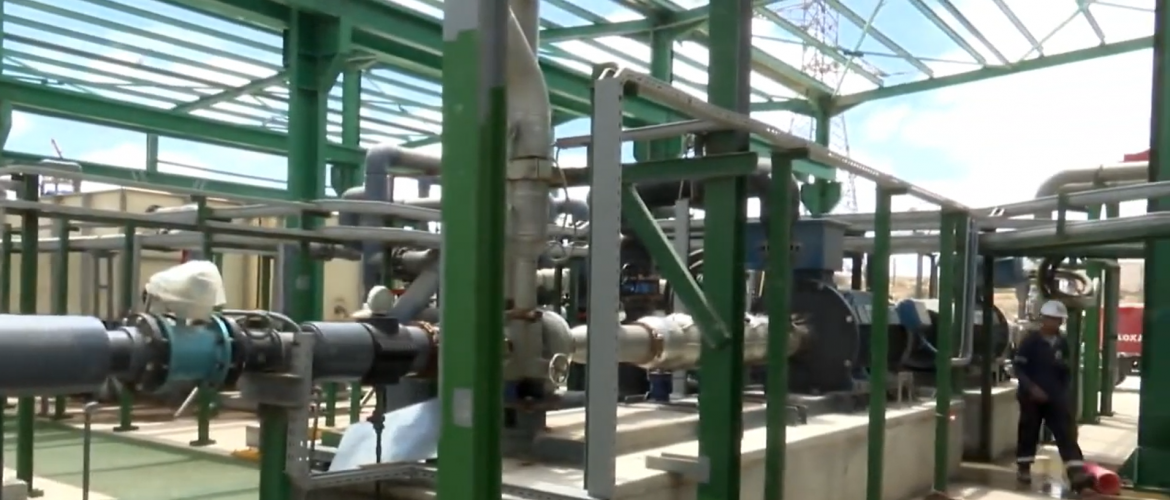
The Casablanca-Settat region is aggressively expanding its water infrastructure to combat potential shortages, deploying a network of desalination and demineralization plants to stabilize the local supply. The Regional Multiservices Company (SRM) Casablanca-Settat is currently overseeing the installation of 27 monobloc stations designed to treat both seawater and brackish water.
This strategic initiative represents a 400 million DH investment, funded through a partnership between the Moroccan Ministry of the Interior and the Casablanca-Settat Regional Council. The program aims to provide a forecasted annual capacity of 8.19 million cubic meters of potable water, underscoring the region’s urgency in securing its hydric future against climate-driven crises.
Project lead Mouhcine Moursli of SRM Casablanca-Settat confirmed that the initiative is nearing completion, with an overall progress rate exceeding 80%. “The implementation of the program will, in effect, help secure the drinking water supply for the entire region,” Moursli stated.
To date, 19 of the 27 stations are already operational across several provinces:
- Settat: 8 stations
- El Jadida: 5 stations
- Berrechid: 2 stations
- Nouaceur: 2 stations
- Sidi Bennour: 2 stations
Since the program’s launch, these active stations have produced over 2.1 million cubic meters of drinking water, providing a critical resource to various communes throughout the region.
Work continues on the remaining eight stations, five of which are in the final stages of completion. These include facilities in Sidi Rahal (40 l/s), Mohammedia (10 l/s), and Deroua (3 l/s). Two stations are planned for Sidi Hajjaj with a combined capacity of 8 l/s. Officials expect these final units to be commissioned by the end of April 2026.
