
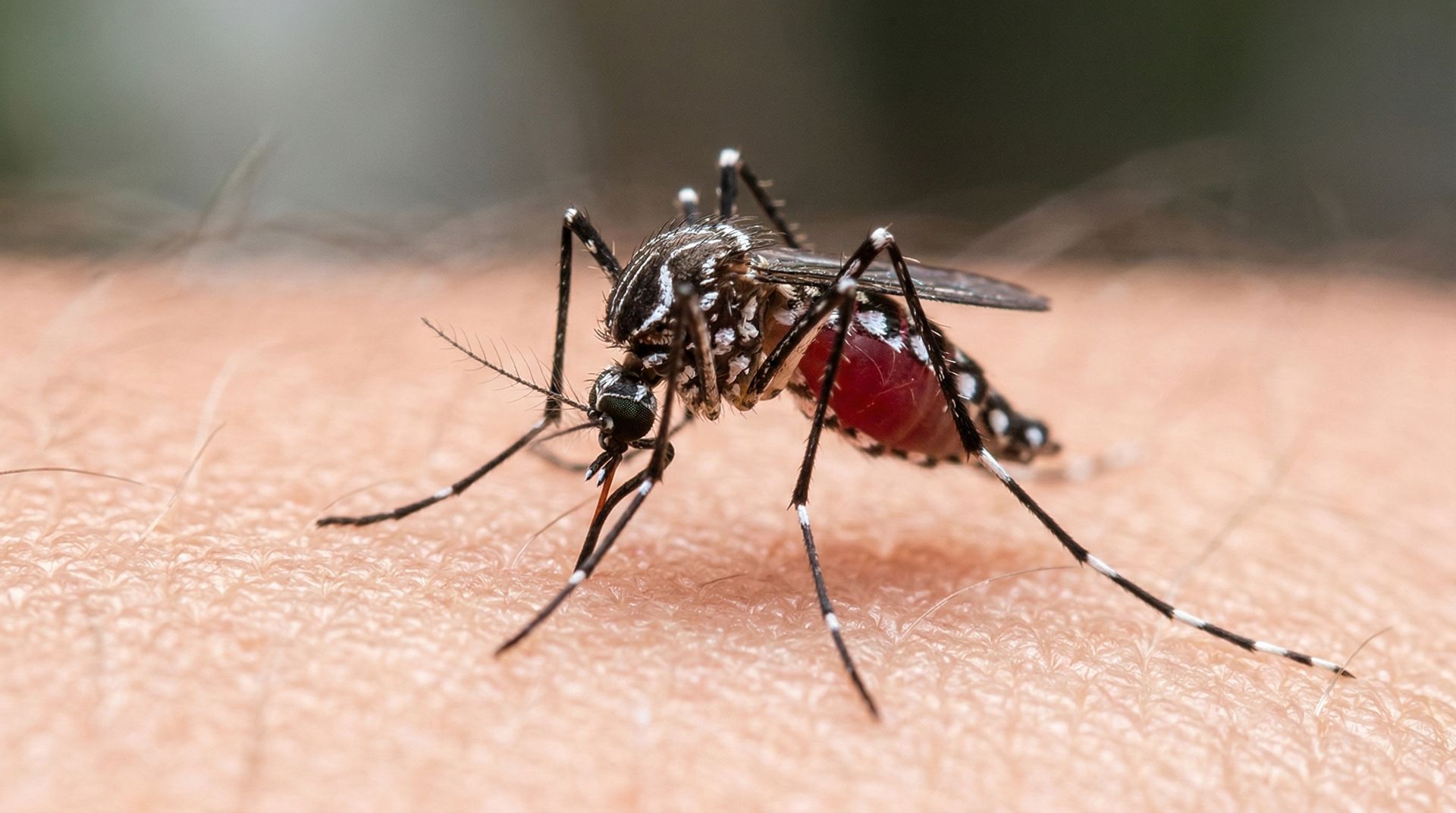
Researchers have discovered that key instincts in mosquitoes aren’t controlled by the brain, but by cells in their rectum. A team identified a specialized group of cells located in what are known as rectal pads, equipped with a receptor called NPYLR7. While typically associated with water regulation, these cells in Aedes aegypti mosquitoes function as a “logistical center” managing nutrient resources, according to recent findings.
The discovery could pave the way for new strategies to combat mosquito-borne illnesses like Zika, dengue fever, and yellow fever. This research represents a shift in understanding insect biology and opens up new avenues for intervention.
- Cells in the rectum respond to amino acids and a neuropeptide called RYamide.
- These substances trigger a rapid increase in calcium levels within the cells, initiating a cascade of signals.
- In healthy mosquitoes, these cells recruit vesicles that likely transmit information about satiety to the rest of the body.
Studies on mosquitoes lacking the NPYLR7 receptor revealed a significant disruption in their reproductive process. Despite consuming the same amount of blood as healthy mosquitoes, these individuals struggled to produce viable offspring:
- Eggs from the mutant mosquitoes received significantly less protein, drastically reducing their ability to hatch.
- Instead of resting and developing eggs, these females continued to aggressively seek new blood sources, increasing the risk of disease transmission.
The location of the NPYLR7 receptor within the mosquito’s digestive system makes it a more accessible target for potential drugs than receptors located in the brain. Scientists believe this knowledge could lead to the development of treatments that “trick” the mosquito’s system after it feeds, either preventing it from biting humans or rendering it infertile. Researchers at the Rockefeller University have similarly been working on small molecule agonists of the neuropeptide Y receptor to block mosquito biting, as detailed in a study published in Cell. Further research, including work detailed in a recent bioRxiv preprint, suggests that activating feeding-related neuropeptide receptors could naturally suppress the drive to bite.
