
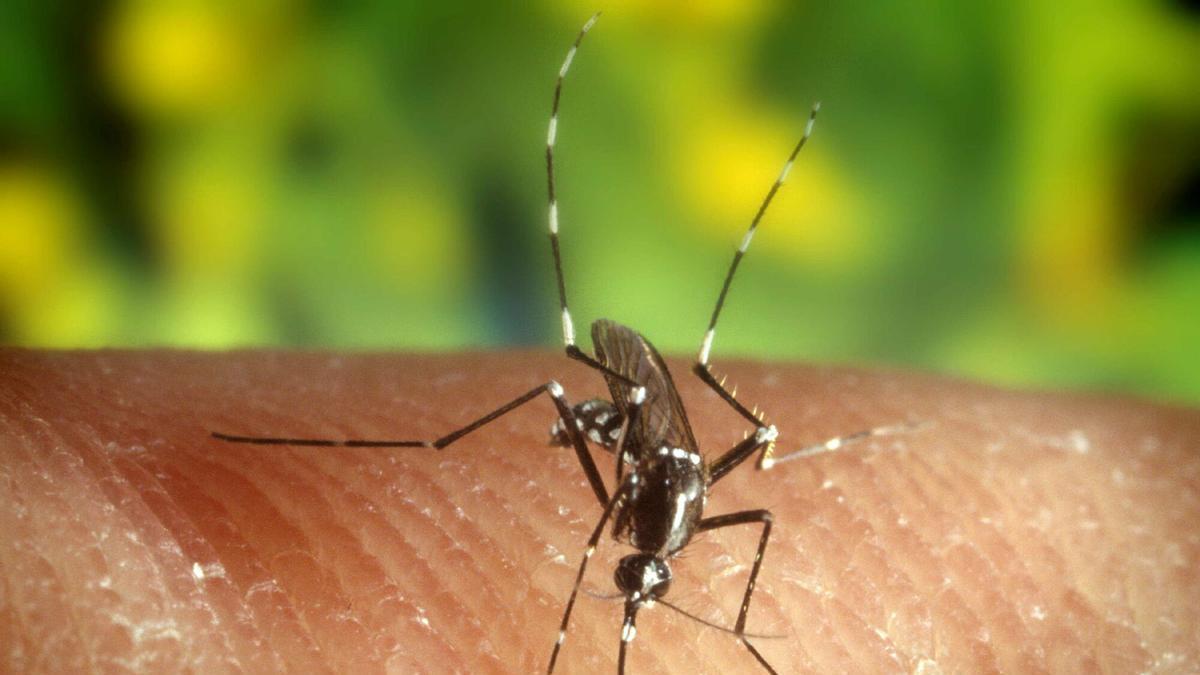
The preference of some Anopheles mosquitoes, including those that transmit malaria, for human blood may have emerged with the arrival of the first hominids in Southeast Asia approximately 1.8 million years ago, according to a study published on Thursday, February 26, 2026, in Scientific Reports.
Understanding when and why mosquitoes evolved to feed on humans could lead to improved strategies for preventing the spread of mosquito-borne illnesses. While feeding on human blood is uncommon among the 3,500 known mosquito species, those that do pose a significant public health threat as they develop into vectors for spreading pathogens that cause diseases like malaria.
An international team of researchers sequenced the DNA of 38 mosquitoes from eleven species within the Anopheles Leucosphyrus group, collected between 1992 and 2020 in Southeast Asia.
Using computer modeling and estimates of mutation rates, the sequences allowed the team to reconstruct the group’s evolutionary history. The results suggest that the preference for humans arose between 2.9 and 1.6 million years ago in the region known as Sundaland, which includes the Malay Peninsula, Borneo, Sumatra, and Java.
Coinciding with Homo erectus
Prior to this period, the ancestors of these mosquitoes fed on non-human primates. This timeline coincides with the earliest proposed arrival of Homo erectus in the region, around 1.8 million years ago—long before the expansion of modern humans.
The researchers propose that the mosquitoes, already feeding on arboreal primates, encountered a new food source on the ground. However, multiple mutations in the genes responsible for detecting body odor were necessary to shift their feeding preferences.
natural selection could only have solidified this preference if a “substantial” population of H. Erectus existed in Sundaland at the time. The researchers suggest that the DNA of current mosquito populations even provides indirect biological evidence of the presence of our ancestors in the area.
