
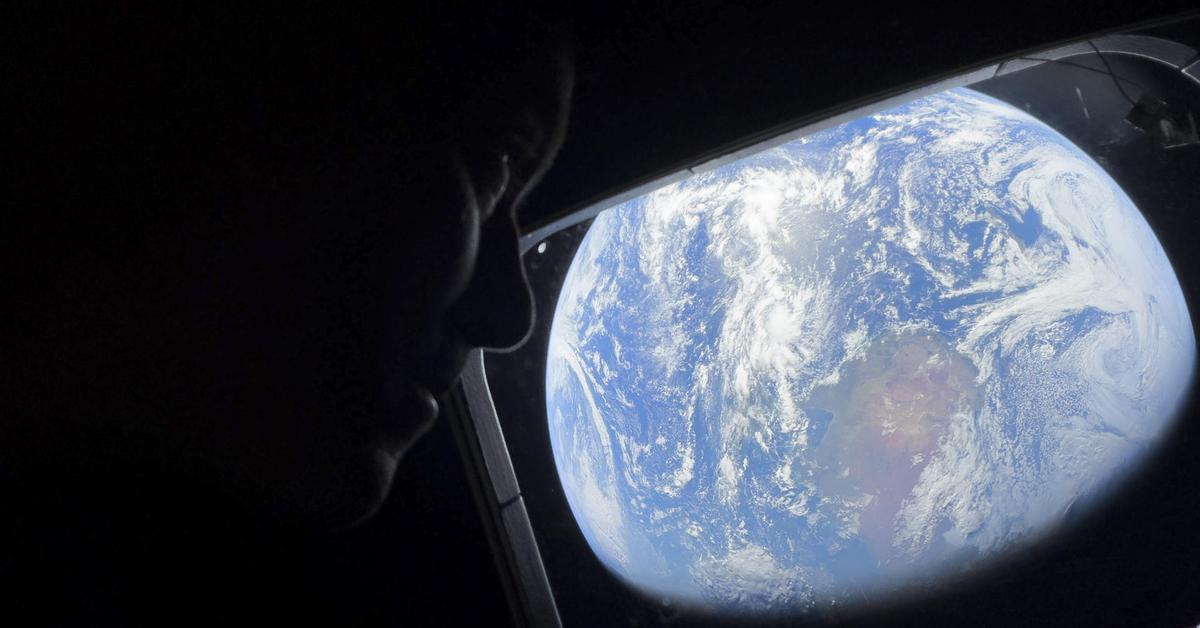
NASA’s Artemis II Crew Captures the Moon’s Far Side as Mission Enters Critical Flyby Phase
In a pivotal moment for lunar exploration, the crew of NASA’s Artemis II mission has successfully glimpsed the far side of the moon, describing the experience as “simply spectacular.” As of Monday, April 6, 2026, the spacecraft has moved closer to the lunar surface than to Earth, marking a significant milestone in the mission’s trajectory.
The Artemis II mission is currently in the midst of its fourth flight day, with the crew positioned less than 60,000 miles from the moon. This proximity is essential as the team prepares for a critical lunar flyby scheduled for April 6, 2026. The Orion spacecraft is now executing its final push toward the moon, preparing to enter the lunar sphere of influence.
This mission represents a leap in deep-space communication technology. NASA is utilizing a cutting-edge laser communications system, which is currently beaming high-definition 4K video from the vicinity of the moon back to Earth. The ability to transmit such high-fidelity data from deep space highlights the increasing sophistication of the digital infrastructure supporting modern lunar missions.
For the astronauts, the visual experience has been a highlight of the journey. Early reports indicate that the crew has already witnessed the far side of the moon, a feat that connects the current mission to the legacy of the original Apollo astronauts. According to reports from RTVE.es, the sight of the lunar far side was described as “simply spectacular.”
As the Artemis II mission continues its journey, the focus remains on the precise navigation required to execute the flyby and the continued testing of deep-space communication systems. This phase of the mission underscores the ongoing evolution of space travel, blending the pioneering spirit of early lunar voyages with modern, high-bandwidth digital innovation.
