

NASA’s Artemis II Sets New Human Distance Record During Historic Lunar Flyby
In a significant leap for deep-space exploration, NASA’s Artemis II mission has officially broken the record for the farthest humans have ever traveled from Earth. The crew surpassed the previous mark set by the Apollo 13 mission in 1970 by more than 4,100 miles, reaching this milestone at 7:05 p.m. ET on Monday, April 7, 2026.
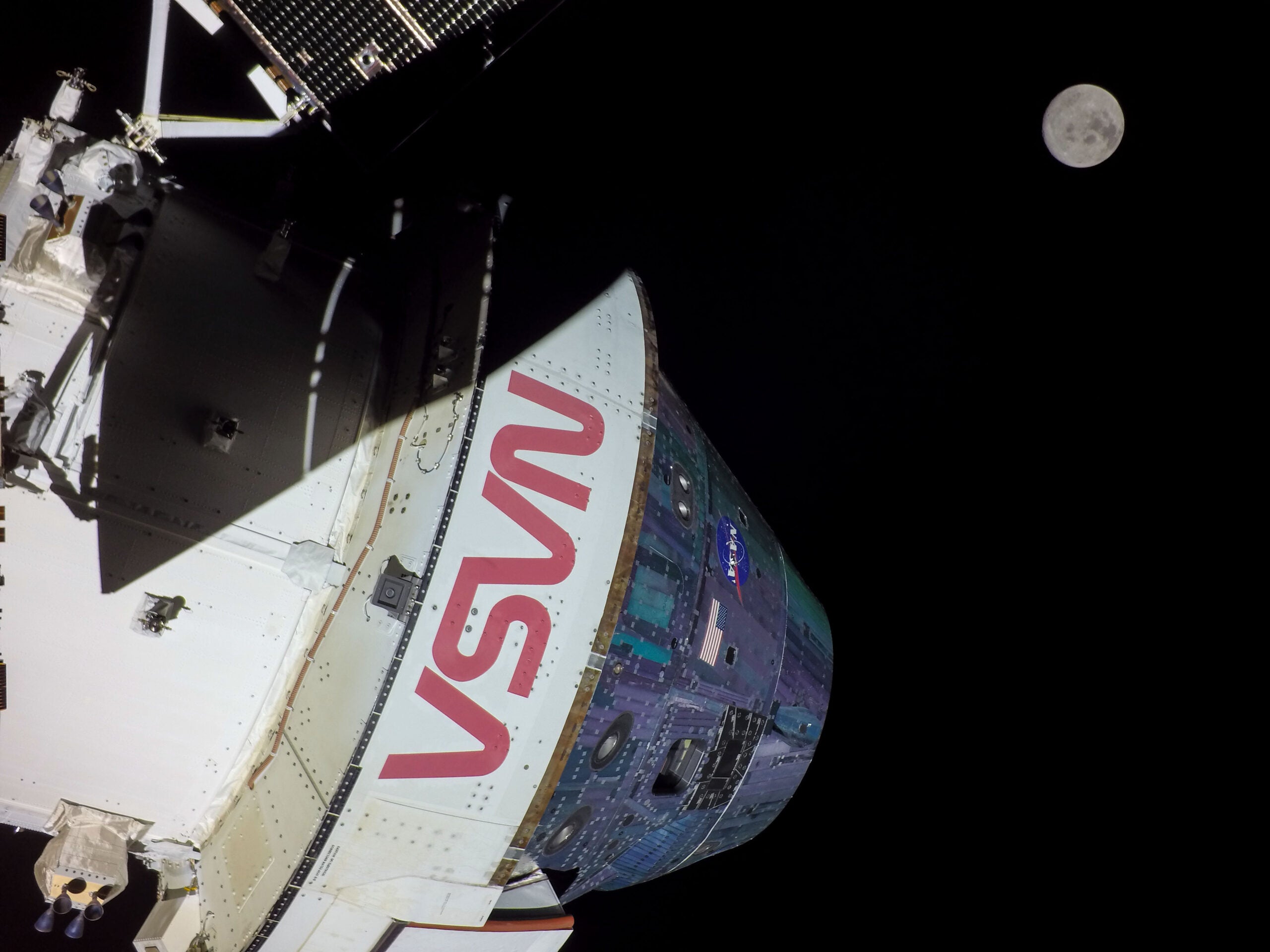
This achievement comes as part of a daring lunar flyby that brought the crew closer to the Moon than any humans have been in over half a century. At 7:02 p.m. ET on April 7, the Orion spacecraft made its closest approach, passing within 4,066 miles of the lunar surface. NASA has shared images from the mission, emphasizing that this flyby is a critical stage in the broader goal of returning humans to the lunar surface.
The Artemis II crew—consisting of Commander Reid Wiseman, Pilot Victor Glover, Mission Specialist Christina Koch and Canadian Space Agency astronaut Jeremy Hansen—has spent the mission testing the limits of the Orion spacecraft. The journey, which began with a launch on April 1, 2026, is designed to validate the systems necessary for future long-term lunar habitation, sparking discussions on whether humans might eventually migrate to the Moon.
The mission’s visual impact reached a global audience after Elon Musk shared exterior video footage on X. The clip, captured by cameras mounted on the outside of the Orion spacecraft, shows the Moon filling the frame in a staggering display of scale, highlighting the stunning beauty of the lunar landscape. Whereas the footage went viral, some observers questioned if the video shared by Musk was current, confirming the mission’s real-time progress.
The journey has not been without its tense moments. During the mission, the crew experienced a period of communication silence, remaining out of contact with Mission Control for approximately 40 minutes.
As of April 9, 2026, the crew is preparing for the final leg of their journey. The Artemis II spacecraft is scheduled to splashdown off the coast of San Diego on April 10, 2026. The success of this mission reinforces the technical viability of the Orion spacecraft and signals a growing momentum in the global effort to establish a permanent human presence beyond Earth’s orbit.
