

NASA Shifts Artemis III Timeline, Taps SpaceX and Blue Origin for Lunar Landing
NASA is refining its strategy for returning humans to the lunar surface, shifting the target for the Artemis III mission. While early goals aimed for 2027, reports indicate that NASA has scrapped the 2027 Artemis III moon landing in favor of a 2028 mission. This adjustment reflects the complex technical challenges inherent in establishing a sustainable human presence on the Moon.
To achieve this ambitious goal, the agency is leaning heavily on the private sector. NASA has awarded contracts to Elon Musk’s SpaceX and Jeff Bezos’s Blue Origin to develop the landing systems necessary to put astronauts back on the lunar soil. This partnership underscores a broader shift in space exploration, where government oversight integrates with commercial innovation to accelerate deep-space capabilities.
The lunar strategy extends beyond a single landing. NASA has signaled a long-term vision to “build a base and not abandon the Moon,” moving toward a permanent infrastructure that allows for continuous exploration and research. This transition from short-term visits to a lasting presence marks a pivotal moment in the digital and physical economy of space exploration.
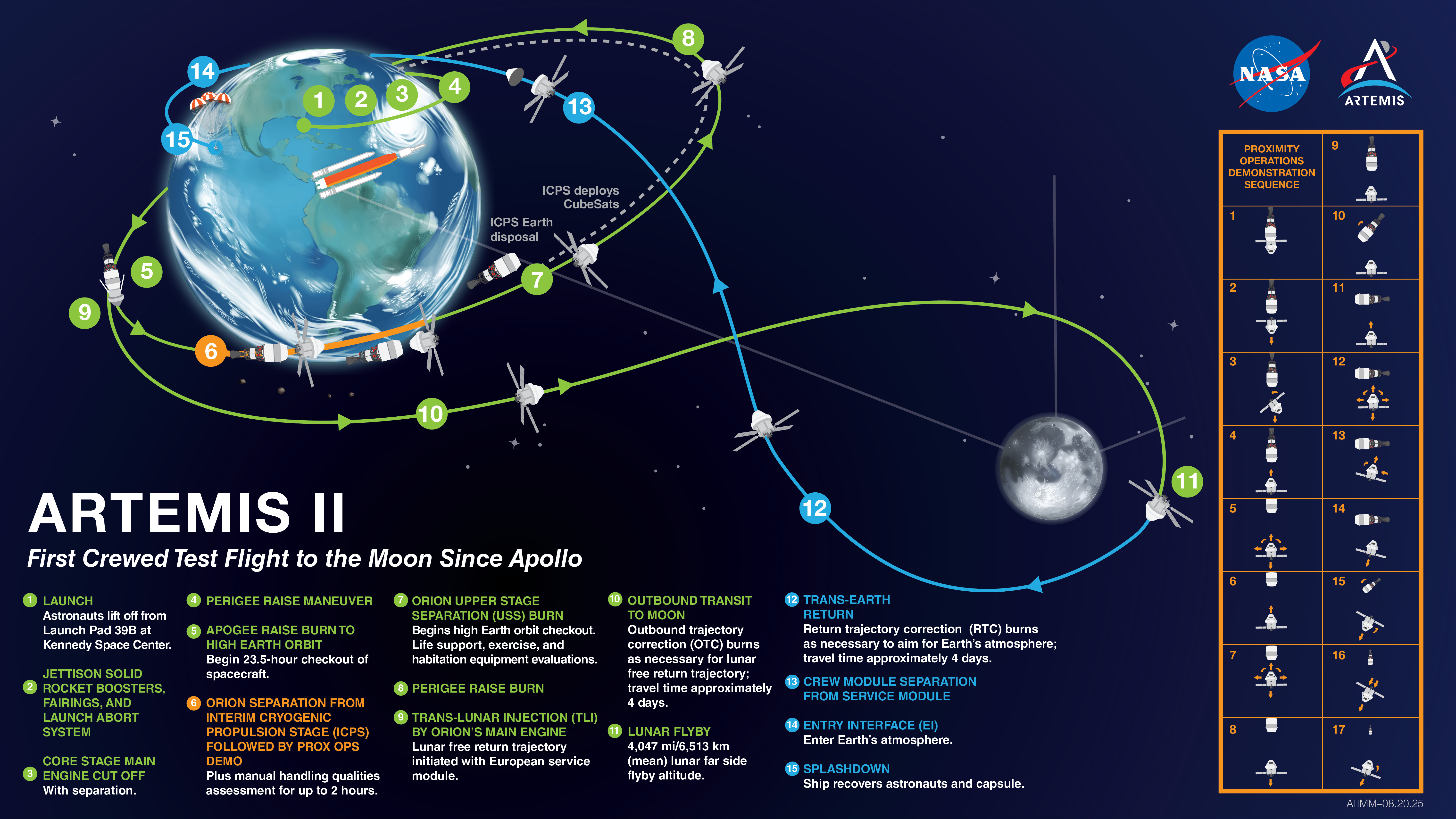
The program’s momentum continues with the Artemis II mission, which is scheduled for its first crewed flight on April 1, 2026. Following the success of Artemis II, the agency will rely on the Starship HLS and Blue Moon vehicles to execute the landing phase of the subsequent missions. The integration of these commercial vehicles is critical for the program’s ability to transport crew and cargo safely to the lunar surface.
The Artemis program, which has seen a total cost of US$93 billion between 2012 and 2025, remains a massive international effort. In addition to NASA, the program involves partners such as the ESA, JAXA, DLR, UKSA, ASI, ISA, MBRSC, and KARI, utilizing a variety of launch vehicles including the Space Launch System, Starship, Falcon Heavy, and Modern Glenn.
