
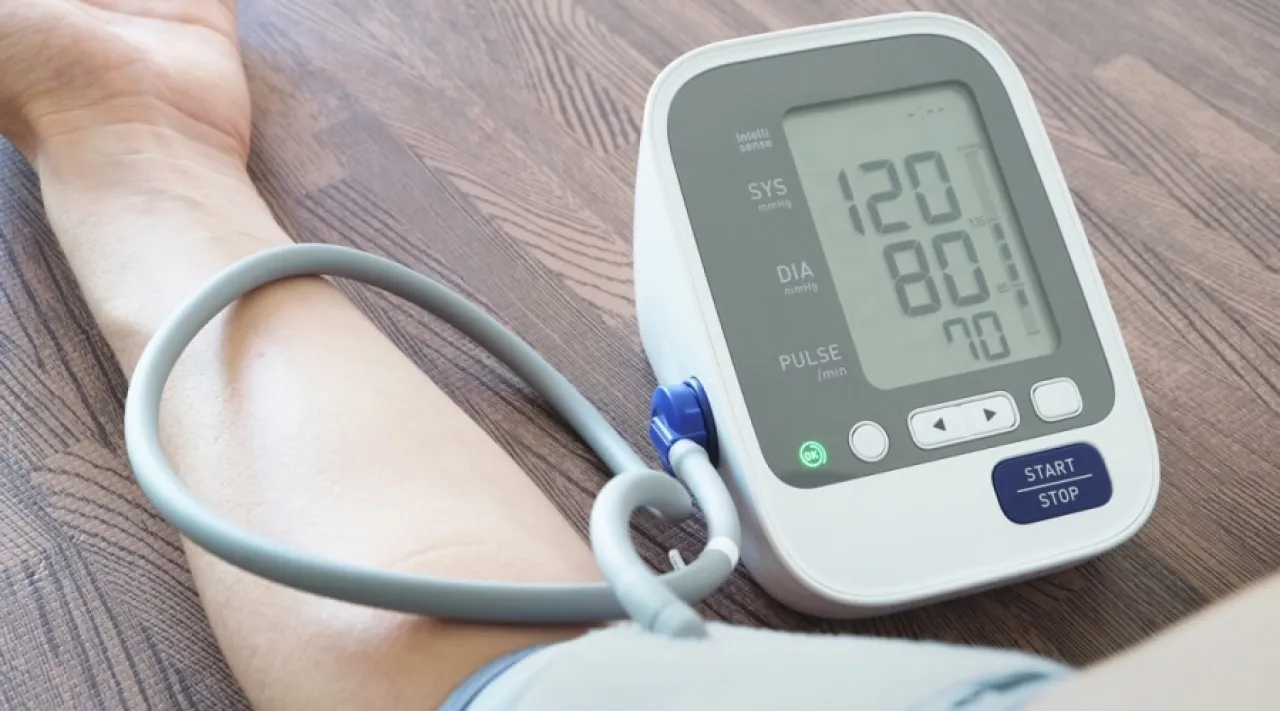
Millions of adults worldwide live with high blood pressure, a major, preventable risk factor for heart disease, stroke, heart failure, kidney disease and even dementia. Recognizing the demand for updated guidance, the American Heart Association and the American College of Cardiology have released new blood pressure guidelines for the first time since 2017, aiming to empower individuals with tools for longer, healthier lives.
Blood pressure categories remain consistent: normal, less than 120/80 mm Hg; elevated, 120–129/80 mm Hg; and high blood pressure, 130/80 mm Hg or higher, according to verywellhealth. The 2025 guidelines focus on six actionable steps to help lower blood pressure.
1. Start Medication Early
Medication can be prescribed for patients when lifestyle changes don’t lower blood pressure within 3–6 months. Research indicates a link between high blood pressure and cognitive decline, making early intervention important. However, doctors continue to emphasize maintaining healthy habits alongside medication.
2. Reduce Salt Intake
Limiting sodium remains crucial. Daily intake should not exceed 2300 mg, with a preference for 1500 mg or less. Most sodium comes from processed foods and restaurants, so checking labels and requesting sauces on the side is advised. Foods rich in potassium, such as bananas, spinach, mushrooms, and watermelon, can help balance sodium levels.
3. Limit or Abstain from Alcohol
The guidelines recommend abstaining from alcohol. If consumed, it should be limited to no more than one drink per day for women and two drinks per day for men. Studies have shown that even small amounts of alcohol can raise blood pressure over time.
4. Manage Stress
Stress is linked to heart disease. The updated recommendations emphasize exercise, yoga, deep breathing, and meditation as effective stress-reduction techniques. At least 75–150 minutes of aerobic exercise per week, plus strength training, is recommended.
5. Lose Weight
Adults who are overweight are advised to lose at least 5% of their body weight. Options include dietary changes, weight-loss medications, or medically supervised surgical intervention.
6. Follow the DASH Diet
The DASH diet, focusing on fruits, vegetables, whole grains, legumes, nuts, seeds, and lean proteins, remains an effective option for controlling blood pressure.
Regularly monitoring blood pressure at home, sharing results with a doctor, and reporting any changes can help refine a treatment plan and promote better heart health. This updated guidance from leading cardiology organizations underscores the importance of proactive health management in preventing and controlling a widespread condition.
