
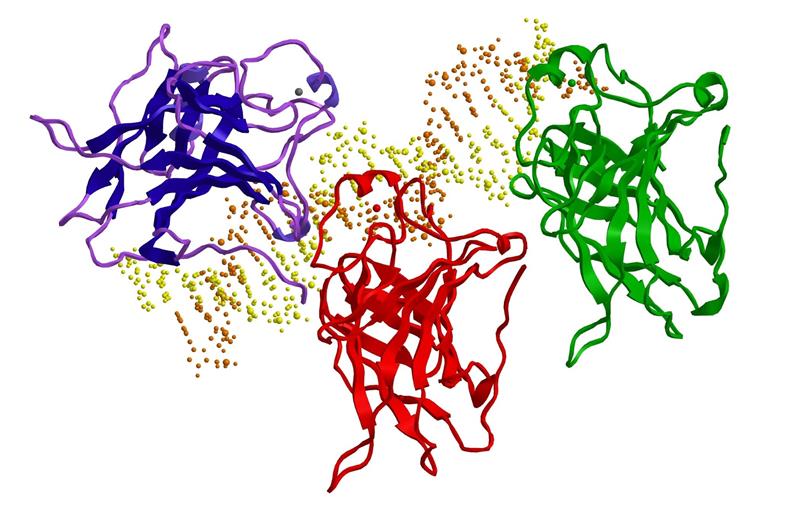
A new drug is showing promise in early trials for its ability to restore function to a critical tumor suppressor gene, often called the “guardian of the genome.” The gene, known as p53, is mutated in approximately 70% of all cancers, making it a significant target for cancer therapies, but developing effective drugs has proven challenging.
Researchers report that the experimental drug, rezatapopt, demonstrated a response – at least a 30% reduction in tumor size – in 20% of patients enrolled in a Phase 1 clinical trial. Here’s particularly encouraging given that the trial included patients with advanced or metastatic cancers who had already undergone other treatments. The findings highlight a potential breakthrough in addressing a widespread genetic factor in cancer development, which could significantly impact treatment options for many patients.
The p53 gene produces a protein that plays a vital role in preventing uncontrolled cell growth. Mutations in the gene disable this protective function, allowing tumors to develop and spread. According to experts, the difficulty in developing p53-targeted drugs stems from the wide variety of mutations that can affect the gene. Rezatapopt, still, is designed to target a specific mutation present in roughly 1% of solid tumors.
The Phase 1 trial, involving 77 patients with various advanced cancers, revealed that the most common side effects were nausea and vomiting. Researchers noted the drug’s potential for broad application across multiple cancer types and its convenient oral administration, potentially allowing for at-home treatment.
“This offers the hope that You can finally have, at least partially, a solution to attack the most important protein in cancer,” researchers said. A larger trial is currently underway to determine if rezatapopt can lead to cancer remission in patients.
