
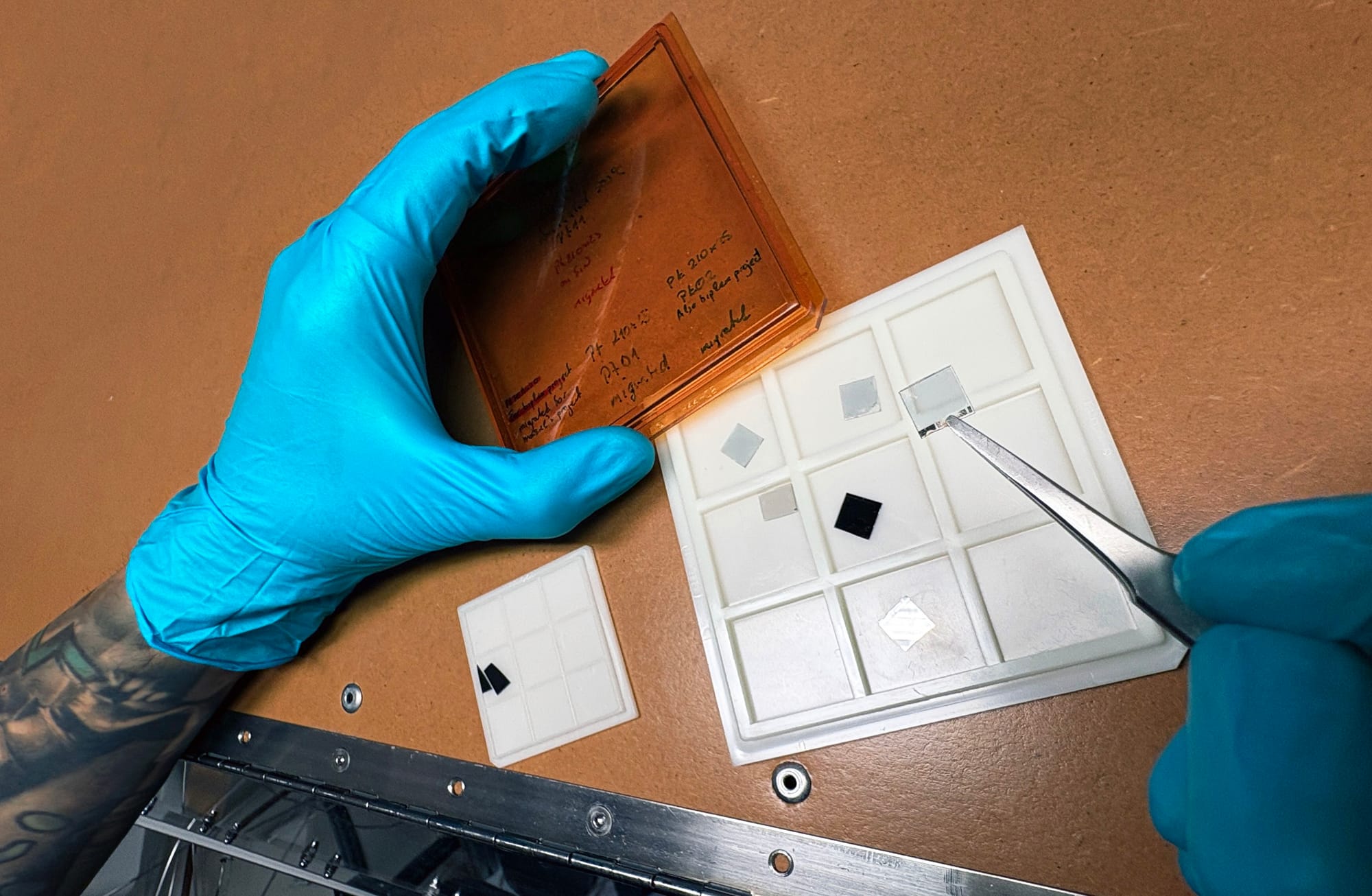
As hydrogen gains prominence as a key component of future energy systems, the demand for robust safety technologies is also increasing. Hydrogen is flammable and can form explosive mixtures with air, making reliable leak detection crucial – particularly in environments with fluctuating humidity levels.
Researchers at Chalmers University of Technology have now unveiled a new type of hydrogen sensor that not only tolerates moisture but actually performs better in humid conditions. This innovation addresses a significant challenge in hydrogen safety, as existing sensors often struggle with accuracy and speed when exposed to humidity.
“A hydrogen sensor’s performance can shift dramatically depending on the environment, and humidity is a key factor,” explains Athanasios Theodoridis, a doctoral candidate at Chalmers. “Many current sensors become slower or less effective in humid environments. When we tested our new sensor concept, we discovered that increasing the humidity actually strengthened the hydrogen response. It took us some time to understand how that was possible.”
Improved Performance in Humidity
Traditional sensors often lose sensitivity in humid environments, a problematic issue given that hydrogen almost always exists alongside moisture. The new sensor utilizes platinum nanoparticles that function as both catalysts and sensors. The technology represents a step forward in creating more dependable safety systems for future hydrogen infrastructure.
When hydrogen reacts with oxygen, heat is generated, causing a thin layer of water on the sensor’s surface to evaporate. By measuring the change in this water layer, the sensor determines the amount of hydrogen present in the air. Higher humidity levels result in a stronger signal, making the technology particularly well-suited for real-world operating conditions.
The sensor’s output is detected through an optical phenomenon where the nanoparticles change color in response to varying hydrogen concentrations. At critical levels, an alarm is triggered.
High Sensitivity
According to the researchers, the sensor can detect hydrogen down to 30 ppm (parts per million), placing it among the most sensitive sensors available for apply in humid environments. It has also undergone long-term testing in humid air, demonstrating stable performance over time.
“We tested the sensor for more than 140 hours of continuous exposure to humid air,” says Theodoridis. “The tests showed that it is very stable at different humidity levels and reliably detects hydrogen under these conditions, which is vital for real-world applications.”
This development arrives as hydrogen is increasingly vital in sectors like transportation, the chemical industry, and green steel production. Simultaneously, there’s a growing require for smaller, more affordable, and robust sensors that can be mass-produced. The ability to accurately monitor hydrogen levels is paramount as the clean energy source scales.
The research team views the new platinum-based technology as a significant step toward more reliable safety systems in future hydrogen facilities. Looking ahead, they anticipate combining different materials to create sensors that perform optimally regardless of the environment.
“We expect to combine different types of active materials to create sensors that perform well regardless of the environment,” says Christoph Langhammer, professor of physics at Chalmers and a founder of the sensor company Insplorion. “We now know that some materials provide speed and sensitivity, while others are more tolerant of moisture. We are now working to apply that knowledge.”
