
Nio Sees Surge in Battery Swapping, Highlights Recycling Advantages
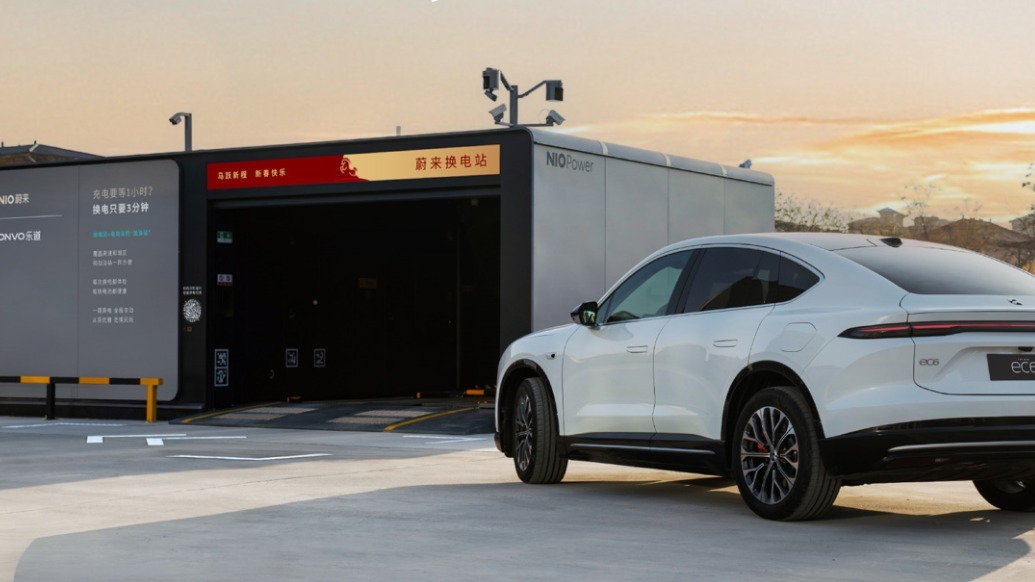
Chinese electric vehicle manufacturer Nio has reported a significant increase in its battery swapping service, with daily volume exceeding 177,000 swaps, averaging less than 0.5 seconds per swap. This surge underscores the growing appeal of battery swapping as an alternative to traditional charging, and the company’s focus on battery lifecycle management. The increasing adoption rate positions Nio as a key player in the evolving EV landscape, particularly regarding sustainable battery practices.
The company’s battery swapping technology allows drivers to exchange depleted batteries for fully charged ones in a matter of minutes, addressing range anxiety and reducing charging times. According to reports, the process can take as little as three minutes, often faster than refueling a gasoline vehicle. This speed and convenience are driving adoption among Nio owners.
Nio’s founder, William Li, has emphasized the benefits of battery swapping, particularly its role in facilitating battery recycling and reuse. What we have is a critical aspect of the electric vehicle ecosystem, as responsible battery management is essential for minimizing environmental impact and reducing costs. The ability to efficiently recycle and repurpose batteries is becoming increasingly important as the number of EVs on the road continues to grow.
Recent data indicates that Nio’s battery swapping service has broken records for five consecutive days, demonstrating consistent growth in demand. This trend suggests that battery swapping is gaining traction as a viable solution for EV owners, particularly in regions where charging infrastructure is limited or access to home charging is challenging. The company’s success with battery swapping could influence other EV manufacturers to explore similar technologies.
The economics of Nio’s battery swapping service are also attracting attention. While the initial cost of swapping may be higher than traditional charging, the convenience and time savings can be significant. The cost of a swap after free allowances is equivalent to the base electricity price plus a service fee, with a 100kWh battery swap costing approximately 200 yuan (USD $28) according to recent analysis. For non-first owners, there are no free swapping allowances, making it crucial for potential buyers of used Nio vehicles to verify the remaining benefits.
Beyond Nio, other automakers are also evaluating the potential of battery swapping. For example, a recent comparison of long-distance highway driving between the Nio and Tesla Model Y highlighted differences in the overall experience, with Nio’s swapping capabilities offering a distinct advantage in terms of convenience and time efficiency.
As Nio continues to expand its battery swapping network and refine its technology, it is poised to play a leading role in shaping the future of electric vehicle infrastructure. The company’s commitment to battery recycling and reuse further solidifies its position as a sustainability-focused innovator in the automotive industry.
