
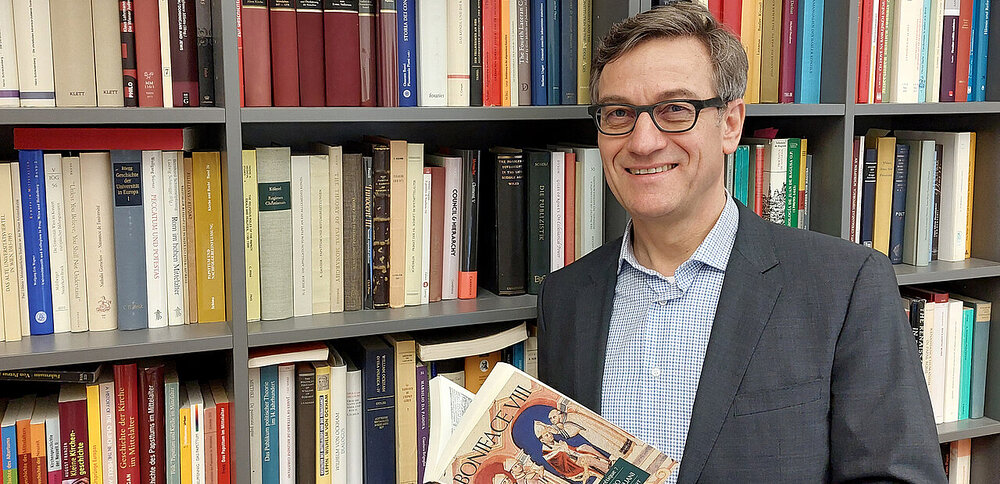
A leading church historian doesn’t foresee another Vatican Council anytime soon, despite ongoing debate within the Catholic Church about the demand for further reform. Professor Thomas Prügl, a church historian based in Vienna, stated, “I do not see a third Vatican Council on the horizon,” in a recent interview with the Viennese church newspaper “Sonntag.” The comments came during a conference of the Society for Conciliar History in Vienna.
Prügl’s assessment stems from a global perspective on the state of the Church. He explained that calls for a new ecumenical council are primarily coming from Europe, where the Church is facing significant structural and cultural challenges. However, this perspective isn’t universally shared. Many African and Latin American countries experience different realities, with growth, evangelization, and societal engagement being key themes. A global council, Prügl argues, requires a shared understanding of problems, which currently doesn’t exist.
The historian also emphasized the continuing relevance of the Second Vatican Council, which took place from 1962 to 1965. He believes the council provided a wealth of theological insights that the Church is still actively interpreting and implementing. “The Church is still busy exploring the texts of Vatican II in their depth and putting them into practice,” Prügl said. He suggested that a more intensive engagement with existing documents is needed rather than pursuing a large-scale new event.
Prügl also highlighted the importance of rediscovering “particular councils” – local synods that have historically played a crucial role in shaping the Church. Alongside the 21 ecumenical councils, countless local synods have been held throughout Christian history. These regional gatherings, often in dioceses or church provinces, were frequently more decisive than the larger, world-wide councils in addressing specific issues.
These regional synods have a long history, predating even the Council of Nicaea in 325 AD. Early synods addressed issues like Trinitarian debates and the determination of the date of Easter, demonstrating that synodal decision-making isn’t a modern invention but is rooted in the early Church’s practices. Prügl noted that even the Acts of the Apostles describes collaborative consultations and collective decision-making, illustrating that synodality is a fundamental aspect of church community.
Prügl specifically drew attention to the Provincial Council of Vienna in 1858. The 19th century is often characterized by “Ultramontanism,” a strong emphasis on papal authority in response to liberal and nationalist movements. However, many countries also saw a revival of provincial councils after a period of inactivity. In Austria, the Concordat of 1855, which redefined the relationship between the state and the Church, was a key factor in this revival. The historian explained that the Archbishop of Vienna, Joseph Othmar von Rauscher, used the new legal framework to strengthen the Church’s position internally.
The 1858 Provincial Council addressed central issues within the Church, particularly regarding marriage law, as the Concordat allowed for civil marriage matters to be handled under canon law. This shift in jurisdiction created tensions with more liberal segments of the population. The council also established regulations concerning the conduct of clergy, sacramental practice, and the observance of Sundays. Many of the council’s texts were directly influenced by Cardinal Rauscher, highlighting the significant influence individual bishops can have on their local churches. Prügl argued this example demonstrates that church development isn’t solely determined in Rome, and that regional levels are often where reforms and pastoral strategies originate.
Considering this historical context, Prügl believes the debate surrounding a third Vatican Council is somewhat diminished. The Church, he contends, already possesses a rich conciliar heritage that is far from fully explored. The challenge, he suggests, lies not in convening a new global council, but in a deeper engagement with existing decrees and a revitalized synodal practice at the local level. The future of the Church, Prügl implies, will be shaped not by grand events, but by the ongoing work within dioceses and church provinces. This perspective underscores the importance of localized church governance and the ongoing process of theological interpretation.
