
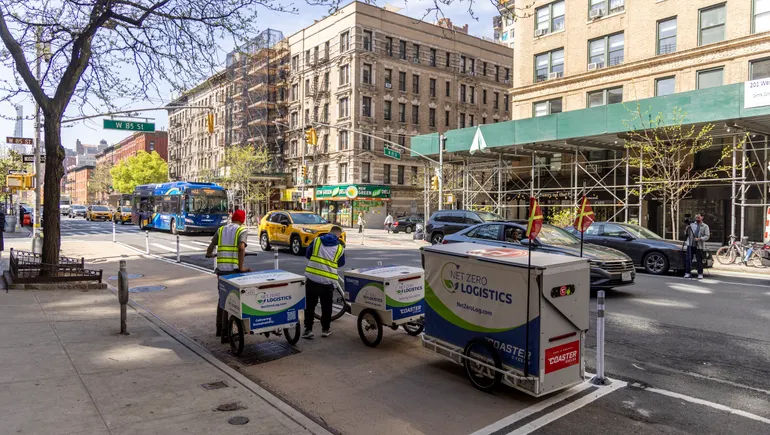
Is yoru city’s last-mile delivery system feeling more like “last-nerve” delivery? As e-commerce booms, urban centers are grappling with increased congestion and pollution, but innovative solutions are on the horizon.This article explores the future of urban deliveries, revealing how microhubs and emerging technologies are paving the way for a greener, more efficient tomorrow.
The Future of Urban Deliveries: Microhubs, Innovation, and a Greener Tomorrow
Table of Contents
The relentless growth of e-commerce is reshaping our cities, and nowhere is this more evident than in the realm of last-mile delivery.Congestion, pollution, and the sheer volume of delivery trucks are becoming major challenges. But there’s a wave of innovation sweeping through urban centers, with microhubs leading the charge toward more lasting and efficient delivery solutions. Let’s dive into the trends shaping the future of urban deliveries.
Microhubs: The Cornerstone of Sustainable Delivery
Microhubs are strategically located facilities designed to streamline the last leg of the delivery process. they act as consolidation points where larger trucks can transfer packages to smaller, more agile vehicles like cargo bikes, electric vans, and even pedestrian couriers. This approach significantly reduces the number of large trucks navigating congested city streets, leading to lower emissions and improved traffic flow.
New York City‘s pilot program, highlighted in the original article, is a prime example.By creating designated spaces for delivery companies, the city aims to cut down on truck trips, reduce double parking, and minimize sidewalk obstructions. This initiative is not just about convenience; it’s a crucial step toward improving air quality and enhancing the overall quality of life for residents.
Did you know? The concept of microhubs isn’t new. Similar models have been successfully implemented in various European cities, demonstrating their effectiveness in reducing urban congestion and emissions.
beyond Microhubs: Emerging Trends in Last-Mile Delivery
Microhubs are just one piece of the puzzle. The future of urban deliveries is being shaped by a confluence of innovative technologies and strategies:
Electric Vehicles (EVs) Take Center Stage
The shift to electric vehicles is accelerating.Electric vans, cargo bikes, and even smaller electric vehicles are becoming increasingly common for last-mile deliveries. This transition is crucial for reducing greenhouse gas emissions and improving air quality in urban areas.Cities are actively supporting this trend by investing in charging infrastructure and offering incentives for businesses to adopt evs.
Pro Tip: Consider the environmental impact when choosing delivery options. Opting for services that utilize electric vehicles or cargo bikes can make a important difference.
Smart Curbs and Optimized Infrastructure
Cities are rethinking how they manage curb space. Smart curb programs, like the one in New York City, allocate space for loading zones, electric vehicle charging, and othre essential services.This optimization helps to reduce congestion and improve the efficiency of deliveries. Data analytics and smart technologies play a key role in managing curb space effectively.
The Rise of Autonomous Delivery
While still in its early stages, autonomous delivery is gaining traction. Companies are experimenting with drones, sidewalk robots, and self-driving vehicles to automate the last mile. These technologies have the potential to revolutionize delivery logistics, but they also raise questions about safety, regulation, and job displacement.
Data-Driven Optimization
Data analytics is transforming delivery operations. Companies are using data to optimize routes, predict demand, and improve delivery efficiency. This data-driven approach helps to reduce fuel consumption, minimize delivery times, and enhance customer satisfaction.
Case Studies and Real-World Examples
- Santa Monica, California: Pioneered the first “zero-emissions delivery zone” in the U.S., showcasing the potential of targeted initiatives to reduce emissions.
- European Cities: Cities like amsterdam and Paris have successfully implemented microhub models,demonstrating their effectiveness in reducing congestion and emissions.
- Walmart: Actively exploring innovative delivery methods, including drones and sidewalk robots, to optimize its last-mile operations.
The Road Ahead: Challenges and Opportunities
The transition to a more sustainable and efficient urban delivery system is not without its challenges. These include the need for infrastructure investment, regulatory hurdles, and the integration of new technologies. However, the opportunities are immense. By embracing innovation and collaboration, cities can create delivery systems that are not only efficient but also environmentally amiable and contribute to a better quality of life for all residents.
Reader Question: What innovative delivery solutions do you think will have the biggest impact on urban areas in the next five years? Share your thoughts in the comments below!
